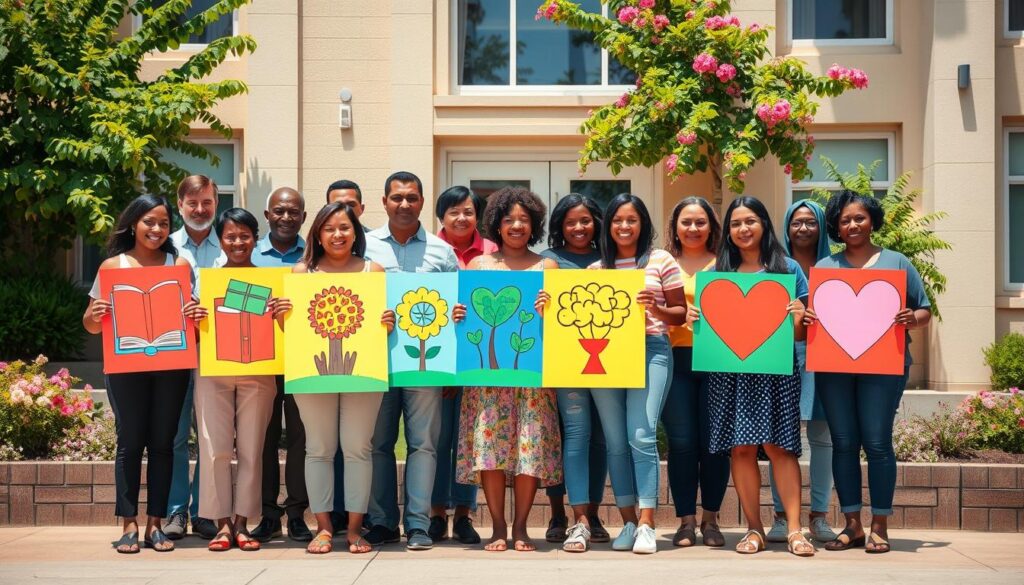
Parents need to grasp the history of sexual health programs. This knowledge helps shape school curricula. Sexual education has evolved, mirroring changes in society and public health priorities1.
Your involvement can greatly impact student learning. It also affects community awareness. Parents are key to ensuring comprehensive sexual education.
A whopping 96% of parents back sex education in high schools1. This shows wide recognition of its importance. Your academic background can help advocate for evidence-based instruction.
Comprehensive sexual education covers more than just biology. It includes healthy relationships, personal safety, and diverse identities2. Your engagement can create safer, more inclusive learning spaces.
These efforts support students’ physical and emotional well-being. They help build a more informed and healthy community.
Key Takeaways
- Parents are critical stakeholders in sexual education policy
- Comprehensive education supports student health and safety
- Advocacy requires understanding educational history
- Broad community support exists for sexual health programs
- Evidence-based approaches yield the best outcomes
Understanding the Importance of Sexual Education
Sexual education is vital for students’ learning and school success. It helps young people navigate complex personal experiences. This knowledge is crucial for understanding sexuality and relationships.
Comprehensive sexual education teaches students about their bodies and personal health. Well-designed programs offer significant benefits for teens’ growth.
Research shows these programs3:
- Delay onset of sexual activity
- Promote safer sexual practices
- Develop respectful relationships
- Understand personal boundaries
Benefits of Comprehensive Sexual Education
Effective sexual education programs give young people critical life skills. Knowledge is protection. They teach about consent, healthy relationships, and personal safety.
These programs help reduce potential risks4:
- 25% of girls and 8% of boys have experienced sexual abuse
- 1 in 11 female students report physical dating violence
- Cases of sexually transmitted infections are rising among youth
Addressing Common Misconceptions
“Education is the most powerful weapon which you can use to change the world.” – Nelson Mandela
Some parents fear sexual education might encourage sexual activity. Research shows the opposite is true. Comprehensive programs help teens make informed, responsible choices3.
About 53% of females and 54% of males have received basic sexual education5. This leaves many young people without crucial information.
Sexual Education and Public Health
Sexual education is a key public health strategy. It provides accurate information to prevent health risks. This knowledge supports students’ emotional and physical well-being.
Understanding personal health leads to better educational achievements. It also improves overall school performance.
The Role of Parents in Education Policy
Parental involvement is vital for a student’s academic success. Your engagement can shape educational achievements and drive school progress. Understanding how to influence curriculum and interact with schools is crucial for supporting your child’s learning.
Parents are key players in education policy. Your voice matters with 50 million students in U.S. public schools. Schools shape future leaders and professionals6.
How Parental Involvement Shapes Curriculum
Your involvement directly impacts educational outcomes. Parents’ expectations greatly influence academic achievement7.
Family factors like parents’ education and teaching methods affect children’s learning potential7.
- Attend school board meetings
- Review curriculum materials
- Participate in parent-teacher conferences
- Join school committees
Engaging with School Boards and Administrators
Clear communication is key when working with school administrators. Collaborative efforts between schools and parents create better educational experiences7.
Structured parent activities and workshops can boost your impact on school policies7.
“Parents are a child’s first and most important teachers.” – Educational Experts
Your active role helps shape educational policies for diverse student needs. By knowing your rights and engaging positively, you become a strong advocate for your child’s education6.
Building a Support Network
Creating a strong support network is key for parents advocating for better sexual education. It helps reduce stress and boosts your efforts. By joining forces with others, you’ll form a powerful group for change.
Teaming up with like-minded parents and organizations can make a big difference. Your combined voices will have a greater impact on improving sexual education in schools8.
Connecting with Like-Minded Parents
Start building your network close to home. Here are some ways to connect:
- Join local parent groups focused on education history
- Attend school board meetings
- Create online forums for discussion
- Share experiences and resources
Utilizing Local and National Organizations
Several groups can help parents advocate for better sexual education:
- SIECUS (Sexuality Information and Education Council of the United States)
- Planned Parenthood
- National Coalition for Sexual Health
“The strength of your advocacy lies in your network’s collective voice.” – Sexual Health Education Advocate
Working with academic support networks can boost your impact9. These networks include parents, teachers, and experts who want better sexual education.
Building a support network is about making strong connections. Your passion for education can inspire others to join your cause8.
Researching Your School’s Curriculum
Understanding your school’s sexual education program is crucial for supporting your child’s learning. Parents play a vital role in evaluating the curriculum and identifying potential gaps. This evaluation can help improve school performance.
When investigating your school’s sexual education approach, consider the following key steps:
- Request a complete copy of the current curriculum
- Review the comprehensive content and teaching methods
- Assess the alignment with age-appropriate learning goals
- Identify potential knowledge gaps
Reviewing Existing Sexual Education Programs
Schools use different sexual education models. Some focus on abstinence-only approaches. Others provide comprehensive education covering multiple aspects of sexual health10.
By examining the curriculum design, you can understand the teaching approach. This insight helps gauge its potential impact on student learning10.
“Knowledge is power, especially when it comes to understanding educational content.”
Identifying Curriculum Deficiencies
To effectively evaluate the sexual education program, consider these critical aspects:
- Comprehensiveness of topics covered
- Age-appropriate content delivery
- Scientific accuracy of information
- Inclusion of diverse perspectives
Research shows that structured curricula can greatly improve student outcomes11. Some schools have seen better performance through well-designed educational approaches11.
Understanding your school’s current program enables you to advocate for effective sexual education12. This knowledge empowers you to support your child’s learning journey.
Proactive research empowers parents to support their children’s educational journey.
Effective Communication with Educators
Your child’s academic success hinges on good communication with teachers and administrators. Strong relationships with educators can boost your child’s achievements and progress.
Communication skills are easy to develop with practice. The key is knowing how to approach conversations positively.
Approaching Teachers with Confidence
Consider these key strategies when talking to educators:
- Practice active listening techniques13
- Demonstrate empathy during discussions13
- Use both verbal and non-verbal communication methods13
- Prioritize information sharing to develop mutual understanding13
Strategies for Clear Dialogue
Good communication in education goes beyond just talking. At King’s Schools, engaged parents see big improvements in student results.
Regular parent-teacher meetings and online platforms can create a supportive learning environment. These tools help build a strong foundation for your child’s education.
“Communication works for those who work at it.” – John Powell
Aim to create a partnership that supports your child’s growth. Approach talks with openness, respect, and a shared goal of student success.
Organizing Community Events
Community events are vital for advancing sexual education and health awareness. Your educational background can help develop engaging strategies for comprehensive sexual education14.
Effective events bridge gaps in sexual health knowledge. They provide critical information to participants. Parents and leaders can work together to create impactful educational experiences14.
Hosting Informational Sessions
When organizing informational sessions, consider these key strategies:
- Invite local health professionals as expert speakers
- Create interactive presentations that encourage dialogue
- Provide resources for further learning
- Ensure inclusive and age-appropriate content
Collaborating with Health Professionals
Partnering with healthcare experts boosts event quality and credibility. These professionals can provide:
- Accurate medical information
- Evidence-based educational materials
- Insights into current health trends
“Education is the most powerful weapon which you can use to change the world.” – Nelson Mandela
Organizing community events can greatly impact sexual education awareness. Research shows community groups have improved access to vital information14.
Your education and passion can create powerful community events. These events can empower individuals and promote healthy understanding14.
Advocating for Policy Change
Strategic planning and persistence are key to transforming sexual education policies. Your advocacy can significantly impact student learning and school performance in your community15.
Parents have a crucial role in shaping educational milestones through policy engagement. Understanding local education policies is vital for creating meaningful change16.
Understanding Local Education Policies
Navigating school board policies requires careful research and strategy. You’ll need to:
- Review current sexual education curriculum
- Identify potential gaps in existing programs
- Understand legal frameworks governing education
Strategies to Influence School Policy
Effective policy advocacy involves multiple approaches:
- Attend school board meetings regularly
- Build relationships with key decision-makers15
- Develop clear, evidence-based arguments
“Effective communication is essential for persuading decision-makers”15.
Your advocacy journey requires persistence and smart networking. Understanding local dynamics is crucial for driving meaningful educational reforms17.
Building collaborative relationships can help you achieve your advocacy goals. This approach increases your chances of success in educational policy changes.
| Advocacy Strategy | Impact Level |
|---|---|
| School Board Engagement | High |
| Community Petitions | Medium |
| Legislative Communication | High |
Remember, sustainable change happens through consistent, informed, and collaborative efforts.
Utilizing Social Media for Advocacy
Social media has revolutionized parental advocacy for sexual education. It provides powerful platforms to share vital information about students’ academic journeys. Digital advocacy offers unique chances to spread awareness and engage communities.
Your social media strategy can greatly impact educational progress. Twitter’s 280-character limit allows for quick, impactful messages18. Visual content is crucial, as posts with images can boost engagement rates significantly18.
Amplifying Your Message Online
Effective online advocacy requires platform-specific strategies:
- Use targeted hashtags to increase visibility
- Create visually compelling content
- Share accurate, research-backed information
- Engage with like-minded communities
Creating Awareness Through Campaigns
Successful social media campaigns need authenticity and consistent messaging. Instagram and TikTok are powerful tools for spreading awareness about crucial social issues19.
Share personal stories, educational resources, and compelling visuals. These can turn digital platforms into effective educational tools.
“Social media is not just about sharing—it’s about connecting and educating.”
Your online advocacy can bridge knowledge gaps. It promotes comprehensive sexual education for future generations.
Navigating Opposition to Sexual Education
Sexual education advocacy faces challenges from community members with different views. Strategic communication and empathy are key to addressing resistance20.
Parents championing comprehensive sexual education must be ready for complex social dynamics. Your academic background lends credibility when discussing sensitive topics.
Consider reviewing comprehensive sex education approaches for more insights21.
Understanding Parental Resistance
Resistance to sexual education often comes from deep-rooted misconceptions. Key challenges include:
- Fear of promoting early sexual activity
- Religious or cultural reservations
- Discomfort discussing intimate topics
Strategies for Addressing Opposition
Effective advocacy relies on clear, evidence-based information. Try these approaches:
- Share statistical data about teen sexual health20
- Highlight public health benefits
- Emphasize age-appropriate educational content
“Knowledge is power, especially when it comes to sexual health education.”
Your involvement can greatly impact how communities view comprehensive sexual education21.
| Advocacy Approach | Potential Impact |
|---|---|
| Transparent Communication | Builds Trust |
| Data-Driven Presentations | Challenges Misconceptions |
| Community Collaboration | Creates Supportive Networks |
Successful advocacy requires listening to diverse views. Stay committed to comprehensive, factual sexual education while understanding others’ perspectives20.
Sustaining Advocacy Efforts Over Time
Advocating for comprehensive sexual education is a long-term commitment. It requires patience and smart planning to reach meaningful goals. Change often comes in small steps, so stay focused and ready to adapt22.
Successful advocacy means knowing about school performance and politics. Policymakers have short attention spans. Keep sexual education issues visible through regular talks and updates22.
Plan for the long haul with your team. Share a common vision to keep momentum going. This approach is key to making lasting changes22.
Be prepared for ups and downs in your advocacy work. Interest and funding may drop at times. Stay alert and flexible to protect your progress22.
Build a support system within your group. This prevents burnout and keeps everyone working together. It’s crucial for ongoing educational reform efforts23.
Advocacy never stops. Set clear goals and pace your activities. Maintain strong ties with educators and community members. This strategy can lead to lasting changes in sexual education policy2223.
FAQ
What is comprehensive sexual education?
Comprehensive sexual education offers accurate, age-appropriate info about sex and relationships. It covers topics like contraception, consent, and sexual health. This approach empowers youth with a holistic understanding of sexuality.
How can parents get involved in sexual education policy?
Attend school board meetings and connect with organizations like SIECUS. Research your school’s current curriculum and talk with educators. Organize community info sessions to raise awareness.
Engage directly with school administrators to influence sexual education policies. Building supportive networks is key to making a difference.
What are the different approaches to sexual education?
Sexual education approaches range from abstinence-only to comprehensive models. Abstinence-only education promotes refraining from sexual activity outside marriage. Comprehensive sex education covers a wider range of topics.
These include contraception, sexual health, consent, gender identity, and relationship dynamics. It provides a more well-rounded understanding of sexuality.
Why is sexual education important for public health?
Sexual education helps reduce teen pregnancy rates and lower STI transmission. It promotes understanding of consent and healthy relationships. This knowledge empowers young people to make informed decisions about their sexual health.
How has sexual education evolved in the United States?
Sexual education in America has changed a lot since the 1800s. Early efforts focused on religious warnings and health concerns. World War I brought government-funded sex education for soldiers.
The 1960s sexual revolution and 1980s AIDS crisis were major turning points. These events strengthened support for comprehensive sexual education programs.
What challenges do parents face when advocating for comprehensive sexual education?
Parents may face resistance from conservative groups and religious organizations. They must navigate differing cultural and moral perspectives. Addressing misconceptions about sex education promoting promiscuity is another hurdle.
Building consensus around age-appropriate, scientifically accurate curriculum can be challenging. It requires patience and effective communication.
How can social media be used to support sexual education advocacy?
Social media helps share accurate info and create awareness campaigns. It connects like-minded parents and organizations. Use these platforms to amplify your message and share resources.
You can counter misinformation about sexual education on social media. It’s a great tool for building supportive community networks.
What resources are available for parents interested in sexual education advocacy?
Organizations like SIECUS and Advocates for Youth offer resources and support. The National Sexual Health Association is another helpful group. They provide curriculum guides and advocacy toolkits.
These organizations offer training and networking opportunities. They help you become an effective advocate for comprehensive sexual education.
Source Links
- Sex Education Is Essential (Sex Ed for All Talking Points) – https://www.healthyteennetwork.org/news/sex-education-is-essential/
- Sexuality Education – Advocates for Youth – https://www.advocatesforyouth.org/resources/fact-sheets/sexuality-education-2/
- Comprehensive sexuality education – https://www.who.int/news-room/questions-and-answers/item/comprehensive-sexuality-education
- The Importance of Access to Comprehensive Sex Education – https://www.aap.org/en/patient-care/adolescent-sexual-health/equitable-access-to-sexual-and-reproductive-health-care-for-all-youth/the-importance-of-access-to-comprehensive-sex-education/?srsltid=AfmBOoq4haeEcWXBJrokeSqAyzEVVwCcyEroDCenigxduBNWnrJLl3lQ
- US Adolescents’ Receipt of Formal Sex Education – https://www.guttmacher.org/fact-sheet/adolescents-teens-receipt-sex-education-united-states
- Parental Rights or Politics? – https://www.gse.harvard.edu/ideas/edcast/23/02/parental-rights-or-politics
- The Role of Parents in the Education of Their Children – https://aithor.com/essay-examples/the-role-of-parents-in-the-education-of-their-children
- Developing Your Support System – https://socialwork.buffalo.edu/resources/self-care-starter-kit/additional-self-care-resources/developing-your-support-system.html
- Support Networks: The Key to Your Success as an Adult Learner – https://online.champlain.edu/blog/support-networks-key-your-success-adult-learner
- Adopting, Launching, and Implementing Investigating History – https://www.doe.mass.edu/investigatinghistory/implement.html
- Using a Curriculum Rich in Arts, History, and Science Led to Big Reading Improvements – https://www.edweek.org/teaching-learning/using-a-curriculum-rich-in-arts-history-and-science-led-to-big-reading-improvements/2023/04
- Research Handbook on Curriculum and Education – https://www.e-elgar.com/shop/usd/research-handbook-on-curriculum-and-education-9781802208535.html?srsltid=AfmBOoqXMhN0okxmWMzc8uMhnlIhBqKR5S2wNnHQJbzp7AUCNHl04p4f
- Communication skills for educators – Be You – https://beyou.edu.au/resources/fact-sheets/communication-and-relationships/communication-skills-for-educators
- PDF – https://files.eric.ed.gov/fulltext/ED528709.pdf
- What are effective strategies for advocating policy changes that benefit students? – https://www.linkedin.com/advice/3/what-effective-strategies-advocating-policy-changes-benefit-3ifze
- Advocating for Honest History Education: A Resource for Parents and Caregivers – https://www.learningforjustice.org/magazine/advocating-for-honest-history-education-a-resource-for-parents-and-caregivers
- My Advocacy Journey: The Power of Early Educators to Change Policy – Center for the Study of Child Care Employment – https://cscce.berkeley.edu/blog/my-advocacy-journey-the-power-of-early-educators-to-change-policy/
- Social Media Advocacy – https://www.acteonline.org/advocacy/advocacy-resources/social-media-advocacy/
- Social media transformation leads to advocacy – https://thehowleronline.org/1992/ae/social-media-transformation-leads-to-advocacy/
- Campaigns to Undermine Sexuality Education in the Public Schools | American Civil Liberties Union – https://www.aclu.org/documents/campaigns-undermine-sexuality-education-public-schools
- The State of Sex Education in the United States – https://pmc.ncbi.nlm.nih.gov/articles/PMC5426905/
- Chapter 33. Conducting a Direct Action Campaign | Section 20. Advocacy Over and For the Long Term | Main Section – https://ctb.ku.edu/en/table-of-contents/advocacy/direct-action/long-term-advocacy/main
- 5 Ways to Sustain Educational Justice Advocacy (Opinion) – https://www.edweek.org/leadership/opinion-5-ways-to-sustain-educational-justice-advocacy/2022/09