
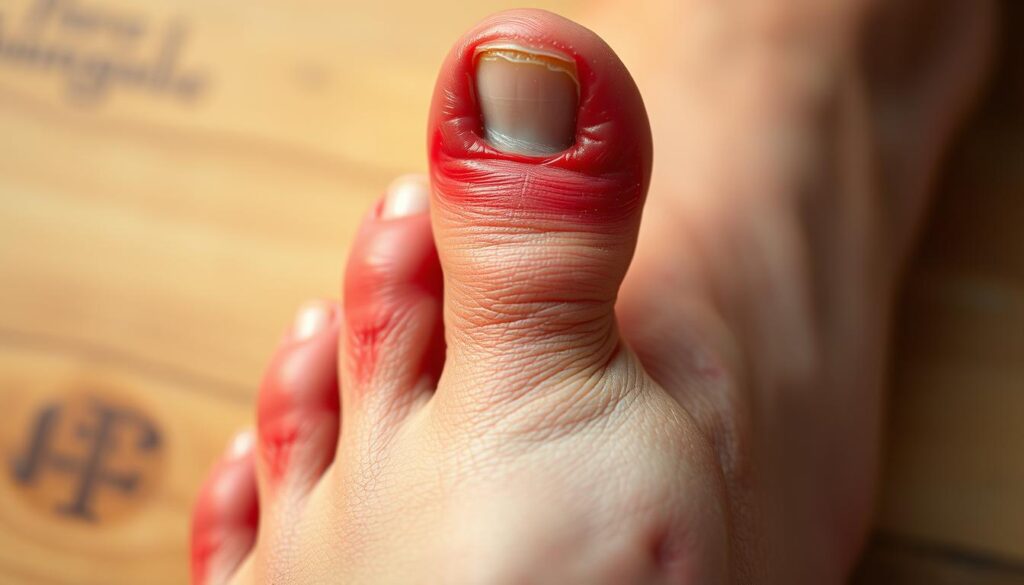
Gout, a complex form of arthritis, impacts lives dramatically. It’s the most common inflammatory arthritis, affecting nearly 1 million Canadians1. Uric acid plays a crucial role in this painful condition.
High uric acid levels in your bloodstream can lead to crystal formation. These crystals develop in joints and soft tissues when levels exceed 400 µmol/l1. Genetics heavily influence how efficiently your body processes uric acid1.
Gout typically affects people between 30 and 50 years old. Women face higher risks after menopause2. Diet, family history, and lifestyle choices can trigger gout attacks2.
Knowing your risk factors is essential. Purine-rich foods and obesity can increase your chances of gout2. Certain medications may also raise your risk.
Advanced gout often shows as white chalk-like bumps called tophi. These are usually found near ears and hand tendons1.
Key Takeaways
- Gout is a prevalent inflammatory arthritis affecting millions
- Uric acid crystal formation triggers painful joint inflammation
- Genetics play a significant role in gout susceptibility
- Age and lifestyle significantly impact gout risk
- Early recognition and management are crucial for preventing recurring attacks
What is Gout and How Does It Develop?
Gout is a type of inflammatory arthritis that causes severe joint pain. It develops when uric acid builds up in the body, affecting various metabolic processes3.
Understanding Uric Acid and Its Role
Uric acid is a waste product created when the body breaks down purines. Usually, it dissolves in blood and leaves through urine. However, when this balance is disrupted, problems can arise4.
Most gout cases occur when the body can’t remove enough uric acid. A small percentage involves overproduction of uric acid. Genetics also play a big role in uric acid metabolism.
- Over 90% of gout cases result from the body’s inability to excrete enough uric acid4
- About 10% of cases involve overproduction of uric acid
- Genetic factors play a significant role in uric acid metabolism
The Process of Crystal Formation
High uric acid levels can cause sharp crystals to form in joints. These crystals trigger inflammation, leading to intense pain and swelling3. Left untreated, this process can cause serious joint problems.
“Understanding crystal formation is key to managing gout effectively”
Risk Factors for Developing Gout
Several factors can increase your chances of getting gout5:
- Age (most common between 40-60 years)
- Gender (more prevalent in men)
- Obesity
- High blood pressure
- Excessive alcohol consumption
- Diet high in purines
Gout affects nearly 4 percent of adults in the United States. Its prevalence is rising due to lifestyle and dietary changes5.
Knowing these risk factors can help you take steps to manage your health. You might even prevent gout attacks by making informed choices.
Recognizing Gout Symptoms
Gout is a painful type of inflammatory arthritis that can hit without warning. Knowing the signs helps you spot and handle this tough condition. Some people are more likely to get these painful joint attacks.
Common Signs of Gout
Gout symptoms often show up as intense joint pain that comes on fast6. Here are the main signs you might see:
- Extreme pain in specific joints, especially the big toe6
- Significant joint swelling and inflammation
- Redness and tenderness in affected areas
- Reduced range of motion in the impacted joint6
Understanding Gout Attacks
Gout attacks can be mild or severe. Men are three times more likely to have these painful episodes7.
The attacks usually get worse for up to 24 hours. Then they slowly get better7.
| Gout Attack Characteristics | Details |
|---|---|
| Typical Onset | Sudden, often at night |
| Most Affected Joints | Big toe, ankle, knee, wrist, fingers |
| Pain Intensity | Extremely painful, can be excruciating |
When to Seek Medical Help
Call your doctor right away if you have:
- Sudden, intense joint pain
- Fever accompanying joint inflammation
- Prolonged joint discomfort
- Signs of potential joint damage
“Early recognition and treatment of gout can prevent long-term joint complications and improve your quality of life.”
Untreated gout can cause more frequent and worse attacks7. Knowing these symptoms helps you take action to manage your condition well.
Exploring Treatment Options for Gout
Gout management combines medical interventions and lifestyle changes. The goal is to reduce pain and prevent future attacks. This approach helps maintain overall joint health8.
Lifestyle Changes for Gout Management
Effective gout treatment begins with lifestyle adjustments. Key changes can make a big difference.
- Maintain a healthy body weight
- Limit high-purine foods
- Reduce alcohol consumption
- Stay hydrated
- Exercise regularly9
Medications for Gout Treatment
Gout treatment involves two main medication strategies. These focus on managing acute attacks and preventing long-term issues8.
Anti-Inflammatory Medications
During a gout attack, your doctor might prescribe certain medications. These can help reduce inflammation and pain.
- NSAIDs (ibuprofen, naproxen)
- Colchicine
- Corticosteroids9
Uric Acid-Lowering Drugs
To prevent future gout problems, doctors may suggest specific medications. These drugs help control uric acid levels.
- Allopurinol
- Febuxostat
- Pegloticase9
The goal is to maintain uric acid levels below 6 milligrams per deciliter9.
Alternative Remedies
Some patients find relief through alternative treatments. Always talk to your doctor before trying these options.
- Herbal supplements
- Dietary modifications
- Stress management techniques9
Remember, comprehensive gout treatment is a personalized journey that requires medical guidance and your active participation.
Preventing Future Gout Attacks
Gout affects over 8 million Americans, making prevention crucial. Managing gout requires a holistic approach to lifestyle and diet. Your strategy starts with understanding how food choices impact uric acid levels.
Weight management is vital for gout prevention. Shedding just 5-10 pounds can lower your risk of attacks. A gout-friendly diet reduces high-purine foods and embraces healthier options.
Limit red meat, organ meats, and certain seafoods. Instead, increase your intake of cherries, skim milk, whole grains, and nuts10. These low-purine foods can help manage gout symptoms.
Hydration plays a key role in preventing gout. Drink 8-16 cups of fluid daily, with at least half being water. This helps flush out excess uric acid10.
Be mindful of alcohol consumption. Men should have two drinks or less, while women should limit to one11. These lifestyle changes can significantly reduce your risk of future gout attacks.
FAQ
What exactly is gout?
Gout is a type of arthritis that causes sudden, severe joint pain. It happens when urate crystals build up in joints. Usually, it affects the big toe, but can also impact ankles, knees, and wrists.
What causes uric acid buildup in the body?
Uric acid builds up when your body breaks down purines found in food and your body. Normally, it dissolves in blood and passes through urine. But when there’s too much, crystals can form in joints.
Who is most at risk for developing gout?
Risk factors include a diet high in red meat and shellfish. Excessive alcohol, being overweight, and certain medical conditions also increase risk. Family history, age, and recent surgery or trauma can play a role too.
What are the typical symptoms of a gout attack?
Gout attacks often happen suddenly, usually at night. They cause intense joint pain, typically in the big toe. Symptoms include inflammation, redness, and limited range of motion.
How is gout treated?
Treatment involves lifestyle changes and medications. This includes weight loss and following a Mediterranean diet. Doctors may prescribe NSAIDs, colchicine, or corticosteroids to manage pain and inflammation.
Can gout be prevented?
Yes, you can prevent gout attacks by making smart food choices. Stay hydrated, maintain a healthy weight, and avoid trigger foods. The Mediterranean or DASH diet can help reduce uric acid levels.
When should I see a doctor about gout?
Seek medical help if you have sudden, intense joint pain. This is especially important if you also have a fever. Early treatment can prevent worse pain and potential joint damage.
Are there long-term complications of gout?
Untreated gout can lead to recurrent attacks and joint damage. It may cause tophi formation and increase the risk of kidney stones. Regular check-ups are key for managing the condition.
Can diet really impact gout?
Yes, diet plays a big role in gout management. Cut back on high-purine foods like red meat and organ meats. Also, reduce sugary drinks and alcohol to control uric acid levels.
Are there any natural remedies for gout?
Some herbal supplements and dietary changes may help, but results vary. Always talk to your doctor before trying new remedies. Staying hydrated and maintaining a healthy weight are reliable natural approaches.
Source Links
- Gout – Symptoms, Causes & Treatments – https://arthritis.ca/about-arthritis/arthritis-types-(a-z)/types/gout
- Understanding Gout Causes and Treatment Options – https://www.optimumpodiatryga.com/blog/gout-causes-gout-treatment-podiatrist-powder-springs.cfm
- Gout | Gouty Arthritis | MedlinePlus – https://medlineplus.gov/gout.html
- Gout/Gouty Arthritis In Depth: Risk Factors, Treatment | HSS – https://www.hss.edu/conditions_gout-risk-factors-diagnosis-treatment.asp
- Patient education: Gout (Beyond the Basics) – https://www.uptodate.com/contents/gout-beyond-the-basics/print
- Recognizing and Treating Early Symptoms of Gout – https://www.healthline.com/health/gout/early-stage-gout-symptoms
- No title found – https://www.arthritis.org/diseases/gout
- Gout – Diagnosis and treatment – https://www.mayoclinic.org/diseases-conditions/gout/diagnosis-treatment/drc-20372903
- No title found – https://www.arthritis.org/health-wellness/treatment/treatment-plan/disease-management/treatments-for-gout
- How to Prevent Gout and Future Flares – https://www.healthline.com/health/gout/gout-prevention
- 4 ways to reduce your risk of gout attacks – https://www.piedmont.org/living-real-change/4-ways-to-reduce-your-risk-of-gout-attacks

