
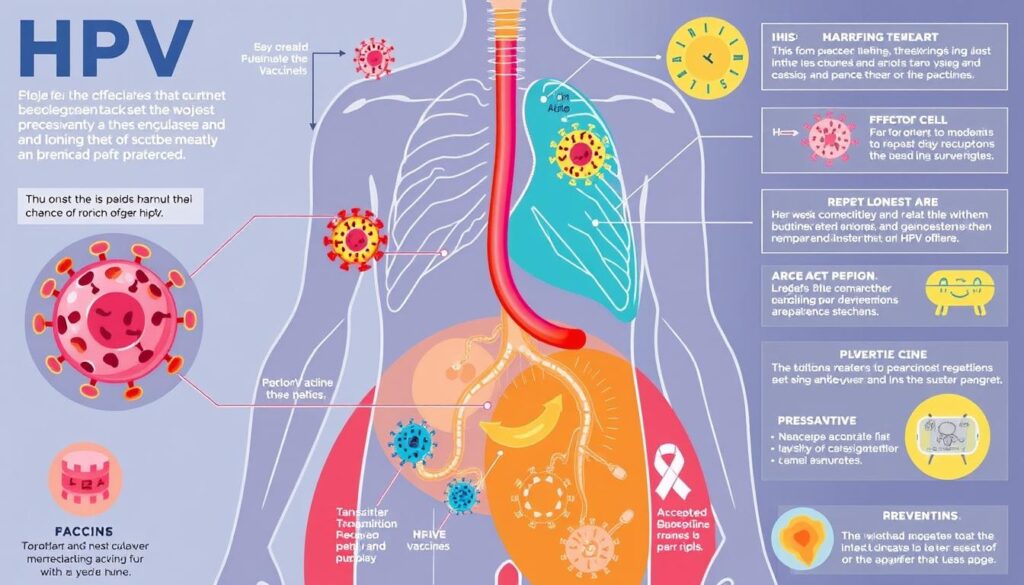
HPV infection is a widespread viral condition affecting millions worldwide. It’s crucial to understand this virus for protecting your sexual health. HPV is linked to nearly all cervical cancers, making awareness and prevention vital1.
The HPV virus is incredibly common among sexually active individuals2. Most HPV infections clear up naturally within two years without causing major health problems. However, some strains can lead to genital warts and various cancers2.
Prevention is key in managing HPV infection. The CDC recommends vaccination for girls and boys around ages 11 and 121. Gardasil 9, approved for ages 9 to 45, protects against cervical cancer and genital warts1.
Key Takeaways
- HPV is the most common sexually transmitted infection
- Most HPV infections clear up without health complications
- Vaccination is crucial for preventing serious HPV-related diseases
- Regular screenings can detect potential HPV-related health risks
- Different HPV strains have varying potential health impacts
What is HPV Infection and How Does it Occur?
HPV is a common viral infection affecting millions worldwide. Up to 90% of people will encounter this virus in their lifetime3. Knowing about HPV helps protect your sexual health.
Defining HPV: A Comprehensive Overview
HPV isn’t just one virus. It’s a group of over 200 different types4. About 40 types can infect the genital area, making it a major health concern4.
HPV Transmission Methods
HPV spreads through close skin-to-skin contact. Sexual activities are the most common way it’s passed on4. The virus can spread even without visible symptoms or full penetration4.
- Sexual contact remains the primary HPV transmission method
- Skin-to-skin genital contact can spread the virus
- Transmission possible even without visible warts
Common HPV Myths Debunked
“Knowledge is the best protection against HPV transmission.”
Many myths exist about HPV. It affects people of all genders, not just women. Condoms help reduce risk but can’t fully prevent transmission4.
| HPV Type | Risk Level | Potential Consequences |
|---|---|---|
| Types 6 and 11 | Low-risk | Genital warts |
| Types 16 and 18 | High-risk | Potential cancer development |
Learning about HPV can lower your infection risk3. Regular check-ups and HPV tests are key for sexual health4. Stay informed to protect yourself and others.
Signs and Symptoms of HPV Infection
HPV symptoms can be tricky to spot. Most people don’t show any signs. Regular screenings are key for catching it early56.
Recognizing HPV Symptoms
Genital warts are the main visible sign of HPV. They look like rough, cauliflower-like lumps or small stem-like growths. These warts can be uncomfortable5.
Warts may appear weeks, months, or years after infection5.
HPV Types and Their Effects
HPV has different types with various outcomes:
- Low-risk HPV types (6 and 11): Typically cause genital warts5
- High-risk HPV types (16 and 18): Can lead to various cancers76
| HPV Type | Potential Risks |
|---|---|
| Low-risk HPV | Genital warts |
| High-risk HPV | Cervical, anal, penile, and throat cancers |
When to Seek Medical Advice
See your doctor if you notice unusual genital growths or persistent HPV. Regular check-ups are vital, especially for high-risk individuals7.
Early detection can prevent serious health complications associated with HPV.
HPV is common, but most cases don’t become serious with proper care6.
Prevention and Treatment Options for HPV
HPV prevention is vital for your health. The HPV vaccine offers strong protection against infections. With 150 HPV types identified, safeguarding yourself is crucial8.
The 9-valent HPV vaccine targets nine key HPV types. Two common types cause 66% of cervical cancers8. Experts suggest vaccination for 11 or 12-year-olds.
Catch-up options exist up to age 268. The FDA has approved Gardasil 9 for ages 27 and up9.
Vaccination Benefits
HPV vaccines are safe, with 120 million doses given in the US8. They reduce genital warts and target specific HPV types. Using condoms, limiting partners, and abstinence can lower transmission risks8.
Treatment Options
Various methods exist to treat warts. Warts often clear up naturally, especially in children9. Removal techniques include freezing, surgery, and laser treatment9.
Your doctor may suggest imiquimod cream to boost immune response. They might also refer you to specialists based on wart location9.
FAQ
What exactly is HPV?
HPV is a common viral infection with over 100 types. It affects skin and mucous membranes. Some types cause warts, while others may lead to various cancers.
Most HPV infections clear up on their own without causing long-term problems. Your immune system usually takes care of it.
How is HPV transmitted?
HPV spreads through skin-to-skin contact during sexual activities. This includes intercourse, oral sex, and anal sex. Hand-to-genital contact can also transmit the virus, but less often.
The virus is highly contagious and can spread without visible symptoms. Safe sexual behaviors are crucial to prevent transmission.
What symptoms should I watch out for?
Many HPV infections show no symptoms. When they do, genital warts may appear. These can look like rough, cauliflower-like lumps or small stem-like growths.
Warts can be itchy and uncomfortable. Low-risk types usually cause warts, while high-risk types can lead to cancer.
Can HPV be prevented?
Vaccination and safe sex practices are key to prevention. The HPV vaccine (Gardasil 9) is recommended for both males and females.
Safe practices include limiting sexual partners and using condoms. Regular health screenings are also important. The vaccine protects against the most harmful strains.
Is there a cure for HPV?
There’s no cure for HPV, but most infections clear up within two years. Treatments are available for HPV-related conditions like genital warts.
Precancerous cervical changes can be treated with cryotherapy or LEEP procedures. Regular screenings, such as Pap tests, help detect issues early.
Who can get HPV?
Anyone sexually active can get HPV, regardless of gender or age. It’s one of the most common sexually transmitted infections.
HPV is most common among younger sexually active individuals. Vaccination and regular screenings are crucial for sexual health.
How effective are condoms in preventing HPV?
Condoms reduce the risk of HPV transmission but don’t provide complete protection. Areas not covered by a condom can still transmit the virus.
While important for safe sex, condoms can’t entirely prevent HPV transmission. They’re just one part of a broader prevention strategy.
Source Links
- HPV infection: Vaccine may prevent most common types-HPV infection – Symptoms & causes – Mayo Clinic – https://www.mayoclinic.org/diseases-conditions/hpv-infection/symptoms-causes/syc-20351596
- About Genital HPV Infection – https://www.cdc.gov/sti/about/about-genital-hpv-infection.html
- Human Papillomavirus (HPV) | ASCRS – https://fascrs.org/patients/diseases-and-conditions/a-z/human-papillomavirus-(hpv)
- What Is HPV & How Do You Get It? – https://www.plannedparenthood.org/learn/stds-hiv-safer-sex/hpv
- What Is HPV (Human Papillomavirus)? – https://my.clevelandclinic.org/health/diseases/11901-hpv-human-papilloma-virus
- Human papillomavirus (HPV) – https://www.nhs.uk/conditions/human-papilloma-virus-hpv/
- What Are the Symptoms & Signs of HPV? – https://www.plannedparenthood.org/learn/stds-hiv-safer-sex/hpv/what-are-symptoms-hpv
- Human Papillomavirus (HPV) Infection – STI Treatment Guidelines – https://www.cdc.gov/std/treatment-guidelines/hpv.htm
- HPV infection: Vaccine may prevent most common types-HPV infection – Diagnosis & treatment – Mayo Clinic – https://www.mayoclinic.org/diseases-conditions/hpv-infection/diagnosis-treatment/drc-20351602

