
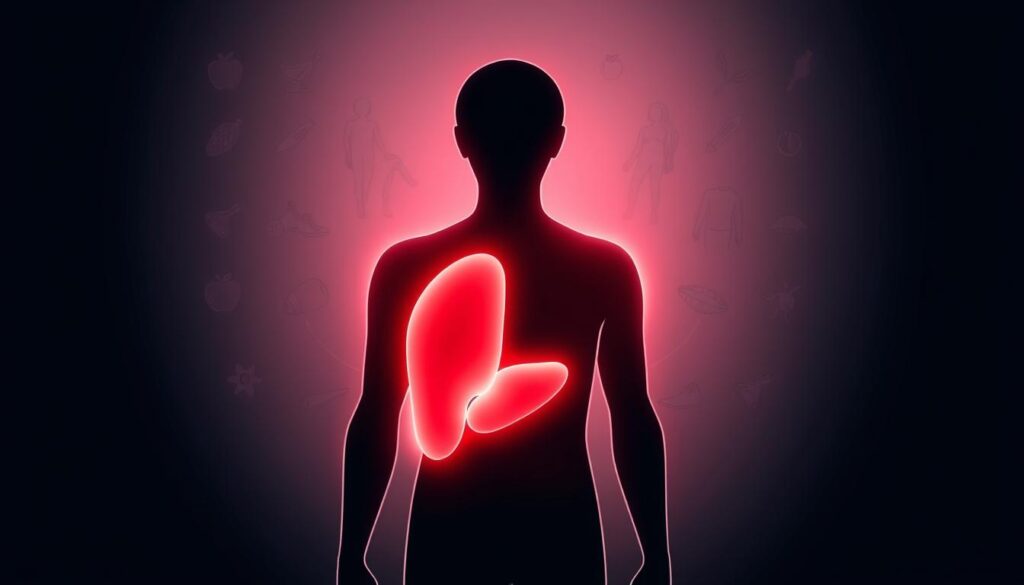
Nonalcoholic fatty liver disease (NAFLD) silently affects millions of Americans. It impacts about 100 million people in the U.S., roughly 25% of the population1. Learning about your risks is crucial for better liver health2.
NAFLD is more common than you might think. It affects 1 in 4 adults and 1 in 10 children in the U.S2. The disease often develops in people with obesity, diabetes, high cholesterol, or high triglycerides1.
NAFLD is tricky because it often has no symptoms. Many people don’t know they have it until serious problems occur3. Your lifestyle choices are key in preventing and managing this disorder.
Key Takeaways
- NAFLD affects roughly 25% of the U.S. population
- The condition is closely linked to metabolic syndrome
- Many people with NAFLD have no noticeable symptoms
- Lifestyle changes can help prevent and manage NAFLD
- Early detection is critical for preventing serious liver damage
Understanding Nonalcoholic Fatty Liver Disease
Nonalcoholic fatty liver disease (NAFLD) affects millions worldwide. It happens when excess fat builds up in liver cells without heavy drinking4. NAFLD ranges from simple fatty liver to serious inflammation.
What Exactly is NAFLD?
NAFLD is a liver disorder linked to metabolic syndrome. It develops as fat accumulates in the liver5. This condition occurs in people who drink little or no alcohol.
NAFLD has two main stages:
- Nonalcoholic fatty liver (NAFL)
- Nonalcoholic steatohepatitis (NASH) – a more advanced stage with liver inflammation
Risk Factors You Should Know
Key risk factors for NAFLD include:
- Obesity6
- Type 2 diabetes
- High blood pressure
- Metabolic syndrome
“Up to 75% of people who are overweight have NAFLD”6
Symptoms to Watch For
NAFLD often shows no signs early on4. When symptoms do appear, they might include:
- Fatigue
- Abdominal pain
- Unexplained weight loss
- Weakness
This liver condition is common. About 24% of U.S. adults have NAFLD6. It’s vital to know your risk factors and possible symptoms.
The Impact of Nonalcoholic Fatty Liver Disease on Your Health
Nonalcoholic fatty liver disease (NAFLD) quietly threatens your overall health. It’s vital to understand how NAFLD progresses to catch it early. Timely action can prevent serious liver complications.
How NAFLD Affects Your Liver Function
NAFLD starts with fat building up in liver cells. This can lead to liver inflammation over time. The disease moves through stages, with NASH being a major concern7.
About 20% to 30% of NAFLD cases turn into NASH. NASH causes severe liver inflammation and cell damage8.
Potential Complications
If not treated, NAFLD can cause serious health issues:
- Cirrhosis risk increases as liver damage progresses7
- Potential liver failure
- Higher likelihood of liver cancer
- Increased risk of heart disease9
Importance of Early Detection
Early detection is crucial because NAFLD often shows no symptoms at first7. About 4% to 6% of NASH patients develop cirrhosis8. Regular liver tests can spot issues before they worsen.
Your liver’s health reflects your overall wellness. Protecting it can prevent long-term health problems.
NAFLD affects 24% to 26% of Americans8. Understanding the risks helps you take steps to protect your liver. This action maintains your overall health.
Managing and Preventing Nonalcoholic Fatty Liver Disease
Nonalcoholic fatty liver disease (NAFLD) needs a complete lifestyle change. Over 80% of NAFLD patients are overweight10. Managing weight is key to improving liver health11.
Losing 5-10% of body weight can boost liver function11. Aim for 150 minutes of moderate exercise weekly. This helps insulin sensitivity and reduces liver fat11.
Eat whole grains, fruits, veggies, and healthy fats. Cut down on simple sugars and saturated fats. For advanced cases, doctors may suggest vitamin E or medications like Resmetirom11.
A hepatology specialist can create a plan just for you11. Regular check-ups are crucial, especially if you have risk factors.
Over 40% of NAFLD patients have metabolic syndrome10. Early detection and lifestyle changes can stop the disease from getting worse. Your long-term health depends on taking action now.
FAQ
What exactly is Nonalcoholic Fatty Liver Disease (NAFLD)?
NAFLD is the most common liver disease worldwide. It’s marked by excess fat in the liver of people who drink little alcohol. NAFLD can range from simple fatty liver to nonalcoholic steatohepatitis (NASH).
NASH can progress to cirrhosis and liver cancer. Doctors now use the term Metabolic Dysfunction-Associated Steatotic Liver Disease (MASLD) to describe this condition.
Who is most at risk for developing NAFLD?
You’re at higher risk for NAFLD if you’re overweight or have metabolic syndrome. Being over 50, having type 2 diabetes, or insulin resistance also increases your risk. Genetic factors can play a role too.
NAFLD is closely linked to obesity and metabolic health issues.
What are the typical symptoms of NAFLD?
Early NAFLD often has no noticeable symptoms. As it progresses, you might feel tired and have pain in your upper right abdomen. Severe symptoms like jaundice and swelling could signal advanced liver disease or cirrhosis.
How can I prevent or manage NAFLD?
Managing NAFLD mainly involves lifestyle changes. Aim to lose 5-10% of your body weight. Eat a balanced diet rich in fruits, veggies, and whole grains.
Avoid simple sugars and saturated fats. Exercise moderately for 150 minutes weekly to boost insulin sensitivity. Avoiding alcohol is crucial too.
Can NAFLD be reversed?
Yes, early-stage NAFLD can often be reversed through major lifestyle changes. Weight loss, better diet, and regular exercise can reduce liver fat and inflammation. Advanced stages like NASH might need more intensive medical care.
When should I consult a healthcare professional?
See a doctor if you have NAFLD risk factors or persistent symptoms like fatigue. Get checked if you’ve been diagnosed with metabolic conditions. Regular check-ups and liver tests help detect and monitor the disease early.
What potential complications can NAFLD lead to?
Untreated NAFLD can lead to liver fibrosis, cirrhosis, and portal hypertension. It also increases your risk of liver cancer. NAFLD can worsen your overall metabolic health, affecting conditions like diabetes and heart disease.
Are there any recommended supplements for NAFLD?
Vitamin E supplements might help people with NASH. Always talk to your doctor before starting any new supplements. Your needs may vary based on your specific health condition and medical history.
Source Links
- Nonalcoholic Fatty Liver Disease (NAFLD) – https://liverfoundation.org/liver-diseases/fatty-liver-disease/nonalcoholic-fatty-liver-disease-nafld/
- Understanding Your Risks for Fatty Liver Disease – https://www.renown.org/blog/understanding-your-risks-for-fatty-liver-disease
- Nonalcoholic fatty liver disease – UF Health – https://ufhealth.org/conditions-and-treatments/nonalcoholic-fatty-liver-disease
- Nonalcoholic Fatty Liver Disease (NAFLD) & NASH – NIDDK – https://www.niddk.nih.gov/health-information/liver-disease/nafld-nash
- Nonalcoholic Fatty Liver Disease – https://www.hopkinsmedicine.org/health/conditions-and-diseases/nonalcoholic-fatty-liver-disease
- Definition & Facts of NAFLD & NASH – NIDDK – https://www.niddk.nih.gov/health-information/liver-disease/nafld-nash/definition-facts
- Non-alcoholic fatty liver disease (NAFLD) – https://www.nhs.uk/conditions/non-alcoholic-fatty-liver-disease/
- Health and Economic Burden of Nonalcoholic Fatty Liver Disease in the United States and Its Impact on Veterans – https://pmc.ncbi.nlm.nih.gov/articles/PMC6366581/
- Non-Alcoholic Fatty Liver Disease | University of Michigan Health – https://www.uofmhealth.org/conditions-treatments/digestive-and-liver-health/fatty-liver-disease-non-alcoholic
- Managing nonalcoholic fatty liver disease: Recommendations for family physicians – https://pmc.ncbi.nlm.nih.gov/articles/PMC1949172/
- Nonalcoholic fatty liver disease – Diagnosis and treatment – https://www.mayoclinic.org/diseases-conditions/nonalcoholic-fatty-liver-disease/diagnosis-treatment/drc-20354573

