
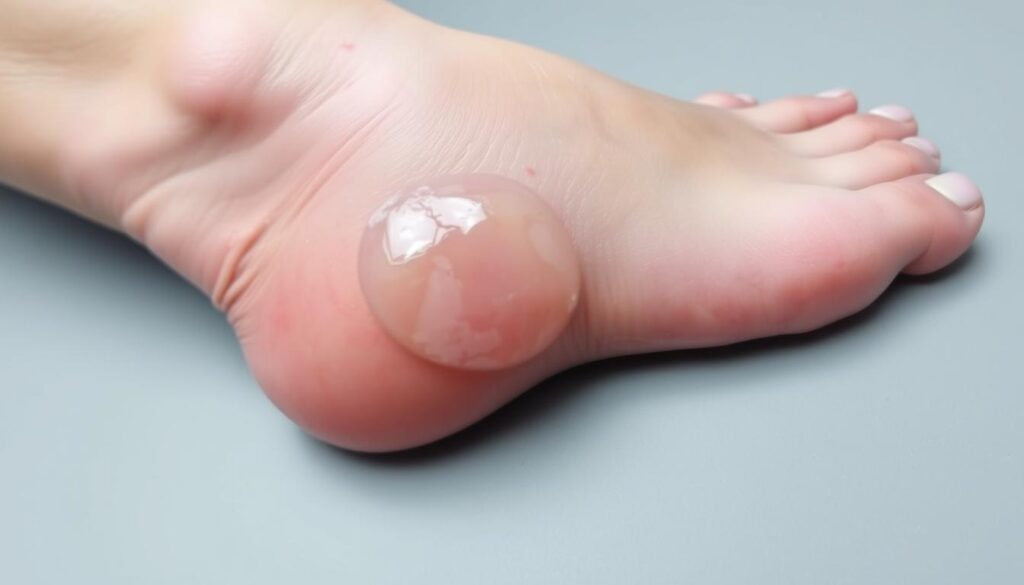
Edema is a condition where fluid builds up, causing swelling in different body parts. It can range from mild puffiness to significant tissue swelling1. Edema often affects the legs and feet, but can occur anywhere1.
This swelling isn’t just about looks. It might point to serious health problems like heart, kidney, or liver issues1. Understanding edema is key to managing your health well.
Swelling happens when extra fluid gets trapped in your body’s tissues. This creates noticeable puffiness under the skin. Your meds, lifestyle, and certain health conditions can cause this fluid buildup1.
Key Takeaways
- Edema primarily affects legs and feet
- Multiple medical conditions can cause swelling
- Fluid retention can be a sign of serious health issues
- Treatment depends on identifying the underlying cause
- Early detection can prevent potential complications
What is Edema and Why It Matters
Edema is a medical condition affecting millions worldwide. It involves fluid buildup in body tissues, causing swelling. This swelling can greatly impact your daily life2.
Water retention and bloating are key signs of edema. This condition can appear in various body parts. It often creates discomfort and possible health issues3.
Understanding Edema’s Complex Nature
Edema happens when extra fluid gets trapped in body tissues. Many factors can cause this fluid buildup. These include medical conditions, lifestyle choices, and body changes2.
Types of Edema You Should Know
- Peripheral Edema: Swelling in arms, legs, hands, or feet3
- Pitting Edema: Leaves an indent when pressed3
- Lymphedema: Fluid build-up in lymph system3
- Pulmonary Edema: Fluid accumulation in lungs3
Critical Insights About Edema
| Edema Type | Primary Causes | Potential Risks |
|---|---|---|
| Peripheral Edema | Heart failure, kidney disease | Reduced mobility, circulation issues |
| Lymphedema | Surgery, radiation damage | Infection risk, tissue changes |
| Pulmonary Edema | Heart failure, severe infections | Breathing difficulties |
Early recognition and understanding of edema can prevent serious health complications.
Knowing edema signs is vital. Look out for strange swelling, quick weight gain, and trouble moving3. If you have ongoing symptoms, see a doctor.
Common Causes of Edema
Edema occurs when fluid builds up in your body. Knowing its causes helps manage and prevent this uncomfortable condition. Medical issues and lifestyle choices can lead to swelling.
Medical Conditions Linked to Edema
Serious health problems can upset your body’s fluid balance. Venous insufficiency often causes fluid buildup in legs4. Heart failure also frequently leads to leg swelling4.
- Congestive heart failure can cause widespread fluid retention5
- Kidney disease leads to severe leg and body swelling5
- Liver cirrhosis disrupts normal fluid distribution5
- Chronic inflammatory conditions like rheumatoid arthritis can trigger leg swelling4
Lifestyle Factors Contributing to Edema
Your daily habits can affect fluid retention. Sitting or standing for long periods may cause leg swelling4. Overweight people are more likely to experience fluid buildup4.
| Lifestyle Factor | Edema Risk |
|---|---|
| High salt intake | Increases fluid retention |
| Prolonged immobility | Reduces circulation |
| Excess weight | Higher fluid accumulation |
Some medications can cause edema. Diabetes drugs, blood pressure medications, and steroids might lead to fluid retention6.
Lymphedema is swelling related to lymphatic system issues. It can develop from various underlying conditions.
Prevention is key: Stay active, maintain a healthy weight, and consult your healthcare provider about potential edema risks.
Recognizing Edema Symptoms
Spotting edema signs early can help identify potential health issues. Swelling isn’t always serious, but knowing the symptoms is vital for your health.
Common Signs of Edema
Edema shows up in various ways across your body. You might notice swollen ankles, puffy eyes, or heavy legs.
These signs can point to fluid retention7. Keep an eye out for these key indicators:
- Swelling in arms or legs with visible puffiness7
- Skin that dimples when pressed (pitting edema)7
- Tight or warm skin around swollen areas7
- Difficulty moving affected joints7
- Feeling of heaviness in limbs8
When to Seek Medical Attention
Not all edema needs immediate medical care. However, some symptoms call for a doctor’s evaluation. Watch out for these warning signs:
| Symptom | Potential Concern |
|---|---|
| Sudden, severe swelling | Possible serious underlying condition |
| Swelling in one leg | Potential deep vein thrombosis9 |
| Accompanied by chest pain | Possible pulmonary issues9 |
| Persistent swelling | Potential chronic health problem7 |
“Early recognition of edema symptoms can be crucial for timely medical intervention.” – Medical Experts
If you have ongoing swollen ankles, puffy eyes, or leg heaviness, talk to your doctor. Your body sends messages through symptoms, so listen carefully.
Effective Treatment Options for Edema
Edema management needs a tailored approach for your health. Home remedies and medical treatments can help reduce swelling. Let’s explore options to improve your well-being10.
Home Remedies and Lifestyle Changes
Compression stockings with 12-15mm mercury prevent fluid buildup in legs10. Elevating affected limbs and reducing sodium intake helps minimize swelling10.
Add potassium-rich foods like bananas and spinach to support fluid balance10. These simple strategies can make a big difference in your daily routine.
Medical Treatments and Procedures
Severe cases require medical interventions. Diuretics, like Furosemide, help your body expel excess fluid11. Anticoagulants may prevent blood clots associated with edema11.
Treatment varies based on underlying conditions like heart failure or kidney disease11. Consult your doctor for a personalized treatment plan.
Prevention Strategies for Edema
Prevent edema by staying active and managing your weight. Avoid sitting or standing for long periods10. Seek medical help for persistent swelling with fever or pain10.
Regular check-ups and managing chronic conditions reduce edema risk11. Take charge of your health to prevent fluid retention.
FAQ
What exactly is edema?
Edema is a medical condition causing swelling due to trapped fluid in body tissues. It often affects legs, feet, and ankles. Various factors, including medical conditions and medications, can cause edema.
What are the most common causes of edema?
Edema can result from heart failure, kidney disease, liver cirrhosis, and prolonged sitting or standing. High salt intake, pregnancy, and certain medications may also contribute to fluid retention.
Hormonal changes, allergic reactions, and lymphatic system disorders are additional potential causes.
How can I recognize edema symptoms?
Key symptoms include visible swelling under the skin, especially in legs or arms. Look for stretched or shiny skin that dimples when pressed.
You might feel heaviness in affected areas. Serious cases may cause shortness of breath, chest pain, or mental changes.
Are there different types of edema?
Yes, several types exist. Peripheral edema affects extremities, while pulmonary edema involves fluid in the lungs. Cerebral edema causes brain swelling.
Macular edema is an eye condition. Pitting edema leaves an indentation when pressed. Each type has unique characteristics.
How is edema typically treated?
Treatment depends on the cause. Lifestyle changes include elevating limbs, wearing compression garments, and reducing salt intake. Regular exercise can also help.
Medical treatments may involve diuretics to increase urine production. Managing underlying health conditions is crucial. Some cases require specific targeted treatments.
When should I see a doctor about edema?
Seek medical help for persistent swelling, especially with shortness of breath or chest pain. Leg pain after sitting and sudden swelling are concerning signs.
If edema interferes with daily activities, consult a doctor. These symptoms could indicate a serious underlying condition.
Can lifestyle changes help prevent edema?
Yes! Maintain a healthy weight and stay physically active. Limit salt consumption and avoid prolonged sitting or standing.
Stay hydrated and manage underlying health conditions. Regular exercise and a balanced diet can significantly reduce fluid retention risk.
Source Links
- Edema – Symptoms and causes – https://www.mayoclinic.org/diseases-conditions/edema/symptoms-causes/syc-20366493
- Edema: Diagnosis and Management – https://www.aafp.org/pubs/afp/issues/2013/0715/p102.html
- Edema (Swelling) – https://www.cancer.org/cancer/managing-cancer/side-effects/swelling/edema.html
- Know when swollen legs signal trouble – https://www.mayoclinic.org/symptoms/leg-swelling/basics/causes/sym-20050910
- Edema: Types, Causes, and Symptoms – https://www.webmd.com/heart-disease/heart-failure/edema-overview
- Causes, Symptoms, Treatments, and Prevention of Edema (Swelling) – https://novusspinecenter.com/blog/edema/causes-symptoms-treatments-prevention-edema-swelling
- In brief: Causes and signs of edema – InformedHealth.org – https://www.ncbi.nlm.nih.gov/books/NBK279409/
- Edema: Types, causes, symptoms, and treatment – https://www.medicalnewstoday.com/articles/159111
- Patient education: Edema (swelling) (Beyond the Basics) – https://www.uptodate.com/contents/edema-swelling-beyond-the-basics/print
- Home Remedies to Treat Edema in Legs and Feet – https://www.cvmus.com/blog/home-remedies-treat-edema-legs-and-feet
- Best medications for edema: Types, dosages, and more – https://www.medicalnewstoday.com/articles/what-is-the-best-medications-for-edema

