
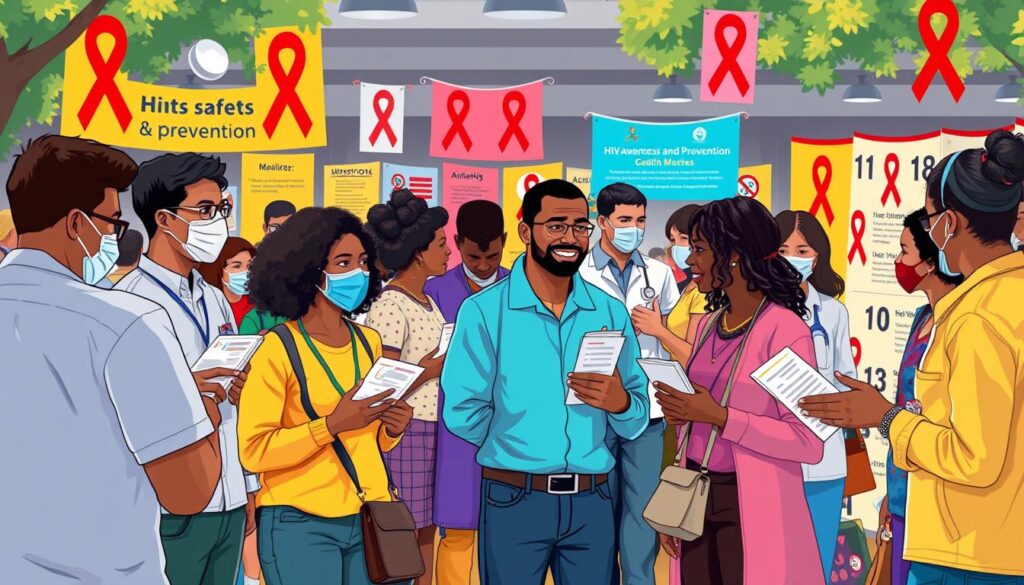
HIV/AIDS is a critical viral infection affecting millions worldwide. It poses a complex challenge to the immune system. Understanding this condition is crucial for prevention and awareness.
Over 1 million people in the U.S. have HIV. Each year, more than 50,000 new infections occur1. Shockingly, 1 in 7 Americans with HIV don’t know they’re infected1.
Knowledge is power in your health journey. About 90% of new HIV infections in the U.S. happen during sex1. Modern medicine has made HIV a manageable chronic condition.
Proper treatment and prevention can protect you and your loved ones. Shared needles and drug use are the second most common way HIV spreads1. Knowing this helps you make smart choices about your health.
Key Takeaways
- HIV attacks the immune system and can be managed with early detection
- Regular testing is crucial for sexual health
- Prevention strategies like PrEP can significantly reduce infection risks
- Most HIV infections occur through sexual contact
- Awareness and education are key to prevention
What is HIV/AIDS?
HIV and AIDS are serious medical conditions affecting millions worldwide. They impact the immune system in significant ways. Understanding these conditions is vital for protecting your health and others’.
Key Definitions and Differences
HIV is a virus that attacks the body’s immune system. It targets critical immune cells, weakening your body’s natural defenses2.
AIDS is the most advanced stage of HIV infection. It’s diagnosed when CD4 count drops below 200 cells/mm3 or specific infections develop3.
How HIV Affects the Body
- Attacks CD4 cells (immune system defenders)
- Reduces the body’s ability to fight infections
- Progressively damages the immune system
Stages of HIV Infection
HIV infection progresses through multiple stages. Modern treatments can significantly slow this progression. Without treatment, individuals might experience:
- Acute infection stage
- Chronic HIV infection
- AIDS development
“Effective treatment can transform HIV from a life-threatening condition to a manageable chronic illness.”
Proper antiretroviral therapy helps maintain an undetectable viral load. People with HIV can live long, healthy lives3. About 86% of people with HIV know their status.
77% receive crucial antiretroviral treatment2. Regular medical monitoring helps manage the condition effectively. This prevents progression to AIDS3.
How is HIV Transmitted?
Knowing how HIV spreads is key to staying healthy and stopping the virus. HIV can spread through specific routes with different risk levels. Sexual contact remains the main way HIV spreads.
Common Modes of HIV Transmission
The primary ways HIV spreads include:
- Sexual contact through unprotected anal or vaginal intercourse
- Sharing contaminated needles during drug use
- Mother-to-child transmission during pregnancy or breastfeeding
- Blood transfusions (though extremely rare with modern screening)
Risk Factors and Transmission Dynamics
Your HIV risk goes up under certain conditions. Viral load plays a critical role in transmission potential4. People with higher viral loads are more likely to spread the virus.
Those with undetectable viral loads through consistent treatment have much lower transmission risks4.
| Transmission Route | Risk Level |
|---|---|
| Unprotected Anal Sex | High Risk |
| Needle Sharing | Very High Risk |
| Mother-to-Child | Moderate Risk (Preventable) |
| Blood Transfusion | Extremely Low Risk |
Myths vs. Facts
Despite common beliefs, HIV can’t spread through:
- Casual physical contact
- Sharing utensils
- Mosquito bites
- Closed-mouth kissing
“Knowledge is your best protection against HIV transmission.”
Protect yourself by understanding these transmission routes and taking action. Get tested regularly, use protection during sex, and avoid sharing needles.
Modern medical treatments can greatly reduce the risk of HIV transmission45.
Prevention and Treatment Options
HIV prevention starts with understanding effective strategies. Protecting yourself involves multiple approaches, including comprehensive HIV prevention techniques. Consistent condom use and regular HIV testing are crucial for sexual health6.
Pre-exposure prophylaxis (PrEP) shields high-risk individuals from HIV transmission. PrEP effectively prevents HIV through sexual contact and injection drug use6. Antiretroviral therapy reduces viral load, lowering transmission risk to sexual partners7.
For those with HIV, continuous treatment is vital. Maintaining an undetectable viral load prevents transmission and supports overall health7. Support groups and counseling services provide emotional support and practical resources.
PrEP, regular HIV testing, and clean injection equipment reduce transmission risks6. Your proactive approach to sexual health can make a significant difference in managing HIV.
FAQ
What is the difference between HIV and AIDS?
HIV is a virus that attacks your immune system. It targets CD4-positive T-cells. AIDS is the most advanced stage of HIV infection. It’s diagnosed when your immune system becomes severely damaged.
How is HIV transmitted?
HIV spreads through specific body fluids like blood, semen, and vaginal fluids. Common transmission routes include unprotected sex and sharing contaminated needles. Mother-to-child transmission can occur during pregnancy, childbirth, or breastfeeding.
HIV is not transmitted through casual contact like hugging or sharing utensils.
Can I get HIV from a single sexual encounter?
Yes, transmission is possible from a single sexual encounter. The risk increases with additional factors like other STIs or unprotected anal sex. Multiple unprotected encounters with an HIV-positive partner raise the risk further.
What are the best ways to prevent HIV transmission?
Key prevention strategies include using condoms and limiting sexual partners. Never share needles and get regular HIV testing. Consider Pre-Exposure Prophylaxis (PrEP) if you’re at high risk.
Open communication with partners about sexual health is crucial.
How effective is modern HIV treatment?
Today’s antiretroviral therapy (ART) is incredibly effective. It can reduce viral load to undetectable levels when taken consistently. This improves health outcomes and lowers transmission risk significantly.
Many people with HIV now live full, healthy lives with proper care.
How often should I get tested for HIV?
If you’re sexually active, get tested at least annually. High-risk groups should consider testing every 3-6 months. Early detection is key to effective management of HIV.
Is there a cure for HIV?
Currently, there’s no cure for HIV. However, antiretroviral therapy has made HIV a manageable chronic condition. Ongoing research explores potential cure strategies, including advanced medications and innovative treatments.
How can I support someone diagnosed with HIV?
Offer emotional support and help them connect with support groups. Avoid stigmatizing language and encourage medical adherence. Educate yourself about HIV to better understand their situation.
Remember, people with HIV can lead normal, healthy lives with proper treatment and support.
Source Links
- HIV and AIDS: Know the Facts – https://newsinhealth.nih.gov/2015/06/hiv-aids-know-facts
- HIV and AIDS – https://www.who.int/news-room/fact-sheets/detail/hiv-aids
- What Are HIV and AIDS? – https://www.hiv.gov/hiv-basics/overview/about-hiv-and-aids/what-are-hiv-and-aids
- How HIV Spreads – https://www.cdc.gov/hiv/causes/index.html
- How Is HIV Transmitted? – https://www.hiv.gov/hiv-basics/overview/about-hiv-and-aids/how-is-hiv-transmitted
- Preventing HIV – https://www.cdc.gov/hiv/prevention/index.html
- HIV Treatment as Prevention: TASP Prevention of HIV/AIDS – https://www.hiv.gov/tasp

