
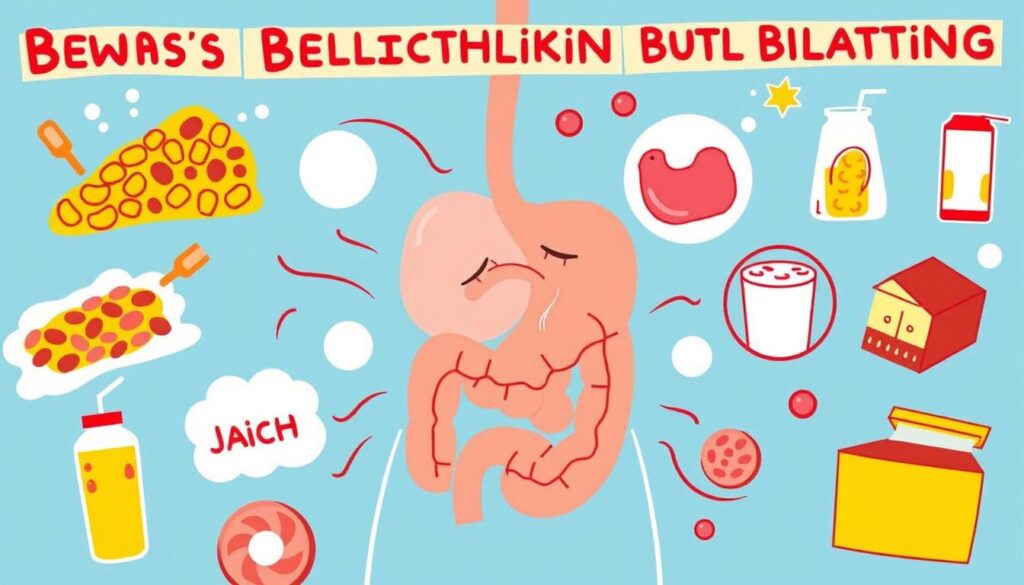
Digestive discomfort can hit suddenly, making you feel uneasy and awkward. Many people face belching, gas, and bloating issues, but rarely talk about them1. Knowing the root causes helps manage these symptoms better2.
Your digestive system is complex and sensitive to many factors. Swallowing too much air can cause gas buildup in your stomach and small intestine2. This leads to uncomfortable belching and bloating.
Certain foods can trigger these digestive problems. Some ingredients are more likely to cause gas and discomfort2. Your gut bacteria play a crucial role in digestive health.
Changes in gut microbiota can lead to bloating and gas. This may affect your overall well-being1. Some people are more sensitive to intestinal gas than others2.
Key Takeaways
- Digestive discomfort is a common but manageable condition
- Excessive air swallowing can trigger belching and bloating
- Certain foods may increase gas production
- Gut microbiota significantly impacts digestive health
- Individual sensitivity to intestinal gas varies
Understanding Digestive Discomfort: Common Causes and Symptoms
Digestive issues can be uncomfortable and frustrating. Your body’s complex digestive system faces various challenges. These can lead to stomach discomfort, indigestion, and other symptoms.
Knowing these triggers can help you manage your digestive health better. Let’s explore some common causes and symptoms of digestive discomfort.
Swallowing Excess Air and Its Effects
Excessive air swallowing often causes burping and flatulence. Most people produce about 1 to 4 pints of gas daily. They pass gas around 14 times3.
This natural process can become problematic in certain situations. These include:
- Eat or drink too quickly
- Talk while eating
- Chew gum frequently
- Consume carbonated beverages
Digestive System Reactions to Food
Your digestive system can react strongly to certain foods. This may cause abdominal pain and bloating. Some people are sensitive to carbs not fully digested in the small intestine3.
Up to 3 in 4 women report abdominal bloating. This often happens before and during menstrual periods4.
Bacterial Overgrowth and Digestive Issues
Small intestinal bacterial overgrowth (SIBO) can greatly impact digestive comfort. This happens when gut bacteria from the colon overflow into the small intestine4.
About one-third of people produce methane gases during food breakdown3. This can contribute to digestive discomfort.
Understanding your body’s unique digestive patterns is key to managing stomach discomfort and maintaining overall gut health.
| Digestive Issue | Common Symptoms | Potential Causes |
|---|---|---|
| Flatulence | Excessive Gas | Diet, Bacterial Overgrowth |
| Indigestion | Stomach Discomfort | Eating Habits, Food Sensitivity |
| Bloating | Abdominal Swelling | Hormonal Changes, Diet |
Belching, Gas, and Bloating: Key Triggers and Risk Factors
Knowing what causes digestive issues can help you handle uncomfortable symptoms better. Gas is normal, with most people releasing it 6 to 20 times daily5. Some folks produce more gas than others.
Food intolerances play a big role in digestive discomfort. Lactose intolerance can cause gas and bloating when eating dairy5. Fizzy drinks and certain foods can also lead to these symptoms.
- Trigger foods that may cause digestive issues:
- Beans and legumes
- Cabbage and cruciferous vegetables
- Whole grains
- Fatty foods
Functional gastrointestinal disorders (FGIDs) often cause ongoing digestive problems. These conditions can make you more sensitive to gas and bloating6. Symptoms may include belly pain and changes in bowel habits.
“Your diet and lifestyle significantly impact your digestive health and comfort.”
Anxiety and stress can worsen digestive issues6. Mental health problems may make symptoms harder to manage. Some medications and hormone changes can also cause gas and bloating5.
- Additional risk factors for digestive discomfort:
- Hormonal fluctuations
- Prescription medications
- Stress and anxiety
- Eating habits
Learning about these triggers and risk factors can help you take charge of your digestive health. You can then take steps to reduce uncomfortable symptoms.
Natural Ways to Reduce Digestive Discomfort
Digestive health is vital for overall wellness. Many people face daily struggles with digestion. Luckily, natural remedies and lifestyle changes can help ease discomfort.
A holistic approach is key to managing digestive health. This includes dietary changes, lifestyle adjustments, and mindful practices.
Smart Dietary Modifications
Your food choices greatly impact digestive comfort. Consider these dietary strategies:
- Avoid trigger foods that cause gas and bloating7
- Eat slowly and chew thoroughly to reduce air swallowing7
- Incorporate probiotic-rich foods to support gut health
Here are some specific dietary recommendations:
| Food Category | Recommendations |
|---|---|
| Dairy | Use lactase enzyme supplements for lactose intolerance7 |
| Gas-Producing Foods | Reduce beans, cabbage, and carbonated beverages7 |
Lifestyle Changes for Better Digestion
Improve your daily habits to support digestive health:
- Manage stress levels
- Quit smoking
- Avoid chewing gum8
Exercise and Physical Activity Benefits
Regular physical activity can greatly improve your digestive function. Targeted exercises can help reduce bloating and strengthen core muscles.
Aim for consistent movement to promote healthy digestion8.
Natural remedies like peppermint tea and chamomile can provide additional digestive support7.
Everyone’s digestive system is unique. If symptoms persist or worsen, consult a healthcare professional7.
Conclusion
Managing digestive discomfort requires a personalized approach. About 30% of Americans experience bloating symptoms. Understanding your body’s signals is crucial for effective symptom relief and gastrointestinal wellness910.
Your path to better digestive health involves multiple strategies. It’s normal to pass gas 6 to 20 times daily. This knowledge can help reduce anxiety about your symptoms10.
Pay attention to your diet, stress levels, and lifestyle choices. These factors might trigger digestive discomfort. Some people produce more gas than others, so solutions may vary10.
Professional guidance can be invaluable for persistent digestive issues. Most symptoms are manageable through diet and lifestyle changes. However, severe or ongoing symptoms need medical evaluation9.
Taking proactive steps towards understanding your digestive health can improve your life. Stay informed and listen to your body. Seek appropriate support to effectively manage gastrointestinal wellness and find lasting relief.
FAQ
What causes excessive belching and gas?
Excessive belching and gas can stem from various factors. Swallowing air while eating or drinking is a common cause. Carbonated drinks, fast eating, and certain foods like beans can also trigger these issues.
Chewing gum and drinking through straws may increase air intake. This can lead to more frequent belching. Talking while eating can also contribute to this problem.
How can I reduce bloating and gas after meals?
To reduce bloating and gas, eat slowly and chew your food well. Avoid carbonated drinks and identify foods that upset your stomach. Adding probiotics and eating smaller meals can help.
Try not to talk while eating. Stay hydrated and take a short walk after meals. These steps can improve digestion and lessen bloating.
Are there specific foods that cause more gas and bloating?
Yes, some foods are more likely to cause gas and bloating. These include beans, cabbage, broccoli, whole grains, and dairy products. Fatty foods and fizzy drinks can also lead to discomfort.
Keeping a food diary can help you spot your trigger foods. This way, you can avoid items that upset your stomach.
Can stress affect digestive issues like gas and bloating?
Absolutely! Stress and anxiety can greatly impact your digestive system. They can increase gas, bloating, and overall stomach discomfort. The gut-brain connection means emotional stress can trigger digestive symptoms.
Try stress-reduction techniques like meditation and deep breathing. Regular exercise can also help manage both stress and digestive issues.
When should I see a doctor about my digestive problems?
See a doctor if you have ongoing or severe symptoms. These may include chronic bloating, bad stomach pain, or unexplained weight loss. Blood in your stool is also a reason to seek medical help.
Persistent symptoms could point to conditions like IBS or food intolerances. These require proper medical evaluation and treatment.
How can exercise help with digestive discomfort?
Regular exercise can greatly improve digestive function. It promotes better gut movement, reduces stress, and helps prevent constipation. Gentle activities like walking and yoga can reduce bloating.
Core-strengthening exercises can also boost overall digestive health. These activities may help minimize gas and discomfort.
Are there natural remedies to help with gas and bloating?
Several natural remedies can ease gas and bloating. Peppermint tea, probiotics, and digestive enzymes often help. Practicing mindful eating is another useful approach.
Adding ginger or chamomile to your diet may also provide relief. These natural methods can improve digestion and reduce uncomfortable symptoms.
Source Links
- Practical tips to reduce bloating, belching and gas – https://www.mayoclinic.org/diseases-conditions/gas-and-gas-pains/in-depth/gas-and-gas-pains/art-20044739
- Belching, Bloating & Flatulence | ACG – https://gi.org/topics/belching-bloating-and-flatulence/
- Gas in the Digestive Tract – https://www.hopkinsmedicine.org/health/conditions-and-diseases/gas-in-the-digestive-tract
- Bloated Stomach: Causes, Tips to Reduce & When to be Concerned – https://my.clevelandclinic.org/health/symptoms/21740-bloated-stomach
- Gas, Bloating, and Burping | HealthLink BC – https://www.healthlinkbc.ca/health-topics/gas-bloating-and-burping
- Gas, Bloating, and Belching: Approach to Evaluation and Management – https://www.aafp.org/pubs/afp/issues/2019/0301/p301.html
- Gas & Bloating: Natural Remedies – https://www.brighamandwomens.org/patients-and-families/meals-and-nutrition/bwh-nutrition-and-wellness-hub/special-topics/gas-beat-the-bloat
- 10 Tips to Get Rid of Gas, Pains, and Bloating – https://www.healthline.com/health/digestive-health/get-rid-of-gas-pains-and-bloating
- PDF – https://www.acofp.org/docs/default-source/ofp/vol-11-no-2-(2019)-march-april-2019/symptomatic-approach-to-gas-belching-and-bloating-with-omt-treatment-options.pdf?sfvrsn=4170c3e9_0
- Gas, Bloating, and Burping | Kaiser Permanente – https://healthy.kaiserpermanente.org/health-wellness/health-encyclopedia/he.gas-bloating-and-burping.gas

