
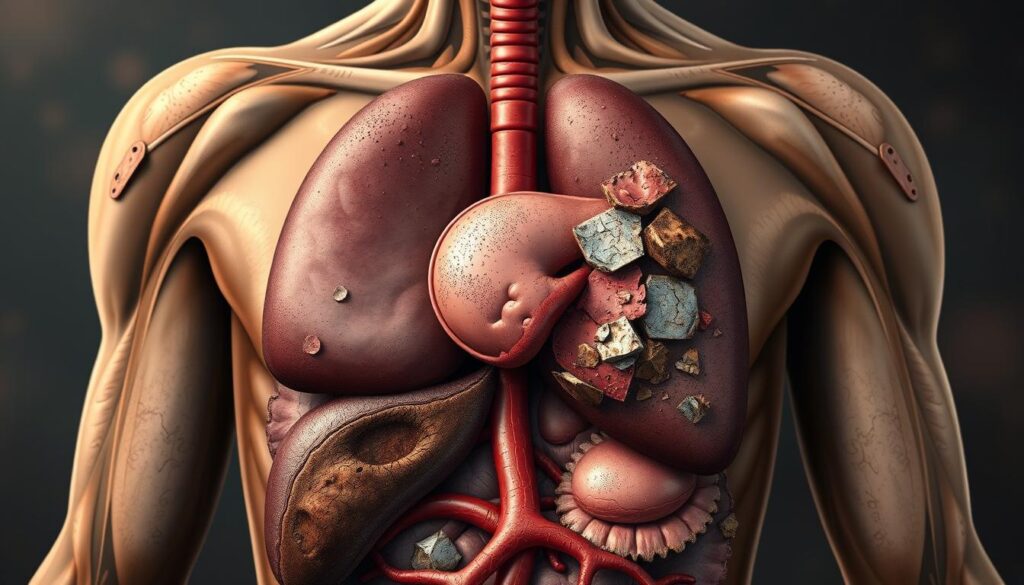
Hereditary hemochromatosis is a genetic condition that causes iron overload in the body. This disorder can silently damage vital organs without early warning signs1. It’s crucial to understand the risks and potential health complications.
Northern Europeans are more likely to have this genetic condition1. Most people with the gene mutation don’t develop severe problems. However, it’s important to be aware of the potential risks.
Men often see symptoms around age 40. Women may notice changes after 60, especially after menopause1. Untreated hemochromatosis can cause serious health issues like liver cirrhosis and heart problems1.
Early detection is key to managing this condition effectively. Recognizing signs and seeking medical help can prevent major health challenges.
Key Takeaways
- Hereditary hemochromatosis is a genetic iron overload disorder
- Symptoms typically emerge in midlife
- Northern Europeans have higher genetic predisposition
- Men experience symptoms earlier than women
- Early detection can prevent serious health complications
Understanding Iron Overload Disorder: What is Hemochromatosis
Hemochromatosis is a genetic disorder that affects iron absorption. Your body accumulates too much iron, which can lead to serious health issues2. Knowing the signs helps you seek medical help early.
Types of Hemochromatosis
Hemochromatosis has several types, each with unique genetic traits:
- Type 1: Most common genetic disorder affecting about 1 million people in the United States3
- Type 2: Caused by mutations in HJV or HAMP genes3
- Type 3: Resulting from TFR2 gene mutations3
- Type 4: Linked to SLC40A1 gene mutations3
This disorder mainly affects people with northern European ancestry. It occurs in about 1 in 250 people with this background2.
How Iron Buildup Affects Your Body
In hemochromatosis, your body can’t control iron absorption well. This causes high ferritin levels and iron storage in vital organs. Over time, this can damage your liver, heart, and pancreas.
Possible health problems include:
- Liver cirrhosis
- Diabetes
- Heart problems
- Joint complications
“Early diagnosis and treatment can prevent serious organ damage and maintain normal life expectancy.” – Genetic Health Specialists
Symptoms usually appear between ages 30 and 60. Men often show signs earlier than women4. Knowing this helps you work with doctors to manage this genetic condition.
Common Signs and Symptoms of Iron Overload
Hemochromatosis quietly affects your body’s health. Its symptoms develop slowly and are often missed5. Most people notice signs after 50, with women experiencing them post-menopause5.
The key symptoms of iron overload include:
- Persistent joint pain affecting knees and hands
- Chronic fatigue and weakness
- Abdominal discomfort
- Potential liver complications like liver cirrhosis
- Risk of developing diabetes mellitus
Your body may show additional warning signs6:
- Skin color changes (bronze or gray)
- Reduced sex drive
- Memory fog
- Heart rhythm irregularities
“Early detection is crucial in managing hemochromatosis and preventing serious complications.”
Some people with hemochromatosis might not have any symptoms5. The disease can be found through family screening or routine blood tests5. Your genes play a big role in hereditary hemochromatosis6.
If you have ongoing tiredness, joint pain, or unexpected health changes, see a doctor6. They can give you the right tests and care.
Diagnosis and Treatment Options for Hemochromatosis
Early detection and proper management of hemochromatosis are vital. They can prevent long-term complications from iron metabolism disorders. Understanding the right approach to diagnosis and treatment is crucial.
Genetic testing is key in identifying hemochromatosis. Up to 10 percent of people with European ancestry carry gene variants that cause this condition7. Doctors often recommend screening for those with a family history of iron overload.
Diagnostic Methods
Diagnosing hemochromatosis involves several key steps:
- Blood tests to measure iron levels
- Genetic screening for HFE gene mutations
- Evaluating transferrin saturation levels
Medical professionals look for specific indicators during diagnosis:
| Diagnostic Marker | Threshold Value |
|---|---|
| Transferrin Saturation | Higher than 45 percent |
| Ferritin Levels (Males) | Above 300 ng/mL |
| Ferritin Levels (Females) | Above 200 ng/mL |
Treatment Approaches
Phlebotomy is the main treatment for managing hemochromatosis. Patients often have blood removed once or twice weekly for several months8. As iron levels normalize, the frequency of sessions decreases7.
Your treatment plan might include:
- Regular phlebotomy sessions
- Monitoring iron metabolism
- Lifestyle modifications
“Early diagnosis and consistent treatment are key to preventing serious complications from iron overload.” – Hemochromatosis Research Foundation
For secondary hemochromatosis, doctors may prescribe iron chelation medications. These help remove excess iron in patients needing frequent blood transfusions8.
About three-fourths of people are diagnosed before serious symptoms appear7. This shows the importance of proactive genetic testing and regular health screenings.
Conclusion
Hereditary hemochromatosis is a manageable genetic condition that needs proactive iron overload management. Knowing your genetic risk can help prevent potential complications9. Working with healthcare pros lets you control iron levels before they harm organs through strategic medical interventions9.
Start your hemochromatosis journey with regular screenings and knowing your family’s genetic history. Early detection through lab tests can spot mild issues before they worsen9. Studies show that iron depletion therapy, especially phlebotomy, works best when started early10.
Modern medicine offers hope for those with this condition. While it can’t be prevented, lifestyle changes and treatments can improve health outcomes. Research keeps improving our grasp of genetic mutations and future treatments910.
Managing hemochromatosis is a team effort between you and your doctors. Stay informed and follow recommended treatments. With this approach, you can lead a healthy life despite this genetic condition.
FAQ
What exactly is hemochromatosis?
Hemochromatosis is a genetic disorder causing excessive iron absorption from food. Your body stores extra iron in organs like the liver, heart, and pancreas. This buildup can lead to serious health issues if not treated.
What are the most common symptoms of hemochromatosis?
Common symptoms include joint pain, fatigue, weakness, and abdominal discomfort. You might also experience loss of sex drive, impotence, and memory fog. Skin color changes are possible, with a bronze or gray appearance.
Typically, men show symptoms after 40, while women after 60.
How is hemochromatosis diagnosed?
Diagnosis involves genetic testing for HFE gene mutations, mainly C282Y and H63D variants. Blood tests measure iron levels and liver function. Early diagnosis is key to prevent organ damage and manage the condition effectively.
What is the primary treatment for hemochromatosis?
The main treatment is phlebotomy, which removes blood to lower iron levels. Treatment frequency depends on iron overload severity. Some cases may require iron chelator medications.
Lifestyle changes like avoiding iron supplements and limiting alcohol can help manage the condition.
Is hemochromatosis hereditary?
Yes, hemochromatosis is mainly a hereditary condition caused by genetic mutations. It’s inherited when you get two altered HFE gene copies. Genetic testing can determine your risk if you have a family history.
Can hemochromatosis be cured?
Hemochromatosis can’t be cured, but it’s highly manageable with early detection and proper treatment. Regular iron level monitoring and following treatment plans are crucial.
Making lifestyle changes can help you lead a normal, healthy life and prevent serious complications.
What complications can develop if hemochromatosis is not treated?
Untreated hemochromatosis can cause liver cirrhosis, diabetes, and heart problems like congestive heart failure. It may also lead to reproductive issues and organ failure due to iron buildup.
Source Links
- Hemochromatosis – Symptoms and causes – https://www.mayoclinic.org/diseases-conditions/hemochromatosis/symptoms-causes/syc-20351443
- Diagnosis and Management of Genetic Iron Overload Disorders – https://pmc.ncbi.nlm.nih.gov/articles/PMC6258594/
- Hereditary hemochromatosis: MedlinePlus Genetics – https://medlineplus.gov/genetics/condition/hereditary-hemochromatosis/
- Haemochromatosis – https://www.nhs.uk/conditions/haemochromatosis/
- Hemochromatosis – https://www.hopkinsmedicine.org/health/conditions-and-diseases/hemochromatosis
- 8 Signs You Have Too Much Iron in Your Body – https://www.health.com/hemochromatosis-symptoms-8684933
- Patient education: Hereditary hemochromatosis (Beyond the Basics) – https://www.uptodate.com/contents/hereditary-hemochromatosis-beyond-the-basics
- Treatment of Hemochromatosis – NIDDK – https://www.niddk.nih.gov/health-information/liver-disease/hemochromatosis/treatment
- Hemochromatosis. More common than you think – https://pmc.ncbi.nlm.nih.gov/articles/PMC2214116/
- Hemochromatosis: Practice Essentials, Background, Pathophysiology – https://emedicine.medscape.com/article/177216-overview

