
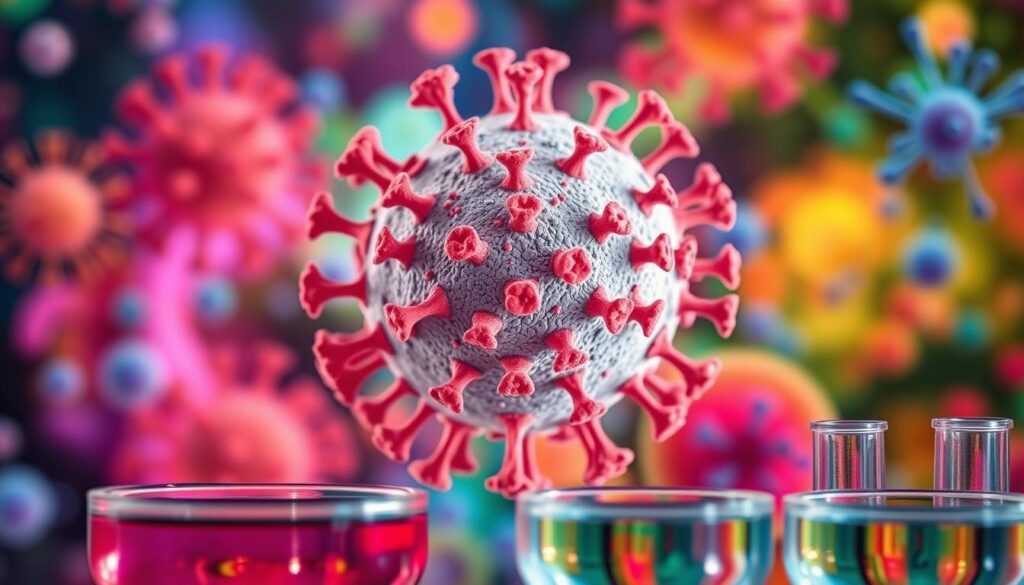
Rubella, also known as German measles, is a contagious viral disease. It poses significant risks, especially for pregnant women. This infection can lead to serious pregnancy complications if not prevented1.
Modern medicine has developed powerful tools to fight rubella. Vaccination has greatly reduced cases worldwide. Global efforts have led to a 97% drop in reported cases since 20001.
Understanding rubella is key to protecting yourself and others. The MMR vaccine offers over 95% long-lasting immunity with one dose. This makes prevention straightforward1.
Currently, 175 countries include rubella vaccines in their national health programs. This shows a global commitment to eradicating the virus1.
Key Takeaways
- Rubella is a contagious viral disease with potential serious complications
- Vaccination is the most effective method of prevention
- Pregnant women are at highest risk for severe outcomes
- Global vaccination efforts have significantly reduced rubella cases
- A single MMR vaccine dose provides long-lasting protection
Understanding Rubella: Causes and Transmission
Rubella is an infectious disease that can pose significant health risks. It’s especially dangerous for vulnerable groups. Learning about its spread and causes is key for prevention and protection.
What Causes Rubella Infection
The rubella virus, part of the Togavirus family, causes this infectious disease. It creates a measles-like rash and spreads through respiratory droplets2.
Though often mild, rubella can cause serious health issues. Pregnant women and unborn children are at the highest risk.
How Rubella Spreads
Rubella spreads in several ways:
- Direct contact with infected respiratory mucus3
- Coughing or sneezing by infected individuals
- Exposure to contaminated surfaces
People can spread the virus before symptoms appear. Up to half of those with rubella might not show signs.
Yet, they can still infect others3. This makes prevention challenging.
Risk Factors and Susceptibility
Your risk of getting rubella increases with certain factors:
- Lack of vaccination
- Travel to areas with low immunization rates
- Close contact with infected individuals
“Prevention is always better than cure, especially with infectious diseases like rubella.”
Pregnant women face the highest risk. Complications can include congenital rubella syndrome. Up to 90% of babies born to infected mothers may have serious health issues2.
Vaccination programs have greatly reduced rubella transmission. The MMR vaccine is about 97% effective in preventing the disease3.
This vaccine offers strong protection for individuals and communities. It’s a key tool in fighting rubella.
Key Symptoms and Signs of Rubella
Rubella, also known as German measles, often has subtle symptoms. Many infected people show no signs of illness. In fact, 25-50% of those with rubella may not display any symptoms4.
When symptoms do appear, they usually include:
- A light pink rash spreading from the face to the body
- Low-grade fever (below 102°F)
- Swollen lymph nodes behind the ears and neck
- Mild conjunctivitis
- Headache and nasal congestion
The rash typically appears 2 to 3 weeks after infection5. Adults, especially women, might experience joint pain for several days. The virus spreads most easily from 1 week before to 1 week after the rash appears6.
“Understanding rubella symptoms is crucial for early detection and preventing spread”
Childhood immunization is key to stopping rubella transmission. Pregnant women face the most significant risk. Rubella can cause serious problems for unborn babies4.
Potential Congenital Rubella Syndrome Complications
| Birth Defect | Potential Impact |
|---|---|
| Hearing Loss | Permanent auditory impairment |
| Eye Defects | Congenital cataracts |
| Heart Problems | Structural cardiac abnormalities |
| Intellectual Disabilities | Cognitive development challenges |
Consistent childhood immunization is the best defense against congenital rubella syndrome. It protects you and your community from this serious condition6.
Preventing Rubella Through Vaccination
Vaccination is a powerful tool against rubella. The MMR vaccine shields you and your loved ones from this disease. It’s crucial for epidemic prevention and childhood immunization.
MMR Vaccine Overview
The MMR vaccine protects against rubella, measles, and mumps. It’s highly effective, with one dose providing 97% protection against rubella7. Most people gain lifelong immunity through vaccination7.
Vaccination Schedule and Guidelines
Childhood immunization follows a specific timeline:
- First dose: 12-15 months of age
- Second dose: 4-6 years old7
Vaccine Safety and Effectiveness
The MMR vaccine is safe with few side effects. Mild reactions may include:
- Temporary soreness
- Mild rash
- Slight fever
- Injection site redness7
“Vaccination is the most effective way to prevent rubella and protect community health.”
Special Considerations for Different Age Groups
Vaccination strategies differ across age groups. Military recruits, college students, and healthcare workers may need extra doses. This ensures full protection8.
| Age Group | Vaccination Recommendation |
|---|---|
| Children | Two doses recommended |
| Adults | Assess immunity, potential booster |
| Healthcare Workers | Mandatory vaccination |
Following vaccination guidelines helps reduce rubella risk. It also supports broader epidemic prevention efforts. Protect yourself and your community by staying up-to-date with vaccinations.
Conclusion
Rubella is a serious infectious disease that requires your attention and prevention efforts. Vaccination is crucial for protecting yourself and your community from outbreaks. Epidemic prevention relies on widespread immunization programs9.
Rubella control has seen remarkable success through vaccination. In the U.S., annual cases have dropped below 25 since 2001. Many countries have implemented effective immunization strategies to reduce virus spread109.
Your vaccination status is vital in preventing rubella. The MMR vaccine is highly effective, with up to 98% seroconversion rates9. Staying up-to-date on vaccinations helps protect vulnerable groups, especially pregnant women and their babies.
Preventing rubella requires a team effort. High vaccination rates and continued awareness are essential for controlling this contagious disease. Stay informed and consult healthcare professionals for guidance.
Take proactive steps to safeguard yourself and your community. Together, we can maintain the progress made in fighting rubella.
FAQ
What is rubella and how is it different from measles?
Rubella, or German measles, is a viral infection causing a red rash. It’s milder than measles, with less severe symptoms. Rubella poses a significant risk to pregnant women, potentially causing serious birth defects.
How does rubella spread?
Rubella spreads through respiratory droplets when infected people cough or sneeze. It can also spread by direct contact with infected mucus. People are most contagious from one week before to one week after the rash appears.
What are the typical symptoms of rubella?
Symptoms include a fine, pink rash starting on the face and spreading to the body. Low-grade fever, swollen lymph nodes, and mild conjunctivitis are common.
Other symptoms may include headache, stuffy or runny nose. Adults might experience joint pain lasting 3-10 days.
Why is rubella particularly dangerous for pregnant women?
Rubella can be extremely dangerous during pregnancy, especially in the first trimester. The virus can pass through the placenta, potentially causing congenital rubella syndrome (CRS).
CRS can lead to miscarriage, fetal death, or lifelong disabilities. These may include hearing impairments, eye defects, and heart abnormalities.
How effective is the MMR vaccine in preventing rubella?
The MMR vaccine is highly effective, providing lifelong immunity in 95% of cases. Two doses are required for full protection.
The first dose is given between 12-15 months, and the second between 4-6 years. It’s safe and has drastically reduced rubella cases worldwide.
Who should get the rubella vaccine?
Most people should receive the MMR vaccine during childhood. Adults born before 1957 are generally considered immune due to childhood exposure.
Women planning pregnancy should ensure they’re fully vaccinated before conception. Some adults may need vaccination based on travel plans or health circumstances.
Are there any side effects of the rubella vaccine?
The vaccine typically causes only mild side effects, such as low-grade fever or slight rash. There’s no scientific evidence linking the MMR vaccine to autism.
Some people might experience very mild reactions. Serious side effects are extremely rare.
Can adults get rubella if they weren’t vaccinated as children?
Yes, unvaccinated adults can contract rubella. The disease can be more severe in adults, with potential complications like joint pain.
If you weren’t vaccinated as a child, consult your doctor about getting the MMR vaccine. This is especially important if you plan to travel or are in a high-risk group.
Source Links
- Rubella – https://www.who.int/news-room/fact-sheets/detail/rubella
- A contagious viral infection known by its red rash-Rubella – Symptoms & causes – Mayo Clinic – https://www.mayoclinic.org/diseases-conditions/rubella/symptoms-causes/syc-20377310
- About Rubella – https://www.cdc.gov/rubella/about/index.html
- Rubella (German Measles) – https://www.hopkinsmedicine.org/health/conditions-and-diseases/rubella-german-measles
- Rubella (german measles) – https://www.nhs.uk/conditions/rubella/
- Rubella (German Measles) (for Parents) – https://kidshealth.org/en/parents/german-measles.html
- Rubella Vaccination – https://www.cdc.gov/rubella/vaccines/index.html
- Rubella Prevention — Recommendations of the Immunization Practices Advisory Committee (ACIP) – https://www.cdc.gov/mmwr/preview/mmwrhtml/00001893.htm
- Disease factsheet about rubella – https://www.ecdc.europa.eu/en/rubella/factsheet
- Elimination of Rubella and Congenital Rubella Syndrome — United States, 1969–2004 – https://www.cdc.gov/mmwr/preview/mmwrhtml/mm5411a5.htm

