
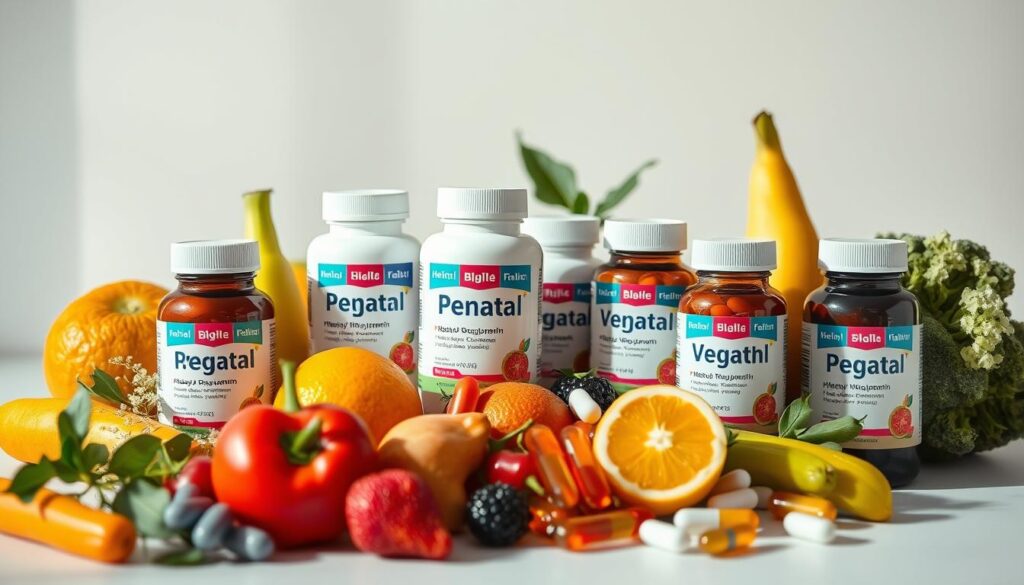
Choosing the right multivitamins can be tricky, especially prenatal ones for non-pregnant women. These specialized supplements may offer unexpected health perks. Knowing their unique nutrient makeup helps you choose wisely1.
Prenatal vitamins pack more essential nutrients like folic acid and iron. Adults typically need 400 mcg of folic acid daily. Those planning pregnancy might need 400 to 800 micrograms2.
These nutrient-rich supplements can fill gaps in your diet. They may boost overall wellness too1.
For some women, prenatal vitamins might offer extra benefits. They could improve skin, nail, and hair health. They may also help recovery from physical stress1.
Remember, your unique health needs should guide your supplement choices. It’s not a one-size-fits-all solution.
Key Takeaways
- Prenatal vitamins offer unique nutritional benefits beyond pregnancy
- Higher concentrations of folic acid and iron support overall health
- Supplements may improve skin, nail, and hair condition
- Consultation with healthcare professionals is recommended
- Individual nutritional needs vary widely
Understanding the Difference Between Prenatal and Regular Multivitamins
Prenatal and regular multivitamins differ greatly for women planning to conceive. Fertility vitamins are not one-size-fits-all. Their specialized formulations can significantly impact reproductive wellness.
Prenatal vitamins support women’s nutritional needs during pregnancy and ovulation. They contain higher concentrations of essential nutrients compared to standard multivitamins3.
Key Nutrient Composition Variations
Prenatal and regular multivitamins have different nutrient profiles:
- Folic Acid: Prenatal vitamins offer 400-800 mcg, crucial for neural tube development3
- Iron: Increased levels (27 mg) support maternal blood volume4
- Calcium: Higher concentrations to support fetal bone development4
Higher Concentrations of Essential Vitamins
Methylfolate benefits are crucial during pre-pregnancy planning. The specialized formulation provides targeted nutritional support:
| Nutrient | Prenatal Vitamin | Regular Multivitamin |
|---|---|---|
| Iodine | 220 mcg | 150 mcg |
| Vitamin D | 600 IU | 400 IU |
| DHA | 200 mg | Limited amounts |
Special Formulations for Women’s Health
Experts suggest switching to prenatal vitamins three months before conception. This ensures optimal nutritional preparation5. These specialized supplements provide comprehensive support for your reproductive journey.
Nutrition is the foundation of reproductive health. Choosing the right vitamins can make a significant difference in your pre-pregnancy wellness.
Prenatal Vitamins for Non-Pregnant Women: Uses and Benefits
Prenatal vitamins offer surprising benefits beyond pregnancy. They support overall wellness through targeted nutrient delivery. About 30% of women worldwide experience iron deficiency, which these vitamins can help address6.
These specialized supplements provide critical nutrients that support various aspects of women’s health:
- Boost iron levels to prevent anemia6
- Support bone density6
- Enhance immune system function6
- Regulate mood and cognitive performance6
Women with specific dietary needs gain extra benefits from prenatal vitamins. Vegetarians and vegans can supplement crucial nutrients often missing from their diets.
Those with MTHFR gene mutation can use specialized prenatal vitamins. These contain methylfolate for better nutrient absorption7.
Proper pre-pregnancy health starts with understanding your nutritional needs.
Essential nutrients found in prenatal vitamins include:
| Nutrient | Daily Recommended Amount |
|---|---|
| Folic Acid | 600mcg7 |
| Iron | 27mg7 |
| Calcium | 1000mg7 |
Always consult your healthcare provider before starting any new supplement regimen to ensure it meets your individual health needs.
Potential Risks and Safety Considerations
Reproductive Health Supplements need careful thought. Prenatal vitamins support Nutrient Deficiency Prevention. However, they may pose risks for non-pregnant women.
Know the side effects and safety rules before taking these supplements. Not all vitamins are the same. What’s good for pregnant women might not suit everyone.
Common Side Effects and Concerns
Prenatal vitamins can cause several side effects:
- Digestive discomfort, including nausea and constipation8
- Potential iron-related gastrointestinal issues8
- Possible interactions with existing medications
Recommended Dosages and Timing
Proper dosage helps lower risks. Intake varies, but generally includes:
- Folic acid: 400-800 mcg daily8
- Iron: Not exceeding 27 mg per day8
- Consultation with a healthcare provider for personalized guidance9
When to Avoid Prenatal Supplements
Some people should be careful or avoid prenatal vitamins:
- People with iron storage diseases9
- Individuals with specific liver or digestive conditions8
- Those experiencing unexplained medical symptoms
“Always consult your healthcare provider before starting any new supplement regimen.”
Remember, Nutrient Deficiency Prevention is important, but it should never come at the cost of your overall health.
Conclusion
Prenatal vitamins for non-pregnant women have complex nutritional effects. They’re not a cure-all for everyone. These supplements have specific nutrient profiles for pregnancy, which may cause unexpected reactions in others10.
Talk to your doctor before taking prenatal vitamins for pre-pregnancy health. Studies show these supplements can affect metabolism and nutrient levels differently10. Some research suggests they might influence weight and metabolic processes10.
Your personal nutritional needs should guide your supplement choices. Most healthy adults get enough nutrients from a balanced diet. When looking into prenatal vitamin research, remember that personalized medical advice is best11.
Professional guidance helps you make smart decisions about reproductive health supplements. These choices should fit your specific body needs. Prenatal vitamins can benefit non-pregnant women, but they’re not for everyone.
Your health journey is unique. Your nutrition plan should reflect that. Always seek expert advice for the best results.
FAQ
Are prenatal vitamins safe for non-pregnant women to take?
Prenatal vitamins aren’t usually recommended for non-pregnant women. They contain higher levels of nutrients like iron and folic acid. These could pose health risks if taken unnecessarily. Always talk to your doctor before starting any new supplements.
What makes prenatal vitamins different from regular multivitamins?
Prenatal vitamins have higher levels of nutrients crucial for pregnancy. They contain more folic acid, iron, calcium, DHA, iodine, and B-complex vitamins. These nutrients support fetal growth and maternal health during pregnancy.
Can prenatal vitamins help with fertility or pre-pregnancy health?
Yes, prenatal vitamins can support fertility and pre-pregnancy health. They provide essential nutrients like folic acid that prepare your body for pregnancy. These vitamins can address nutritional gaps and boost reproductive wellness.
What are the potential risks of taking prenatal vitamins when not pregnant?
Taking prenatal vitamins when not pregnant can lead to several risks. Iron overconsumption may cause constipation or nausea. Excessive folic acid intake can mask B12 deficiency.
High nutrient concentrations can be unnecessary for non-pregnant individuals. These vitamins may also disrupt thyroid function in some cases.
Are there any benefits of prenatal vitamins for non-pregnant women?
Prenatal vitamins may offer some benefits for non-pregnant women. They can help manage iron deficiency and improve skin, nail, and hair health. These vitamins might support overall nutrition and aid recovery from illness.
Women with dietary restrictions may benefit from additional nutrients. However, benefits vary by person. Always consult a doctor before taking prenatal vitamins.
How much folic acid should women take if not pregnant?
Adult women should take 400 mcg of folic acid daily. Women planning pregnancy might need up to 800 mcg daily. The maximum recommended dose is 1,000 mcg per day.
Prenatal vitamins often contain higher amounts. Choose supplements carefully to avoid excessive intake.
When should I consider taking prenatal vitamins?
Consider prenatal vitamins if you’re trying to conceive or have specific nutritional needs. They may be helpful while breastfeeding or if advised by a doctor. Seek medical guidance to determine if these vitamins suit your health needs.
Source Links
- Can You Take Prenatal Vitamins Without Being Pregnant? – https://roswellobgyn.org/blog/can-you-take-prenatal-vitamins-without-being-pregnant/
- Prenatal vitamins aren’t a beauty aid – https://www.mayoclinic.org/healthy-lifestyle/nutrition-and-healthy-eating/expert-answers/prenatal-vitamins/faq-20057922
- Prenatal vs Multivitamins: What to Know – https://www.naturemade.com/blogs/health-articles/prenatal-vs-multivitamins-what-to-know
- Vitamins and other nutrients during pregnancy – https://www.marchofdimes.org/find-support/topics/pregnancy/vitamins-and-other-nutrients-during-pregnancy
- Ritual – https://ritual.com/articles/taking-prenatal-vitamins-when-not-pregnant?srsltid=AfmBOooD4PD98BSA6IhGgUrJiWTU7GFUpYVnGwi-u44lFG0r5tB8msU0
- Can You Take Prenatal Vitamins Without Being Pregnant? – https://drbrighten.com/take-prenatal-vitamins-without-being-pregnant/
- Everything You Want to Know About Prenatal Vitamins (Whether You’re Pregnant or Not) – https://vpfw.com/blog/everything-you-want-to-know-about-prenatal-vitamins-whether-youre-pregnant-or-not/
- Is It Safe to Take Prenatal Vitamins if I’m Not Pregnant? – https://www.parents.com/benefits-and-safety-of-taking-prenatal-vitamins-when-not-pregnant-8549157
- Should You Take Prenatal Vitamins When You’re Not Pregnant? – https://perelelhealth.com/blogs/news/taking-prenatal-vitamins-when-not-pregnant?srsltid=AfmBOoqYXxx0-Sof4JWcYm1LdXJ-TW_6cx8kQPSpkoFygyxbGbV2IMg_
- Can You Take Prenatal Vitamins Without Being Pregnant? – https://urgentcareofkansas.com/prenatal-vitamins-without-being-pregnant/
- Pregnant women don’t need prenatal multivitamins, study concludes – https://www.statnews.com/2016/07/11/prenatal-supplement-unnecessary/

