
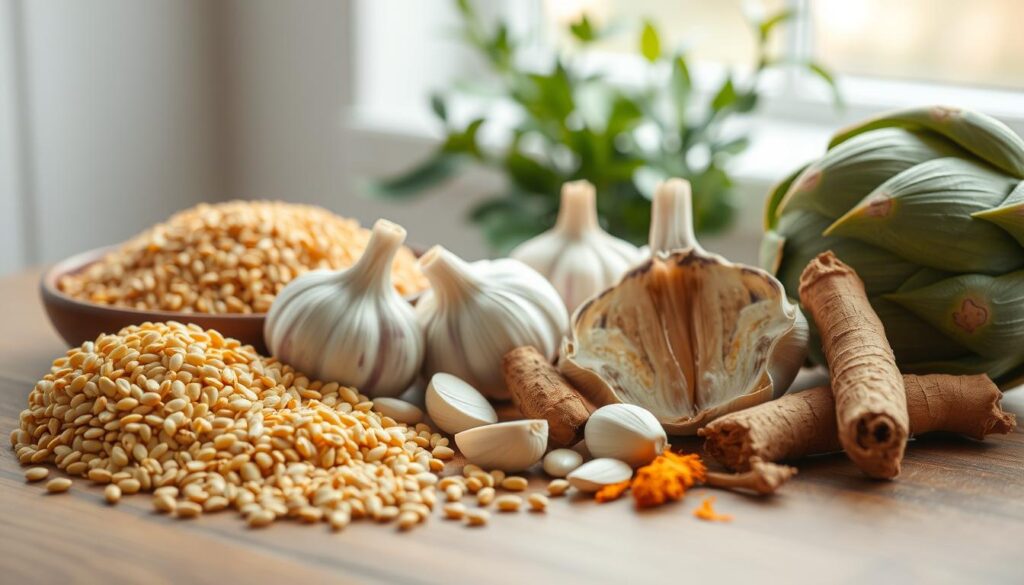
Natural cholesterol-lowering supplements can help support heart health. These supplements offer a promising way to manage cholesterol levels. They can reduce cholesterol and protect your body1.
Plant sterols and natural supplements are gaining attention for cholesterol management. They provide alternative strategies to traditional medications. These options focus on holistic approaches to cardiovascular health2.
Red yeast rice and other natural supplements may impact cholesterol levels. They offer hope for those seeking non-prescription approaches to heart health. Researchers have explored various natural options to regulate cholesterol1.
Key Takeaways
- Natural supplements offer alternative approaches to cholesterol management
- Plant sterols can help reduce LDL cholesterol levels
- Consulting healthcare professionals is crucial before starting any supplement regimen
- Lifestyle changes complement supplement effectiveness
- Some supplements may interact with existing medications
Understanding Cholesterol and Natural Treatment Options
Cholesterol is vital for your body’s health. Maintaining the right balance prevents heart disease. Learn about healthy levels and natural treatments to improve your heart health.
What Are Healthy Cholesterol Levels
Managing cholesterol means knowing ideal ranges for different types. Healthy cholesterol levels typically include:
- HDL (Good Cholesterol):
- Men: 40 mg/dL or higher
- Women: 50 mg/dL or higher
- LDL (Bad Cholesterol): Around 100 mg/dL
- Total Cholesterol: Approximately 150 mg/dL
- Triglycerides: Below 150 mg/dL
Why Consider Natural Cholesterol Treatment
Natural treatments offer a holistic approach to heart health. Some supplements can help maintain healthy cholesterol levels3:
- Garlic can lower total cholesterol by a few percentage points3
- Whey protein supplements reduce LDL and total cholesterol3
- Fiber supplements help lower overall cholesterol levels3
- Phytosterols interfere with cholesterol absorption3
Role of Diet and Exercise for Cholesterol
Your diet and exercise for cholesterol management greatly impact heart health4:
| Strategy | Cholesterol Impact |
|---|---|
| Omega-3 Fatty Acids | Reduce heart disease risk and lower triglycerides |
| Soluble Fiber | Reduce cholesterol absorption |
| Regular Exercise | Raise HDL (good) cholesterol levels |
“Your lifestyle choices are powerful tools in managing cholesterol naturally.”
Use these natural strategies to maintain good cholesterol levels. Your heart will thank you for taking these proactive steps34.
Most Effective Cholesterol-Lowering Supplements
Several powerful supplements can help manage cholesterol naturally. These options offer alternative strategies for maintaining cardiovascular health. Let’s explore some effective choices for keeping your lipid levels in check.
Psyllium Husk is a top-notch soluble fiber supplement. Studies show it can lower LDL cholesterol in just eight weeks. Take about 10 grams daily for best results5.
- Niacin: A potent vitamin B3 supplement that can dramatically improve cholesterol profiles5:
- Lowers total cholesterol by 25%
- Reduces LDL cholesterol by 10-15%
- Decreases triglycerides by 20-50%
- Increases HDL cholesterol by 15-35%
- Fish Oil: Packed with omega-3 fatty acids that support heart health5:
- Recommended daily intake: 2-4 grams
- Helps lower triglycerides
- Increases HDL cholesterol levels
Garlic Supplements offer a natural way to manage cholesterol. While effects are modest, they boost overall heart health. Artichoke Extract has shown promise in clinical trials5.
“Natural supplements offer a complementary approach to traditional cholesterol management strategies.” – Cardiovascular Research Institute
Berberine stands out as an impressive supplement for cholesterol control. A 2016 study showed significant improvements after three months. Taking 300 mg three times daily can boost HDL and lower other cholesterol markers5.
These supplements show promise for managing cholesterol. However, they shouldn’t replace prescribed medications or lifestyle changes. Always talk to your doctor before starting any new supplement routine.
Safety Considerations and Potential Side Effects
Cholesterol supplement safety is vital for your health. Different supplements can affect your body in various ways. It’s crucial to approach natural cholesterol management carefully6.
Supplement side effects can vary widely. Here are some key considerations:
- Berberine may cause digestive discomfort
- Fish oil supplements might produce a fishy aftertaste
- Garlic supplements could lead to bad breath
- Niacin might trigger skin itching and flushing
Drug interactions are crucial for cholesterol supplement safety. Some supplements can alter medication effectiveness or cause unexpected reactions7.
“Always consult your healthcare provider before starting any new supplement regimen”
Some specific interaction risks include:
- Blood thinners may react with fish oil or garlic supplements
- Statins could have complex interactions with various cholesterol supplements
- Certain medications might reduce the effectiveness of natural cholesterol treatments
Red yeast rice products need special attention. They may have contamination risks and muscle-related side effects. Your health profile determines which supplements are safest for you6.
Conclusion
Natural cholesterol-lowering supplements can help improve your heart health. Research shows plant sterols, soluble fiber, and herbal extracts can manage cholesterol levels effectively. Understanding supplement effectiveness is key to making smart choices for your cardiovascular wellness.
Combine dietary supplements with lifestyle changes for better results. Red yeast rice, green tea extract, and omega-3s may lower LDL cholesterol. Some studies show these supplements can reduce cholesterol by 5% to 25%89.
Always consult your doctor before starting any supplement regimen. They can help create a plan that fits your unique health needs. Remember, supplement effects vary for each person10.
Monitor your progress regularly for successful cholesterol management. Focus on a well-rounded approach. This includes balanced nutrition, regular exercise, and carefully chosen supplements.
FAQ
What is cholesterol, and why should I be concerned about its levels?
Cholesterol is a fat-like substance vital for your body’s functions. High levels can increase your risk of heart disease. Healthy cholesterol levels vary for men and women.
For men, HDL should be at or above 40 mg/dL. For women, it should be 50 mg/dL or higher. LDL should be around 100 mg/dL. Total cholesterol should be about 150 mg/dL.
Are natural supplements effective for lowering cholesterol?
Many natural supplements can help manage cholesterol levels. Berberine, fish oil, flaxseed, and garlic show potential in reducing LDL cholesterol. Niacin and plant sterols also support overall heart health.
What are the most effective natural cholesterol-lowering supplements?
Berberine may reduce LDL cholesterol and triglycerides. Fish oil can lower triglycerides, while niacin improves cholesterol profiles. Plant stanols and sterols may reduce LDL cholesterol.
Red yeast rice has shown effectiveness but faces regulatory challenges.
Are there any safety concerns with cholesterol-lowering supplements?
Yes, each supplement can have potential side effects. Berberine may cause digestive issues. Fish oil can lead to a fishy aftertaste. Garlic supplements might cause bad breath.
Niacin can cause itching and flushing. Always consult a healthcare provider before starting any supplement regimen.
How do natural supplements compare to prescription medications?
Natural supplements are often considered alternatives to prescription medications. Their effectiveness can vary, and they aren’t regulated as strictly as medications. The best approach combines diet, exercise, and carefully chosen supplements under medical supervision.
Can diet and exercise help manage cholesterol levels?
Yes! Diet and exercise are proven ways to reduce cholesterol. Focus on fiber-rich foods, omega-3 fatty acids, and plant compounds. These changes can be more effective than supplements alone in managing cholesterol levels.
How long does it take to see results from cholesterol-lowering supplements?
Results can vary depending on the supplement, your health, diet, and lifestyle. You might start seeing changes in 4-12 weeks. Regular check-ups with your healthcare provider are important to monitor progress.
Are there any supplements I should avoid?
Red yeast rice requires caution due to potential citrinin contamination. It may also cause muscle-related side effects. Some supplements may interact with medications, especially blood thinners.
Always discuss your supplement use with a healthcare professional before starting any new regimen.
Source Links
- Cholesterol-lowering supplements may be helpful – https://www.mayoclinic.org/diseases-conditions/high-blood-cholesterol/in-depth/cholesterol-lowering-supplements/art-20050980
- 8 Supplements That Lower Cholesterol – https://www.health.com/condition/cholesterol/cholesterol-lowering-supplements-what-works-what-doesnt
- Alternative Treatments for High Cholesterol – https://www.webmd.com/cholesterol-management/high-cholesterol-alternative-therapies
- Can lifestyle changes benefit your cholesterol? – https://www.mayoclinic.org/diseases-conditions/high-blood-cholesterol/in-depth/reduce-cholesterol/art-20045935
- 8 supplements to lower cholesterol – https://www.singlecare.com/blog/supplements-to-lower-cholesterol/
- Statin side effects: Weigh the benefits and risks – https://www.mayoclinic.org/diseases-conditions/high-blood-cholesterol/in-depth/statin-side-effects/art-20046013
- Cholesterol Lowering Drugs & Supplements: Benefits, Side Effects – https://www.healthline.com/health/heart-disease/cholesterol-lowering-drugs
- Best supplements for lowering cholesterol – https://www.medicalnewstoday.com/articles/cholesterol-lowering-supplements
- Supplements to Lower Cholesterol: A Comprehensive Guide – https://avicennacardiology.com/blog/supplements-to-lower-cholesterol/
- LDL-cholesterol lowering effect of a new dietary supplement: an open label, controlled, randomized, cross-over clinical trial in patients with mild-to-moderate hypercholesterolemia – https://pmc.ncbi.nlm.nih.gov/articles/PMC5968477/

