
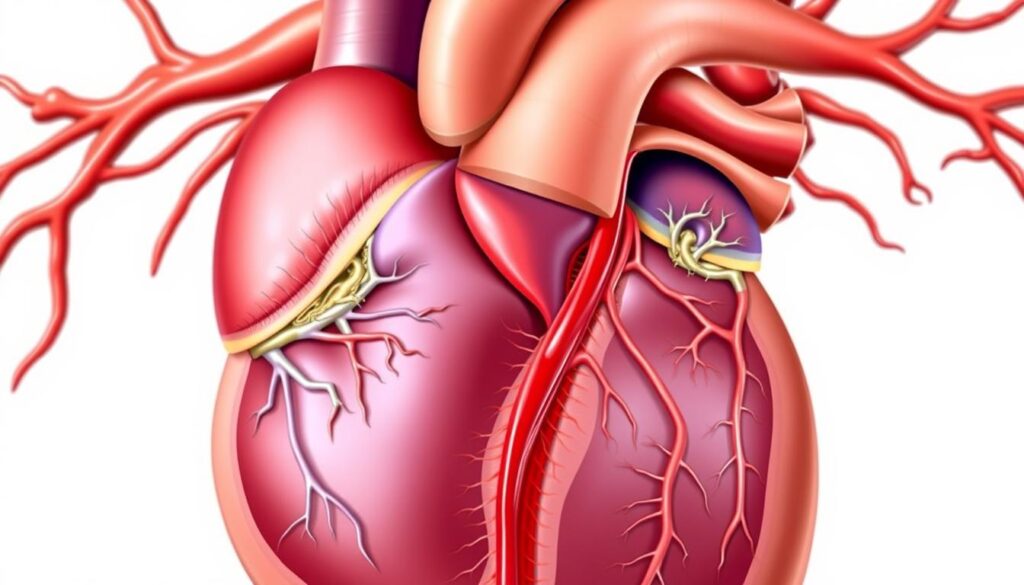
Coarctation of the Aorta is a rare congenital heart defect. It affects the aorta’s structure, causing narrowing that impacts heart function. Understanding this condition is crucial for effective management and long-term care1.
This significant heart defect occurs in about 4 per 10,000 live births1. It involves a specific narrowing of the aorta, typically near the ductus arteriosus. If left untreated, it can create serious cardiovascular challenges.
Advances in medical diagnosis and treatment have greatly improved outcomes. Your healthcare team can provide comprehensive support to manage this condition effectively. With proper care, many people with Coarctation of the Aorta lead healthy lives.
Key Takeaways
- Coarctation of the Aorta is a rare congenital heart defect
- Early detection is crucial for successful management
- Multiple diagnostic tests can identify the condition
- Treatment options vary based on severity and age
- Lifelong medical monitoring is essential
- Many individuals with this condition lead normal lives
- Genetic factors play a role in development
Understanding Coarctation of the Aorta
Coarctation of the aorta is a rare heart defect. It narrows the body’s main blood vessel. This condition can seriously affect heart function and overall health2.
What Causes Coarctation of the Aorta
The exact cause of aortic narrowing isn’t fully known. Genetics play a big role. Doctors think it happens during fetal growth.
Possible factors include:
- Genetic predisposition
- Abnormal aorta development
- Potential extension of ductal tissue
Common Symptoms and Warning Signs
Symptoms vary based on how severe the condition is. Here are some key signs:
- Rapid pulse
- Persistent fatigue
- Breathing difficulties
- High blood pressure in upper body regions3
Risk Factors and Associated Conditions
| Risk Factor | Potential Impact |
|---|---|
| Maternal Diabetes | Increases likelihood of congenital heart defects |
| Prenatal Infections | Can trigger developmental complications |
| Genetic Conditions | Associated with higher risk of aortic narrowing |
Kids with coarctation need ongoing medical care. Regular visits to a heart doctor are crucial. These check-ups help track progress and manage possible issues2.
Early detection and proper management can significantly improve long-term outcomes for individuals with this heart condition.
In the U.S., about 1 in 1,712 babies are born with this heart problem3. Learning about it helps families handle health challenges better.
Diagnosis and Treatment Options
Diagnosing coarctation of the aorta involves multiple medical assessments. Doctors start with a physical exam and medical history at specialized heart centers. This heart defect affects 4-6% of babies born with heart conditions4.
Treatment options depend on the patient’s age and condition severity. Balloon angioplasty works well for infants between one and six months4.
Surgical approaches for aortic repair include:
- Resection with end-to-end anastomosis
- Subclavian flap aortoplasty
- Bypass graft repair
| Treatment Method | Age Group | Success Rate |
|---|---|---|
| Surgical Repair | Infants | 98% survival rate4 |
| Balloon Angioplasty | 1-6 months | High success rate |
| Stent Placement | Over 25 kg | Reduces complications4 |
Early intervention is crucial for managing coarctation and preventing long-term complications.
Stent placement after surgery can improve outcomes4. It’s not recommended for patients under 25 kg due to injury risks. Lifelong follow-up is key to monitor blood pressure and potential recurrence.
Conclusion
Early detection and proper care are key for a positive coarctation prognosis. With good management, patients can lead fulfilling lives. Modern medicine has greatly improved survival rates, offering hope for a full life56.
Regular check-ups with a heart specialist are vital. Keep track of your blood pressure and stay active as recommended. Address any issues early on. The Mayo Clinic offers effective care strategies for managing your condition5.
Women planning pregnancy should talk to their doctors about potential risks. Your medical team can help create a personalized care plan. Consistent medical supervision is crucial for your health6.
By committing to a heart-healthy lifestyle, you can reduce risks. This approach allows you to enjoy an active and vibrant life despite your condition.
FAQ
What is Coarctation of the Aorta?
Coarctation of the aorta is a birth defect where part of the aorta is too narrow. It usually happens near the ductus arteriosus, limiting blood flow through the body’s main artery. This condition affects about 5-8% of all heart defects at birth.
What are the Common Symptoms of Coarctation of the Aorta?
Symptoms vary based on how severe the condition is. You might have a fast pulse, feel tired, or have trouble breathing. High blood pressure in the upper body is also common.
Some people don’t show signs until later in life. Others might have noticeable symptoms during childhood or infancy.
How is Coarctation of the Aorta Diagnosed?
Doctors use several methods to diagnose this condition. They perform physical exams, check blood pressure, and use imaging tests. These tests may include echocardiograms, CT angiograms, and cardiac MRIs.
These tools help doctors see how narrow the aorta is. They also show how the narrowing affects blood flow.
What Treatment Options are Available?
Treatment depends on your age and how serious the condition is. Options include medicine, balloon angioplasty with stenting, and surgery. Surgical methods vary based on individual needs.
Your heart doctor will suggest the best approach for you. They’ll consider your specific case when making recommendations.
Are There Any Associated Conditions?
Yes, coarctation of the aorta can occur with other heart problems. These may include bicuspid aortic valve and ventricular septal defect. It’s also linked to Turner syndrome.
Risk factors may include a mother’s diabetes or rubella during pregnancy. Certain medications can also increase risk.
What is the Long-Term Outlook?
With proper care, many patients can lead normal, active lives. However, lifelong check-ups with a heart specialist are crucial. You’ll need to stay healthy and watch your blood pressure.
Be aware of potential complications. Regular medical care helps manage risks effectively.
Can People with Coarctation of the Aorta Have Children?
Many people with treated coarctation can have successful pregnancies. However, it’s vital to talk about risks with your doctor. A thorough evaluation and ongoing medical care are essential.
These steps help ensure the best possible outcomes for both parent and child.
How Can I Manage the Condition?
Managing coarctation involves regular check-ups and a healthy lifestyle. Controlling blood pressure and following your doctor’s advice are key. You may need medication or lifestyle changes.
Additional treatments might be necessary to manage ongoing heart risks. Your specialist will guide you through the process.
Source Links
- Coarctation of the Aorta: Diagnosis and Management – https://pmc.ncbi.nlm.nih.gov/articles/PMC10340190/
- About Coarctation of the Aorta – https://www.cdc.gov/heart-defects/about/coarctation-of-the-aorta.html
- Coarctation of the aorta: MedlinePlus Medical Encyclopedia – https://medlineplus.gov/ency/article/000191.htm
- Current management of coarctation of the aorta – https://pmc.ncbi.nlm.nih.gov/articles/PMC4710863/
- Coarctation of the aorta in adults: what is the best treatment? Case report and literature review – https://pmc.ncbi.nlm.nih.gov/articles/PMC3124275/
- Coarctation of the Aorta – https://www.chp.edu/-/media/chp/departments-and-services/heart/documents/coarctation-review-article.pdf

