
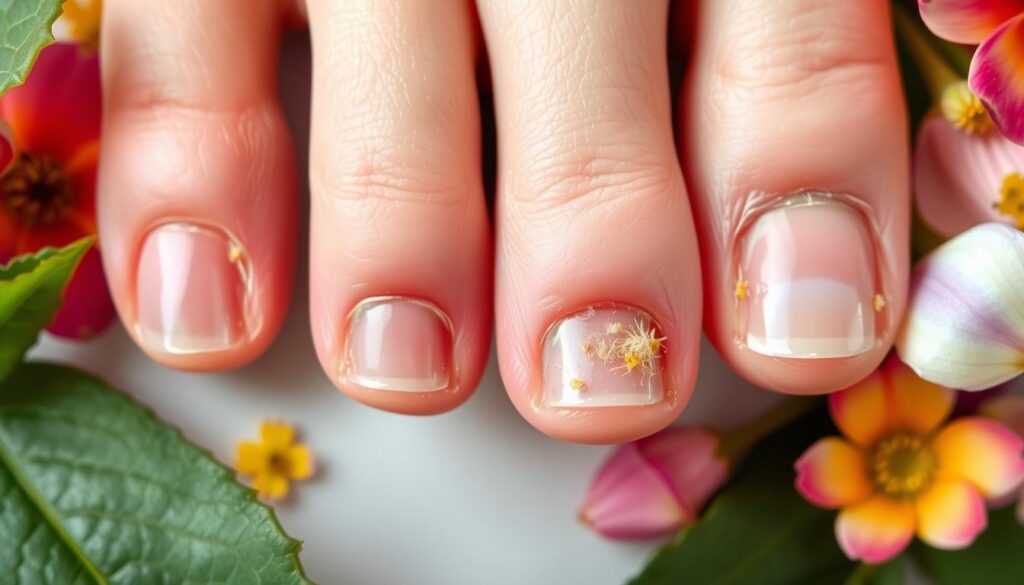
Struggling with thick or discolored nails? Nail fungus is more than just a beauty issue. It affects up to 20% of people, causing frustration and discomfort1.
This stubborn infection thrives on keratin, the main component of nails and skin1. Dermatophytes, tiny organisms, are the main culprits behind most nail fungus infections1.
These microbes enter through small cuts in your nails. They turn a minor issue into a lasting problem. While not usually dangerous, nail fungus can be embarrassing.
Common treatments often don’t work well. Home remedies like bleach or vinegar rarely solve the problem1. Topical and oral medications may have side effects1.
But there’s hope. New nail fungus treatments now offer better chances for clear, healthy nails.
Key Takeaways
- Nail fungus affects up to 20% of the population
- Dermatophytes are the primary cause of nail infections
- Traditional home remedies often fail to resolve fungal issues
- Modern treatments provide more effective solutions
- Nail fungus can impact both appearance and comfort
Understanding Nail Fungus (Hongos en las Uñas): Causes and Risk Factors
Nail fungus is a stubborn condition affecting nail health and overall well-being. It impacts up to 14% of people, making it a common concern2. Knowing the causes and risk factors can help prevent nail fungus effectively.
Common Causes of Fungal Infections
Dermatophytes are the main culprits behind nail fungus. Various fungi can invade your nails, causing infections. Trichophyton mentagrophytes often causes white superficial onychomycosis, affecting the top toenail layers2.
Yeast infections like Candida can also trigger nail fungus. These are especially common in people with certain health conditions2.
Who is Most at Risk
Some groups are more likely to get nail fungus infections. Risk factors include:
- Older age
- Diabetes
- Weakened immune system
- History of athlete’s foot
- Chronic skin conditions
People with poor circulation face higher risks of nail fungus. Those taking immunosuppressant medications are also more susceptible3.
Environmental Factors Contributing to Infection
Your surroundings play a big role in nail fungus diagnosis and prevention. Key environmental triggers include:
| Environmental Factor | Infection Risk |
|---|---|
| Damp public areas | High |
| Tight, non-breathable shoes | Moderate to High |
| Shared personal items | High |
“Prevention is always better than cure when it comes to nail fungus infections.”
Going barefoot in locker rooms, pools, or shared showers increases infection risk. Good hygiene and protective measures can help reduce these risks3.
Recognizing the Signs and Symptoms of Toenail Fungus
Nail fungus can sneak up on you quietly. It’s a common issue, especially for toenails. Knowing the early signs helps catch and treat it quickly.
Look out for these nail fungus symptoms:
- Discoloration of the nail (white, yellow, or brown)
- Thickening or distortion of nail shape
- Brittle or crumbly nail texture
- Separation of nail from the nail bed
- Dull or cloudy appearance
Men get nail fungus more often than women4. The risk goes up after age 605. Certain factors can make you more susceptible to these infections.
“Early detection is crucial in preventing the spread of nail fungus”
Your risk of nail fungus increases if you:
- Have diabetes or a weakened immune system4
- Frequently wear tight or sweaty shoes
- Have recently experienced a nail injury
- Live with someone who has a fungal infection4
Nail fungus affects 2 to 14 percent of people. Experts think the real number is higher5. If you see lasting nail changes, get a professional diagnosis.
Treatment Options: From UV Light Therapy to Medications
Nail fungus treatments have come a long way. They now offer various approaches to restore nail health. Knowing your options helps you choose the best treatment for your condition6.
UV Light Treatment: A Modern Approach
UV light therapy is a powerful alternative to traditional medications. It effectively destroys fungal spores and prevents reinfection6. Treatments are short, lasting seconds to minutes.
Most patients see major improvements within weeks7. This method has quickly gained popularity among those seeking effective nail fungus solutions.
- FDA-approved laser treatments since 2010
- Painless procedure requiring no anesthesia
- Typically completed in 15 minutes
Prescription and Over-the-Counter Solutions
Your nail fungus cure plan might include several approaches. Over-the-counter remedies like topical antifungal treatments can be effective6. Oral supplements such as terbinafine are also helpful options.
| Treatment Type | Duration | Effectiveness |
|---|---|---|
| UV Light Therapy | 2-3 weeks | High |
| Oral Medications | 4-6 months | Moderate to High |
| Topical Treatments | 3-4 months | Moderate |
Treatment Effectiveness and Duration
Nail fungus treatments vary in effectiveness. Toenails grow approximately 1mm per month, so full recovery takes 4-6 months7.
Natural remedies like tea tree oil might offer added support. However, their effectiveness is still uncertain6.
Patience and consistent treatment are key to successfully addressing nail fungus.
Conclusion
Nail fungus prevention is vital for healthy nails. Onychomycosis affects many people, especially older adults. The risk increases with age, reaching up to 35% in seniors8.
Your cure strategy should focus on early detection and treatment. UV light therapy and antifungal medications can effectively address the infection9. Fungal infections can spread between nails, causing thickening and crumbling9.
Good foot hygiene and breathable shoes help prevent nail fungus. Avoiding damp environments is also crucial. Dermatophytes cause most nail infections8.
Keep your nails clean and dry to reduce your risk. Ask healthcare professionals about personalized treatment options. Stay informed and proactive to keep your nails healthy and attractive.
FAQ
What is nail fungus?
Nail fungus, or onychomycosis, is a common condition affecting nails. It causes them to become thick, brittle, and discolored. This infection often starts on the big toe and can spread to other nails.
What causes nail fungus?
Dermatophytes or yeast infecting the skin beneath the nail cause nail fungus. Risk factors include poor hygiene, aging, and genetics. Underlying medical conditions, weakened immune systems, and exposure to damp areas also increase risk.
What are the typical symptoms of nail fungus?
Symptoms include nail discoloration, darkening, and white spots. Nails may become dull, smelly, or separate from the nail bed. The nail shape can distort, becoming brittle or crumbly.
The surrounding skin might become inflamed, patchy, or scaly.
How can I prevent nail fungus?
Maintain good foot hygiene and wear breathable shoes. Use moisture-wicking socks and avoid walking barefoot in public areas. Keep feet clean and dry, change socks often, and use antifungal products if prone to infections.
What treatment options are available?
Treatment options include UV light therapy, oral medications, and topical solutions. UVB narrowband phototherapy effectively kills fungal spores without damaging nails. Over-the-counter remedies include antifungal creams and nail lacquers.
Severe cases may require prescription medications for effective treatment.
How long does nail fungus treatment typically take?
Treatment duration varies based on the method and infection severity. UV light therapy may take weeks, while other treatments can last months. Individual health factors also affect the timeline for full effectiveness.
Who is most at risk for nail fungus?
People with diabetes, weakened immune systems, or nail injuries are at higher risk. Those with foot deformities, poor circulation, or existing fungal infections are also susceptible. Older adults, athletes, and frequent pool or gym users face increased risk.
Can nail fungus spread to other nails or people?
Nail fungus can spread to other nails and people through direct contact. Shared items like towels, shoes, or nail tools can also transmit the infection. Practice good hygiene and avoid sharing personal items to reduce transmission risk.
Source Links
- Laser Therapy For Toenail Fungus With Our Albuquerque Podiatrist – https://www.nmfootandankle.com/practice_areas/laser-for-toenail-fungus.cfm
- Have a Toenail Fungus? How to Tell and What to Do – https://www.verywellhealth.com/types-of-toenail-fungus-7555134
- Nail fungus – Symptoms and causes – https://www.mayoclinic.org/diseases-conditions/nail-fungus/symptoms-causes/syc-20353294
- What Are Fungal Nail Infections? – https://www.webmd.com/skin-problems-and-treatments/fungal-nail-infections
- Treating Onychomycosis – https://www.aafp.org/pubs/afp/issues/2001/0215/p663.html/1000
- TOENAIL FUNGUS: How to Treat Toenail Fungus With UV Light – https://uvtreat.com/treat-toenail-fungus-with-uv-light/?srsltid=AfmBOor6Wj_VVWYMbcWpQgzWgFU7-OOi4o-WHeERZ–h6lk8c1fIXtDa
- Toenail Fungus Treatment Laser – Beaver Valley Foot Clinic – https://bvfootclinic.com/toenail-fungus-treatment-laser/
- Onychomycosis: An Updated Review – PMC – https://pmc.ncbi.nlm.nih.gov/articles/PMC7509699/
- Hongo de uñas – https://www.apollohospitals.com/es/diseases-and-conditions/nail-fungus/

