
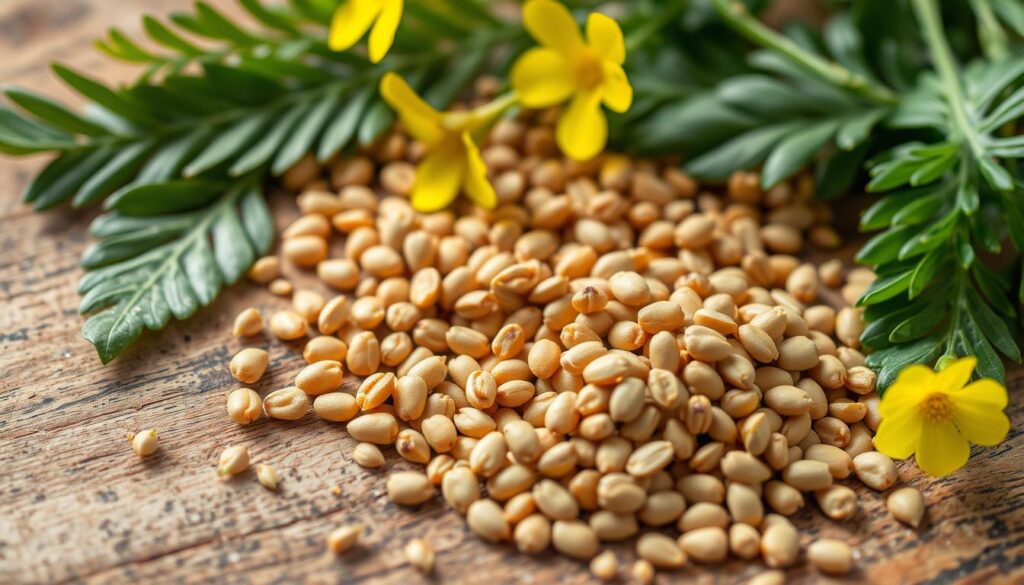
Fenugreek, an ancient herb, has caught the eye of health buffs and scientists. This botanical gem offers amazing potential for wellness and nutrition.
Fenugreek seeds pack a nutritional punch. One tablespoon contains 35 calories, 3g of fiber, and 3g of protein. It also has 6g of carbs and just 1g of fat1.
These tiny seeds are mineral-rich too. A tablespoon provides 21% of the Daily Value of iron. It also offers 6% of manganese and 5% of magnesium1.
Research has revealed exciting uses for fenugreek. It may boost breast milk production and improve testosterone levels in men1. This versatile herb keeps surprising both doctors and health-conscious folks.
Key Takeaways
- Fenugreek seeds are a nutrient-dense superfood
- Rich in essential minerals like iron, manganese, and magnesium
- Potential benefits for hormonal and metabolic health
- Versatile herb with multiple traditional and modern applications
- Supports overall wellness through natural nutritional support
Understanding Fenugreek: Origins and Characteristics
Fenugreek is a fascinating herb with a rich history. Its remarkable properties have captured attention worldwide. Let’s explore what makes this extraordinary plant so unique.
What Makes Fenugreek Unique
Fenugreek is an extraordinary botanical specimen with distinctive characteristics. This annual legume originated in the Mediterranean region. It has played a significant role in traditional medicine and culinary practices2.
Its unique properties include:
- Rich in essential nutrients
- Versatile medicinal applications
- Distinctive flavor profile
Botanical Features and Growing Conditions
Fenugreek cultivation requires specific environmental conditions. The plant thrives in tropical and subtropical climates. It prefers mild winters and well-drained soils3.
Its botanical features include:
- Long cylindrical stems
- Trifoliate leaves
- White to yellowish-white flowers
Historical and Cultural Significance
Fenugreek’s history spans thousands of years. Its use dates back to ancient civilizations2. This remarkable plant has a fascinating journey through time.
| Time Period | Cultural Use |
|---|---|
| 4,000 BC | Early cultivation in Mediterranean regions |
| Ancient Egypt | Medicinal and culinary applications |
| Modern Era | Pharmaceutical and nutritional supplement |
Fenugreek contains unique compounds like saponin diosgenin. This compound is used in making progesterone and oral contraceptives2. Its potential health benefits continue to intrigue researchers and health enthusiasts.
“Fenugreek is not just an herb, but a bridge connecting ancient wisdom with modern scientific understanding.” – Traditional Herbal Medicine Expert
Fenugreek boasts an impressive nutritional profile and historical significance. It remains a remarkable plant that continues to benefit humanity in numerous ways.
The Nutritional Powerhouse of Fenugreek
Fenugreek is a herb packed with exceptional nutritional value. It’s a treasure trove of essential nutrients that support overall health. This remarkable plant can transform your diet in amazing ways.
Essential Vitamins and Minerals
Fenugreek’s impressive nutrient profile can benefit your body tremendously. The seeds are rich in critical vitamins and minerals. These nutrients promote optimal health4.
- Iron for blood health
- Magnesium for muscle function
- Manganese for metabolism
- Copper for cellular processes
- Vitamin B6 for brain development
Protein and Fiber Content
Fenugreek protein is an outstanding plant-based protein source. It can enhance your nutritional intake4. The seeds contain a remarkable amount of dietary fiber.
This fiber is particularly beneficial for digestive health5. Fenugreek fiber plays a crucial role in several body functions.
- Regulating blood sugar levels
- Promoting digestive wellness
- Supporting weight management
“Fenugreek seeds are nature’s nutritional powerhouse, offering a comprehensive blend of essential nutrients.” – Nutrition Expert
Beneficial Fatty Acids Profile
Fenugreek’s lipid composition includes heart-healthy unsaturated fatty acids. These fats contribute to its overall nutritional value. These fatty acids support cardiovascular health and provide essential energy.
Adding fenugreek to your diet can boost your health. It’s a natural, nutrient-dense food that supports many aspects of wellness.
Health Benefits and Therapeutic Applications
Fenugreek offers powerful health benefits as an herbal supplement. It supports various aspects of wellness, making it a remarkable addition to your health routine6.
Fenugreek has an impressive range of therapeutic uses. It shows potential in managing health conditions through targeted nutritional support.
- Blood Sugar Management: Fenugreek supplements can help decrease fasting blood sugar levels6
- Cholesterol Regulation: Reduces total cholesterol, particularly beneficial for individuals with diabetes6
- Hormonal Balance: Increases testosterone levels in men aged 35-656
Fenugreek may boost your reproductive and metabolic health. Studies show it can increase breastmilk production and ease menstrual cramp pain6.
| Health Benefit | Potential Impact |
|---|---|
| Blood Sugar Control | Decreased fasting glucose levels |
| Cholesterol Management | Reduced total cholesterol |
| Hormonal Support | Testosterone level enhancement |
Fenugreek: Nature’s multifaceted approach to holistic wellness
Moderation is crucial when using fenugreek for health benefits. Experts suggest taking up to 21g daily for best results6.
Conclusion
Fenugreek research reveals this herb’s impressive health benefits. Studies show it helps manage blood sugar and boosts sexual health78. Explore fenugreek’s many uses in nutrition and medicine to expand your knowledge.
Fenugreek cultivation has a bright future. Studies show it improves testosterone levels and sperm count8. Researchers are eager to explore how this herb can boost overall wellness.
More studies are needed to fully grasp fenugreek’s potential. Stay updated on new research that may uncover more uses. Learn more about fenugreek’s health perks on Medical News Today7.
Fenugreek stands out among natural remedies. It offers many health benefits worth exploring. Ongoing research promises to uncover even more about this remarkable herb8.
FAQ
What is Fenugreek?
Fenugreek is an ancient medicinal herb from the Fabaceae family. Its scientific name is Trigonella foenum-graecum L. This versatile plant has been used since 4000 BC.
Fenugreek is grown commercially in India, Pakistan, Egypt, and Argentina. It’s known for its nutritious seeds and potential health benefits.
What are the primary health benefits of Fenugreek?
Fenugreek offers many health benefits. It helps control blood sugar and reduce cholesterol. The herb also increases breastmilk production and may boost testosterone levels.
Fenugreek supports digestive health and reduces inflammation. It can help with appetite control and address various men’s and women’s health issues.
What nutrients are found in Fenugreek seeds?
Fenugreek seeds are packed with nutrients. They contain 42.3% carbohydrates, 25.4% protein, and 7.9% fats. The seeds are rich in fiber, making up to 50% of their composition.
They provide vitamins A, B1, B2, and C. Minerals like iron, calcium, and zinc are also present. The seeds contain beneficial unsaturated fats, including oleic, linolenic, and linoleic acids.
How is Fenugreek typically used?
Fenugreek can be used in many ways. It’s available as a dietary supplement, spice, or herb. You can find it in seeds, powder, or capsule form.
The herb is popular in Indian and Middle Eastern cuisines. It’s also used in traditional medicine and as a natural remedy.
Are there any side effects of using Fenugreek?
Fenugreek is generally safe, but it can cause some side effects. These may include digestive issues and mild diarrhea. Some people might have allergic reactions.
Diabetics should watch their blood sugar when using Fenugreek. It can interact with diabetes medications. Always consult a doctor before starting any new supplement.
Where is Fenugreek grown?
Fenugreek thrives in tropical and subtropical regions. Major producers include India, Pakistan, Egypt, and Argentina. It can grow in dry grasslands and on hillsides.
The plant is moderately tolerant to drought and salinity. It takes 4-7 months to mature and prefers mild winter climates.
How long has Fenugreek been used in traditional medicine?
Fenugreek has been used in traditional medicine since 4000 BC. Egyptian medicine documented its use around 1500 BC in the Ebers Papyrus.
For thousands of years, various cultures have valued Fenugreek. It has been a key component in traditional medicine systems worldwide.
Source Links
- Fenugreek: An Herb with Impressive Health Benefits – https://www.healthline.com/nutrition/fenugreek
- Fenugreek Plant History – https://www.gardeningknowhow.com/tbt/fenugreek-plant-history
- Fenugreek – https://en.wikipedia.org/wiki/Fenugreek
- Benefits of Fenugreek Seeds: A Nutritional Powerhouse – https://www.linkedin.com/pulse/benefits-fenugreek-seeds-nutritional-powerhouse-okeo-organics-llp-adeff?trk=organization_guest_main-feed-card_feed-article-content
- Fenugreek Microgreens Nutrition: The Nutritional Powerhouse and Essential Information for Health Enthusiasts – https://microgreensworld.com/fenugreek-microgreens-nutrition/
- Health Benefits of Fenugreek – https://www.health.com/nutrition/fenugreek-benefits
- Fenugreek May Improve Sexual Health and Stabilize Blood Sugar – https://www.verywellhealth.com/benefits-of-fenugreek-88686
- Fenugreek: Benefits and effects – https://www.medicalnewstoday.com/articles/324334

