
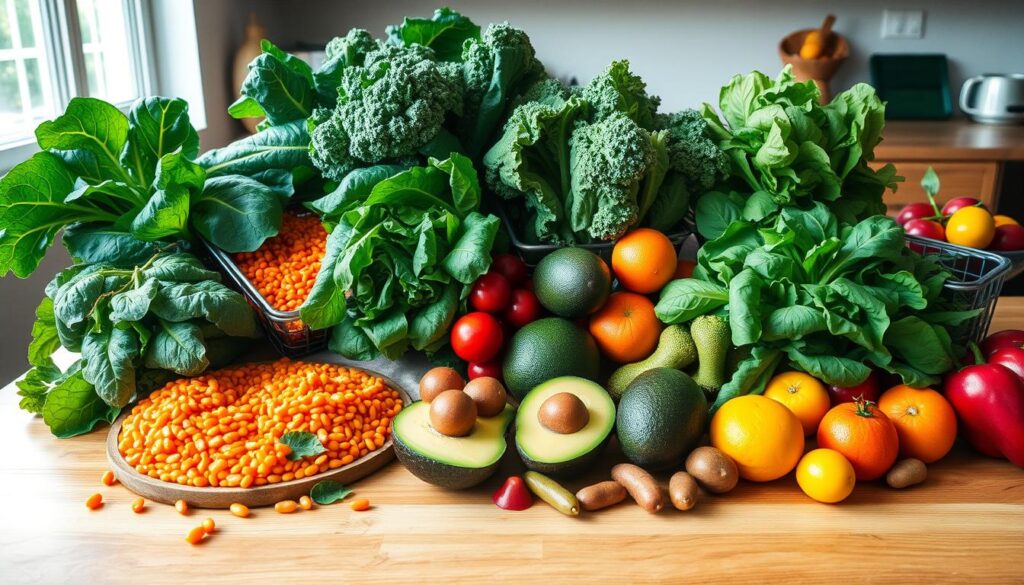
Vitamin B9, also known as folate, is a superhero nutrient crucial for your body. It supports DNA synthesis and boosts red blood cell production. This essential nutrient plays a vital role in your overall well-being1.
Did you know that 30-40% of people might have a genetic variation affecting folate processing? This makes understanding folate-rich foods even more important1. Your diet can be a powerful tool in maintaining health.
The human body needs folate for cell division, DNA formation, and hormone balance1. Folate supports pregnancy, boosts energy, and maintains overall health2.
Key Takeaways
- Folate is essential for DNA synthesis and cell production
- 30-40% of people may have genetic variations affecting folate processing
- Daily intake varies by age and life stage
- Nutrient-rich foods are the best source of vitamin B9
- Folate supports multiple body functions beyond basic nutrition
Understanding Folate: Essential Nutrient for Optimal Health
Folate is a crucial water-soluble B vitamin for your body’s best function. This powerful nutrient supports many biological processes essential for your health. It’s key to keeping you in top shape3.
The Difference Between Folate and Folic Acid
Folate and folic acid aren’t exactly the same. Folate is the natural form of vitamin B9 in foods. Folic acid is synthetic, used in supplements and fortified foods.
Your body absorbs folic acid more easily than natural folate3.
Daily Recommended Intake for Different Life Stages
Folate needs change throughout life. The recommended daily intake varies:
- Adults: 400 micrograms (mcg) daily4
- Pregnant individuals: 600 mcg daily3
- Breastfeeding individuals: 500 mcg daily3
Key Benefits of Folate for Your Body
Folate offers amazing benefits for cell growth and DNA synthesis. It supports critical bodily functions, including:
- Red blood cell production
- Neural tube development in fetuses3
- Potential cancer risk reduction5
- Heart health maintenance5
“Folate: Your body’s silent guardian of cellular health”
Important note: Folate supplements can be helpful, but talk to a doctor first. They’ll determine your specific needs4.
Foods High in Folate
Folate-rich foods can boost your health in amazing ways. By adding these nutrient-packed options to your meals, you’ll supercharge your diet.
Leafy greens are folate superstars. Spinach leads with 58.2 mcg of folate per cup, making it a top choice6. Raw beets pack a punch too, offering 148 mcg of folate per cup.
That’s about 37% of your daily folate needs6. These veggies are easy to add to salads and smoothies.
- Legumes: Kidney beans and lentils are exceptional folate sources
- Citrus fruits: Oranges provide 55 mcg of folate6
- Fortified cereals: Check labels for additional folate boost
Animal proteins can boost your folate intake too. Beef liver packs 212 mcg of folate per 3-ounce serving, giving you 54% of your daily need6.
Eggs are a milder option with 22 mcg per large egg6. They’re versatile and easy to prepare.
| Food Item | Folate Content | % Daily Value |
|---|---|---|
| Cooked Lentils | 358 mcg | 90% |
| Beef Liver | 212 mcg | 54% |
| Raw Beets | 148 mcg | 37% |
| Asparagus | 134 mcg | 34% |
Pro tip: Variety is key. Mix different folate-rich foods to ensure you’re getting a comprehensive nutrient profile.
Cooking methods can affect folate content. Raw and lightly cooked veggies often keep more nutrients. Try to eat these foods daily for the best folate boost7.
Maximizing Folate Absorption from Your Diet
Smart strategies can help you get the most from folate-rich foods. Proper preparation, combination, and storage boost your body’s ability to absorb this vital vitamin. These key techniques make folate absorption easier.
Cooking Methods to Preserve Nutrient Content
Protecting folate during food prep is crucial. Your cooking methods can greatly impact nutrient retention. Steaming is the best choice for preserving folate content.
Raw veggies and light steaming help keep maximum nutrient levels8. Avoid long cooking or boiling, which can greatly reduce folate levels.
- Steam vegetables for shortest time possible
- Use minimal water when cooking
- Consider raw preparations when feasible
Strategic Food Combinations for Enhanced Absorption
Your body absorbs folate better when paired with certain nutrients. Vitamin C plays a key role in improving folate uptake9. Try these powerful food combinations:
| Folate Source | Complementary Food | Absorption Benefit |
|---|---|---|
| Spinach | Citrus fruits | Increased iron absorption |
| Legumes | Bell peppers | Enhanced nutrient uptake |
Smart Storage Tips for Folate-Rich Foods
Proper storage can greatly impact folate levels. Keep leafy greens in sealed containers in the fridge’s crisper drawer. Fresh is best for maximum nutrient content.
Eat folate-rich foods quickly to ensure optimal nutritional value8.
“Nutrition is most effective when foods are fresh and properly stored” – Nutrition Experts
Use these cooking methods, food pairings, and storage tips to boost folate absorption. This will help support your overall health9.
Conclusion
Understanding folate’s importance is crucial for your health. A balanced diet rich in folate can support critical bodily functions. It also protects against potential health risks1011.
Adequate folate levels can shield you from serious conditions. These include cardiovascular disease and neural tube defects. It may even reduce risks linked to Alzheimer’s disease11.
Adults should aim for 400 micrograms of folate daily. Pregnant individuals need more, targeting 600 to 1,000 micrograms11. Knowing your specific needs is key to good nutrition.
Different groups have varying folate requirements. Genetic factors can also influence absorption10. For personalized guidance, check the National Institutes of Health resource.
Food is your best source of folate. While supplements can help, natural sources offer more benefits. Make informed choices to boost your overall health.
FAQ
What is folate, and why is it important for my health?
Folate, or vitamin B9, is crucial for cell growth and DNA synthesis. It aids in red blood cell formation and neural tube development during pregnancy. Folate supports overall health by promoting proper bodily functions.
What’s the difference between folate and folic acid?
Folate is the natural form of vitamin B9 found in foods. Folic acid is the synthetic version used in supplements and fortified foods. Natural folate is typically easier for your body to absorb.
How much folate do I need daily?
Most adults need 400 mcg of folate daily. Pregnant women should aim for 600 mcg to support fetal development. Your needs may vary based on age, health, and life stage.
It’s best to consult a healthcare professional for personalized advice.
What are the best food sources of folate?
Top folate-rich foods include dark leafy greens, legumes, and citrus fruits. Avocados, asparagus, Brussels sprouts, and fortified cereals are also excellent sources. Organ meats like liver contain high amounts of this essential nutrient.
How can I improve folate absorption?
To boost folate absorption, steam or lightly cook vegetables. Combine folate-rich foods with vitamin C sources, like citrus fruits. Consume fresh produce and avoid overcooking to preserve folate content.
Are folate supplements necessary?
Prioritize natural food sources of folate over supplements. A balanced diet rich in folate-packed foods is usually the best approach. Consult a healthcare provider to determine if you need additional supplementation.
Can folate help during pregnancy?
Folate is critical during pregnancy, especially for preventing neural tube defects. It supports fetal development, cell growth, and DNA synthesis. Pregnant women often need increased folate intake through diet and prenatal supplements.
How can I tell if I’m not getting enough folate?
Signs of folate deficiency may include fatigue, weakness, and difficulty concentrating. Shortness of breath and pale skin can also indicate a lack of folate. In severe cases, it can lead to anemia or pregnancy complications.
If you’re worried about your folate levels, consult a healthcare professional for an assessment.
Source Links
- Folate Rich Foods: The Key to Vitality and Well-Being – https://optimisingnutrition.com/folate-rich-foods/
- Ritual – https://ritual.com/articles/folate-rich-foods?srsltid=AfmBOoqdlFh4j2HfSZci3I3NsKAK_lYMFwO3KvvcULPOh88jAXwe6CSr
- Folate and Folic Acid on the Nutrition and Supplement Facts Labels – https://www.fda.gov/food/nutrition-facts-label/folate-and-folic-acid-nutrition-and-supplement-facts-labels
- Folate (folic acid) – https://www.mayoclinic.org/drugs-supplements-folate/art-20364625
- Office of Dietary Supplements – Folate – https://ods.od.nih.gov/factsheets/Folate-Consumer/
- 15 Healthy Foods That Are High in Folate (Folic Acid) – https://www.healthline.com/nutrition/foods-high-in-folate-folic-acid
- Folate (Folic Acid) – Vitamin B9 – https://nutritionsource.hsph.harvard.edu/folic-acid/
- The evolution of folate supplementation – from one size for all to personalized, precision, poly-paths – https://pmc.ncbi.nlm.nih.gov/articles/PMC10318921/
- Folate – https://lpi.oregonstate.edu/mic/vitamins/folate
- Folate (vitamin B9): Foods, deficiency symptoms, benefits, and more – https://www.medicalnewstoday.com/articles/287677
- Folate Benefits and 13 Folate-Rich Foods to Try – https://health.clevelandclinic.org/benefits-of-folate

