
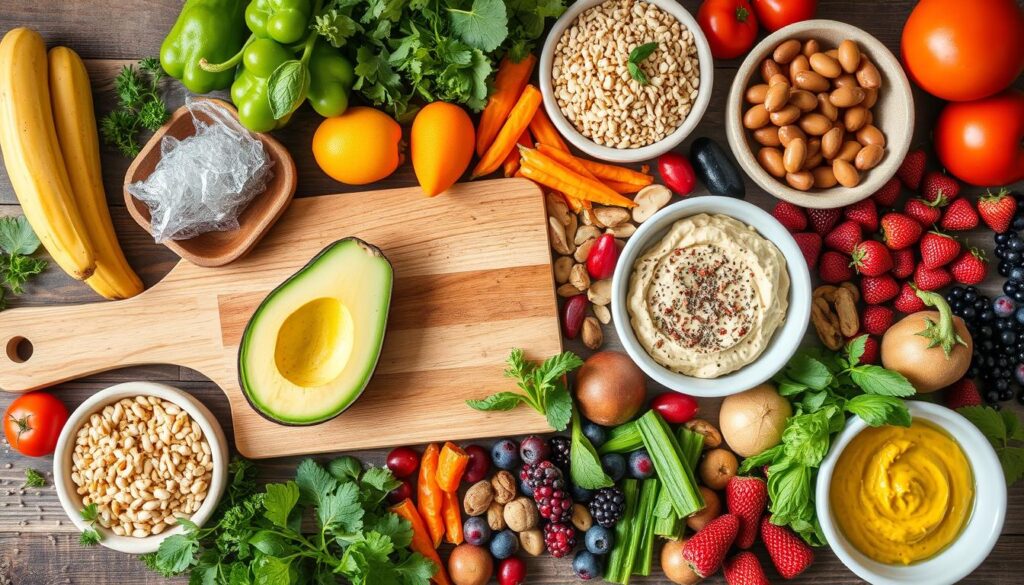
A low-glycemic diet can revolutionize your nutrition and health approach. It focuses on foods that keep blood sugar steady. This diet supports your wellness journey by helping you make smart food choices12.
The glycemic index (GI) ranks foods based on their blood glucose impact3. Low glycemic foods release energy slowly. They help maintain balanced blood sugar and may lower chronic health risks2.
This diet isn’t about restricting food. It’s about choosing nutrient-rich, low glycemic options. These foods support your metabolism and provide lasting energy1.
By following this approach, you might improve your weight management. It can also boost your overall metabolic health2.
Key Takeaways
- Low-glycemic diet helps stabilize blood sugar levels
- Foods are ranked based on their glucose impact
- Supports potential weight management goals
- Promotes steady energy release
- Reduces risk of chronic health conditions
Understanding the Glycemic Index and Its Impact on Health
The glycemic index (GI) measures how foods affect blood sugar levels. It ranks carb-containing foods based on their impact on glucose. This tool helps you make smarter food choices.
Carbohydrates vary in their effects on blood sugar. Some cause rapid spikes, while others provide stable energy4. Veggies like peppers and broccoli have a low GI of 50 or less4.
Fruits such as strawberries and apples also fall into the low GI category4.
What Determines a Food’s Glycemic Index Score
Several key factors influence a food’s glycemic index rating:
- Sugar type
- Starch structure
- Food processing methods
- Nutrient composition
- Cooking technique
- Food ripeness
Interestingly, preparation methods can dramatically change a food’s glycemic impact4. Instant oatmeal has a high rating of 79. Steel-cut rolled oats have a medium index at 554.
Benefits of Following a Low GI Diet
Choosing low glycemic index foods can offer significant health advantages5. Studies have explored these potential benefits across various countries5.
| Food Type | Glycemic Index | Category |
|---|---|---|
| Banana (ripe) | 51 | Medium GI |
| Quinoa (cooked) | 53 | Low GI |
| Carrots (raw) | 16 | Low GI |
| Brown Rice (steamed) | 50 | Low GI |
4 High GI foods like processed snacks can cause rapid blood sugar changes4. Focusing on low GI foods may offer several benefits.
- Manage blood sugar levels more effectively
- Support weight management
- Reduce risk of chronic diseases
- Improve overall nutritional intake
“Moderation and balance are key in maintaining a healthy diet” – Nutrition Expert
Low-Glycemic Diet: Essential Foods and Meal Planning
A low glycemic diet can change how you think about food and health. Learning the basics starts with picking foods that keep your blood sugar steady6.
Focus on foods with a GI score of 55 or less for your low glycemic recipes. Here are some great choices for your diet:
- Whole Grains: Rolled oats, barley, and quinoa
- Vegetables: Non-starchy options like leafy greens and broccoli
- Proteins: Lean meats, fish, and eggs
- Fruits: Berries, citrus fruits, and apples
For low glycemic snacks, pick options that give you long-lasting energy. These snacks won’t cause quick spikes in your blood sugar6.
Try these tasty choices:
- Unsalted nuts with a piece of fruit
- Hard-boiled eggs
- Dark chocolate with low sugar content
- Nut butter with apple slices
| Glycemic Index Categories | Score Range | Example Foods |
|---|---|---|
| Low GI | 0-49 | Vegetables, beans, whole grains |
| Medium GI | 50-69 | Whole wheat bread, brown rice |
| High GI | 70-100 | White bread, processed snacks |
Your body takes 6-8 weeks to adjust to a low glycemic eating pattern, so patience is key6.
Using these tips can help you create a lasting approach to healthy eating. This way of eating supports steady blood sugar and overall wellness7.
Conclusion
A low glycemic index diet isn’t just about food choices. Low glycemic desserts can satisfy cravings, but dietary management is more complex. Low glycemic index foods play a role in managing conditions like diabetes8.
Your health journey needs personalized strategies. Consider both glycemic values and overall nutritional quality. Low glycemic diets may help prevent insulin resistance and manage health concerns8.
Research shows high dietary glycemic index increases metabolic syndrome risk by 41%9. Professional guidance is key when changing your diet. Healthcare experts can help you understand how foods affect your metabolism.
Dietary strategies work best when tailored to your needs. Combine them with balanced nutrition and lifestyle changes for optimal results8.
Your health journey is unique. Thoughtfully include low glycemic desserts in your diet. Understand the glycemic index’s role to support long-term wellness and metabolic health89.
FAQ
What exactly is the low-glycemic diet?
The low-glycemic diet is based on the glycemic index (GI). It ranks foods by their effect on blood sugar levels. The diet focuses on foods that cause slower blood sugar rises. This helps stabilize insulin levels and promote better health.
Who created the glycemic index?
Dr. David Jenkins created the glycemic index in the early 1980s. He was a nutrition researcher aiming to help people understand food’s impact on blood sugar. His system offered a more detailed approach to carbohydrate consumption and health effects.
What are some examples of low-glycemic foods?
Low-glycemic foods include whole grains like rolled oats and barley. Non-starchy vegetables, legumes, and certain fruits also fall into this category. Meat, poultry, fish, dairy, and nuts are naturally low on the glycemic index.
How can a low-glycemic diet benefit my health?
A low-glycemic diet may help manage blood sugar levels and support weight loss. It can reduce the risk of type 2 diabetes and improve heart health. By stabilizing blood sugar, you may experience more consistent energy levels.
What foods should I avoid on a low-glycemic diet?
Limit high-glycemic foods like sugar-sweetened drinks and refined grains. Some processed cereals, starchy vegetables, and highly processed foods should also be avoided. These items can cause rapid spikes in blood sugar and insulin levels.
Is the glycemic index a perfect measure of food healthiness?
The glycemic index has limitations. It doesn’t account for overall nutritional value or serving sizes. Experts recommend focusing on overall dietary quality rather than just the GI score.
Can I lose weight on a low-glycemic diet?
Studies suggest a low-glycemic diet can support weight management. It may lead to more stable energy levels and reduced hunger. This could result in a small but significant reduction in body mass.
How do I start following a low-glycemic diet?
Start by replacing high-glycemic foods with low-glycemic alternatives. Choose whole grain bread over white bread and eat more vegetables. Select fruits with lower sugar content. Consult a registered dietitian for a personalized meal plan.
Are there any risks associated with a low-glycemic diet?
The low-glycemic diet is generally safe. However, ensure you’re getting all necessary nutrients for a balanced diet. Everyone’s body responds differently to sugar. Consult a healthcare professional before making big dietary changes, especially if you have health conditions.
Source Links
- How to Eat a Low Glycemic Diet: Foods, Benefits, and More – https://resources.healthgrades.com/right-care/food-nutrition-and-diet/low-glycemic-diet
- Everything You Want to Know About the Low Glycemic Diet – https://www.healthline.com/nutrition/low-glycemic-diet
- What Is the Glycemic Index? – https://www.healthline.com/nutrition/glycemic-index
- Glycemic Index and How It Affects Your Diet – https://health.clevelandclinic.org/glycemic-index
- The Health Effects of Low Glycemic Index and Low Glycemic Load Interventions on Prediabetes and Type 2 Diabetes Mellitus: A Literature Review of RCTs – https://pmc.ncbi.nlm.nih.gov/articles/PMC10746079/
- Low Glycemic Eating Diet Plan (with a Free Recipe Book!) – https://www.wellandeasy.com/low-glycemic-eating-diet-plan
- Low-Glycemic Diet: Guide and 7-Day Meal Plan | Signos – https://www.signos.com/blog/low-glycemic-plan
- Low glycemic diet: Definition, benefits, what to eat, and more – https://www.medicalnewstoday.com/articles/low-glycemic-diet
- Metabolic effects of low glycaemic index diets – https://pmc.ncbi.nlm.nih.gov/articles/PMC2654909/

