Marigolds are more than just bright garden flowers. They teach us important life lessons through their toughness and beauty1. These blooms stand for growth, change, and inner power in many different settings2.
Growing flowers shows us that each bloom has its own tale. Rajneesh puts it well: “It does not matter if you are a rose or a lotus or a marigold. What matters is that you are flowering.”
This idea goes beyond plants. It reflects how we grow and reach our full potential3.
Marigolds help us see beauty in unlikely spots. Their bright petals show us that strength can come from tough times1. By growing flowers carefully, we learn to be patient and nurturing2.
Key Takeaways
- Marigolds symbolize personal growth and resilience
- Flower cultivation teaches life lessons beyond gardening
- Beauty can flourish in challenging environments
- Each flower, like each person, has a unique journey
- Transformation is a natural part of life’s process
Literary Reflections on Marigolds
Marigolds serve as powerful symbols in literature. They represent resilience, beauty, and personal change. These simple flowers carry deep meaning in various stories.
Gardening stories use marigolds to share profound insights. In Eugenia Collier’s tale, these flowers symbolize hope and emotional growth.
Symbolic Meanings in Literature
Marigolds are more than just pretty plants. They represent deeper emotional landscapes. These flowers symbolize:
- Resilience in challenging environments
- Beauty emerging from difficult circumstances
- Personal growth and transformation
Personal Growth and Understanding
Lizabeth’s story in “Marigolds” shows how flowers can represent personal change. She grows up in a poor Maryland town during the Great Depression.
Her emotional journey is tied to these vibrant blooms. Through them, she experiences a profound transformation.
“For some perverse reason, we children hated those marigolds. They interfered with the perfect ugliness of the place.” – Eugenia Collier
Beauty Amid Adversity
Marigolds represent unexpected beauty in harsh settings. They offer hope amidst poverty and decay. Their bright presence challenges feelings of despair.
These flowers show beauty can exist in tough times. They inspire readers with their symbolism of human strength.
Marigolds continue to inspire in both gardens and books. They represent our ability to grow and stay strong45.
Famous Authors’ Perspectives on Marigolds
Writers have long been drawn to marigolds, weaving their beauty into literary works. These vibrant flowers inspire poets and storytellers alike. John Keats captured their allure in his poetic line:
“Open afresh your rounds of starry folds, Ye ardent Marigolds.”
Marigolds are more than just flowers in literature. They serve as powerful symbols of resilience and human experiences. Literary works often explore their deeper meanings3.
- Romantic poets celebrate marigolds as symbols of passion
- Modern writers explore their medicinal potential
- Cultural narratives highlight marigolds’ transformative power
Marigolds have a rich history in herbal medicine. Writers have noted their healing properties in various works. These golden blooms often represent hope in tough times6.
The literary world continues to use marigolds as metaphors. They connect natural beauty with human emotions and strength3.
The Beauty and Symbolism of Marigolds in Daily Life
Marigolds brighten our world with vibrant colors and rich symbolism. These resilient blooms capture life’s beauty through their adaptability and cultural significance7. Gardeners love marigolds for thriving in diverse environments, growing easily in gardens and containers7.
Cultural traditions have long embraced marigolds as symbols of remembrance and joy. During Día de los Muertos, these flowers create stunning altars honoring loved ones8. Some garland displays stretch an impressive 50 feet8.
Marigolds’ popularity has grown since Disney Pixar’s “Coco” release. This has introduced these meaningful traditions to wider audiences8.
Flower enthusiasts see marigolds as more than just decorative plants. They’re drought-tolerant warriors that bloom from spring to fall7. These versatile flowers attract beneficial insects and add vibrant colors to gardens7.
Marigolds offer edible flowers for salads and natural food coloring7. They remind us of nature’s resilience and beauty in celebrations and gardens. These blooms teach us to embrace our roots and flourish with spirit.
FAQ
What makes marigolds significant in literature?
Marigolds symbolize personal growth, resilience, and unexpected beauty in literature. Authors use these vibrant flowers as metaphors for human experiences. They highlight marigolds’ ability to thrive in challenging environments.
Are marigolds used in herbal medicine?
Yes, marigolds have practical applications in herbal medicine. They’re known for their medicinal properties in traditional healing practices. Many works explore marigolds’ dual nature as ornamental plants and useful herbs.
How do marigolds represent personal growth in literature?
Marigolds often symbolize character development and self-realization in literary works. Their bright blooms and persistence serve as metaphors for human resilience. These flowers represent personal transformation through difficult conditions.
What cultural significance do marigolds have?
Marigolds play a key role in various seasonal celebrations worldwide. They’re used in festivals and decorative arrangements across cultures. These flowers symbolize life, growth, and renewal in different traditions.
Why do gardeners love cultivating marigolds?
Gardeners appreciate marigolds for their hardy nature and vibrant colors. These flowers offer lessons about resilience and adaptability. They bring brightness and vitality to gardens as popular ornamental plants.
How do marigolds inspire creative writing?
Marigolds have inspired poets and authors across different eras. Their vivid colors and symbolic meanings provide rich metaphorical material. Writers use marigolds to explore themes of beauty, strength, and personal growth.
What makes marigolds unique among garden flowers?
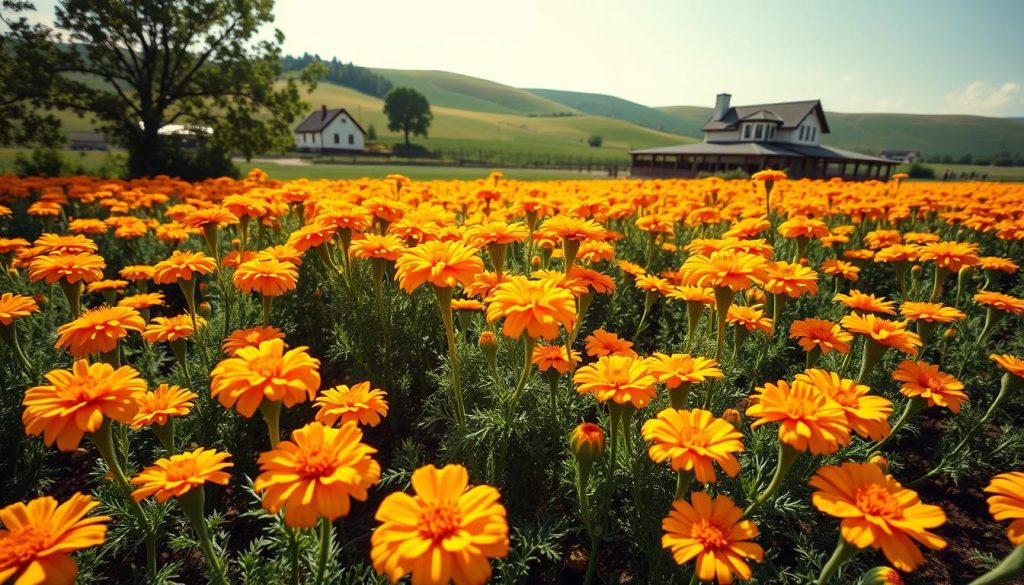
Marigolds stand out with their bright orange and yellow hues. They grow in various conditions and have multifaceted significance. These flowers represent optimism and natural beauty in literary and horticultural contexts.
Source Links
- Marigolds Quotes | Explanations with Page Numbers – https://www.litcharts.com/lit/marigolds/quotes
- The Best Exotic Marigold Hotel Quotes by Deborah Moggach – https://www.goodreads.com/work/quotes/17999784-these-foolish-things
- Lizabeth’s Transformation and Adult Reflection in “Marigolds” – https://www.enotes.com/topics/marigolds/questions/lizabeth-s-transformation-and-adult-reflection-in-3138830
- The Marigolds Reflection – https://www.ipl.org/essay/The-Marigolds-Reflection-FC5P4HGYV
- Marigolds LitChart Teacher Edition – https://www.litcharts.com/lit/marigolds/summary-and-analysis
- 13 Benefits of Planting Marigolds With Your Vegetables – https://www.icangarden.com/marigolds-with-vegetables/
- Celebrate the Day of the Dead in Your Garden – https://www.backyardboss.net/why-are-marigolds-known-as-the-day-of-the-dead-flowers/
- Why marigolds, or cempasúchil, are the iconic flower of Día de los Muertos – https://www.npr.org/2021/10/30/1050726374/why-marigolds-or-cempasuchil-are-the-iconic-flower-of-dia-de-los-muertos