
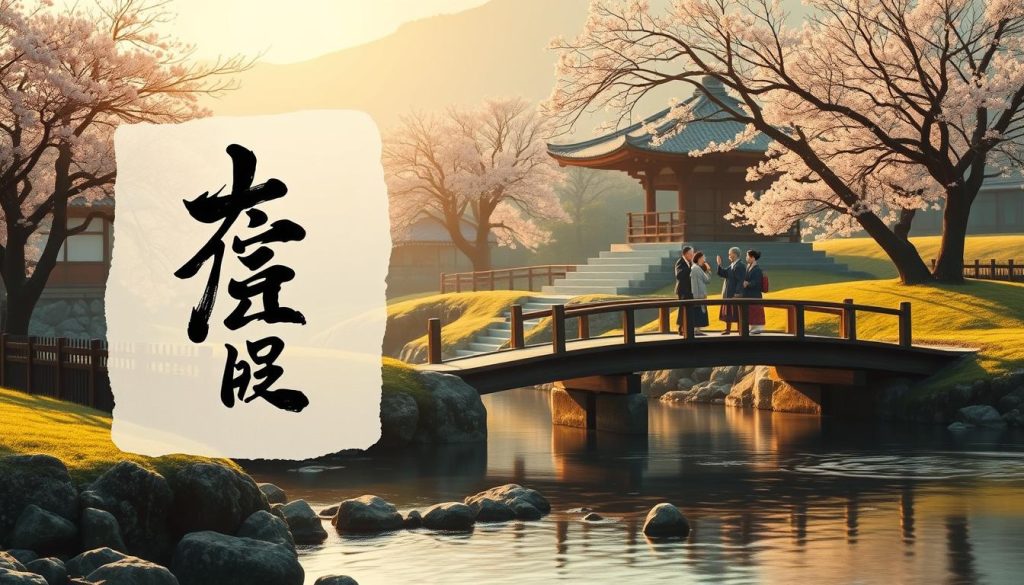
“Ja ne” is a casual Japanese goodbye phrase. It’s similar to saying “see you” among friends and peers. This informal expression is common in everyday Japanese conversations.
Use “ja ne” in relaxed settings with people you know well. It’s perfect for close friends, classmates, or younger colleagues. Think of it as the Japanese version of “bye” or “catch you later”.
However, “ja ne” isn’t suitable for all situations. In professional or formal settings, it’s best to avoid this casual goodbye. Japanese communication depends on context and social hierarchy. Choosing the right words is crucial.
Key Takeaways
- “Ja ne” is an informal Japanese goodbye
- Best used among friends and peers
- Avoid in professional or formal settings
- Equivalent to “see you” or “bye” in English
- Part of casual Japanese communication
Understanding Japanese Farewell Expressions and Their Cultural Context
Japanese goodbyes are a complex dance of social nuance and cultural respect. Each farewell phrase carries deep meaning, reflecting relationships and specific contexts. These expressions convey respect, intimacy, and social distance.
Saying goodbye in Japanese involves understanding subtle linguistic variations. The right phrase matters in different situations. Your word choice can speak volumes when parting ways in Japan.
The Significance of Farewell Phrases
Sayonara isn’t just a casual “bye” – it’s a formal goodbye. It suggests a potentially long-term separation. Native speakers use it sparingly in specific situations.
- Leaving a job
- Saying goodbye to a teacher
- Ending a significant chapter in life
Casual Goodbyes Among Friends
For everyday interactions, Japanese people prefer more relaxed expressions. Mata ne (see you later) and Ja ne are popular casual goodbyes. These phrases keep conversations light and maintain a friendly atmosphere.
Professional and Formal Farewells
In business settings, politeness is crucial. O-saki ni shitsurei shimasu (excuse me for leaving before you) shows respect. This phrase demonstrates the intricate social etiquette in Japanese communication3.
“The right goodbye is an art form in Japanese culture.”
Mastering Japanese goodbyes helps you navigate social interactions gracefully. Understanding these nuanced expressions shows respect for Japanese culture. It’s an essential skill for anyone interacting with Japanese speakers.
When and How to Use “Ja Ne” in Japanese
“Ja ne” is a casual and friendly Japanese farewell phrase. It’s perfect for informal chats with friends and peers. This warm expression is a shorter version of “Dewa mata ne”45.
Knowing when to use “ja ne” is key for smooth social interactions in Japan. It’s great for close friends, classmates, and younger coworkers. You can also use it in casual settings.
- Among close friends5
- With classmates
- With younger colleagues
- In casual social settings
“Jā” is a casual form of “dewa,” meaning “then.” “Ne” adds a friendly tone to the farewell4. For extra care, try “ja ne, ki o tsukete” (see you, take care)5.
You can use different versions to add flavor to your goodbye:
- Ja mata – Another casual “see you later”
- Mata ashita – See you tomorrow
- Mata raishu – See you next week
About 25% of casual goodbyes among Japanese youth use “ja ne” variations5. Learning these phrases helps you connect better with Japanese speakers.
Conclusion
Japanese farewells involve more than words. They connect us to cultural nuances and social dynamics. Casual goodbyes like “ja ne” help learners navigate social interactions authentically. Japanese farewell expressions are key to effective communication6.
Japanese goodbyes reflect social etiquette. Friends use phrases like “じゃあね (Jaa ne)” or “またね (Mata ne)” to show future connection. These choices mirror the complex social fabric of Japanese communication6.
Mastering Japanese farewells requires verbal and non-verbal cues. A slight bow, proper eye contact, and the right phrase create meaningful exchanges. Practicing these skills improves language proficiency and shows cultural respect6.
Learning Japanese goodbyes is a cultural journey. It helps build deeper connections in Japanese-speaking environments. Each farewell is a chance to show cultural awareness and linguistic skill.
FAQ
What exactly does “ja ne” mean in Japanese?
“Ja ne” is a casual Japanese goodbye. It means “see you” or “catch you later”. Friends and peers often use it in informal settings.
Is “ja ne” appropriate in all social situations?
“Ja ne” is only for casual settings. It’s not suitable for professional or formal situations. In those cases, more respectful farewells are expected.
How is “ja ne” different from “sayonara”?
“Sayonara” implies a long-term or permanent goodbye. “Ja ne” is more relaxed and casual. It suggests you’ll see the person again soon.
Are there variations of “ja ne”?
Yes, there are several common variations. These include “ja mata” (see you later) and “mata ne” (see you again). “Ja ne, ki o tsukete” means “see you, take care”.
Can foreigners use “ja ne” when speaking Japanese?
Foreigners can use “ja ne” in casual settings. It’s best among peers or in relaxed situations. When unsure, choose a more neutral farewell to avoid misunderstandings.
How do you pronounce “ja ne” correctly?
“Ja ne” sounds like “jah neh” with a quick, light emphasis. The “ja” is like “jah”. “Ne” is pronounced “neh” with a short, crisp ending.
What body language typically accompanies “ja ne”?
“Ja ne” often comes with a small wave or casual nod. A relaxed hand gesture is common too. In traditional settings, a light bow might be used.
Source Links
- See you later in Japanese – https://www.japan-guide.com/forum/quereadisplay.html?0 18862
- https://www.fluentin3months.com/wp-content/uploads/2021/09/goodbye-in-japanese_FB.jpg – https://www.fluentin3months.com/goodbye-in-japanese/
- Saying Goodbye in Japanese: Learn the Different Phrases and Cultural Context – Learn languages with italki – https://www.italki.com/en/blog/goodbye-in-japanese
- How to Say See You Later in Japanese: 6 Easy Ways – https://www.linguajunkie.com/japanese/say-see-you-later-in-japanese
- Hello and Goodbye in the Japanese Language – https://www.nihongomaster.com/blog/hello-and-goodbye-in-the-japanese-language
- How to say Goodbye in Japanese: Most common expressions – https://mochidemy.com/support/goodbye-in-japanese/

