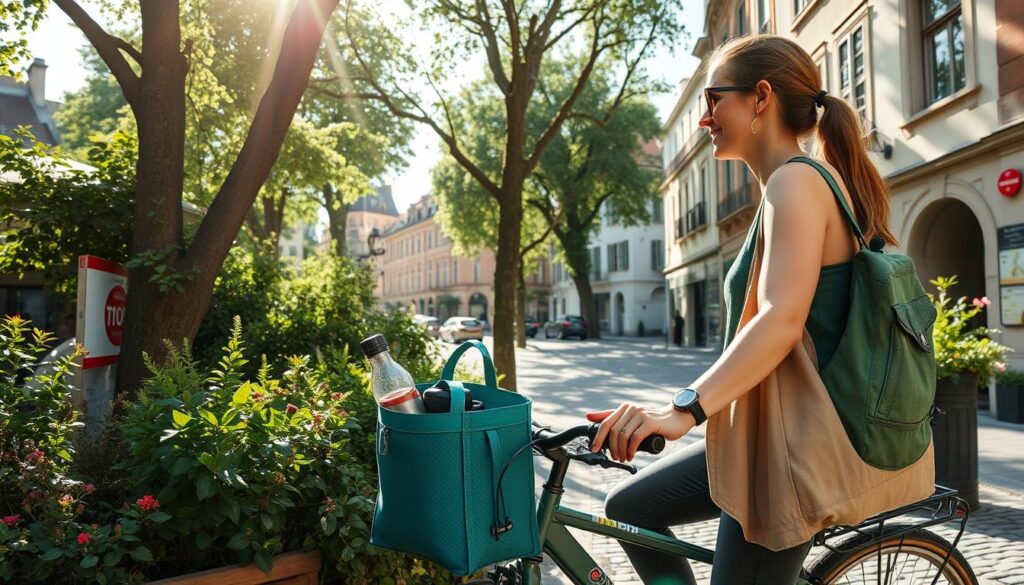
Eco-conscious travelers are revolutionizing how we explore the world. Zero-waste travel focuses on reducing consumption and maximizing resource efficiency. This approach transforms typical tourist experiences into adventures that support environmental conservation.
European countries are pioneering sustainable travel strategies. They’re implementing innovative waste reduction plans and creating circular economies. These destinations show how travelers can explore responsibly while minimizing their environmental impact.
The zero-waste approach isn’t about perfection. It’s about making intentional choices that significantly reduce your ecological footprint. Sustainable travel involves more than just avoiding plastic.
Strategic planning and eco-friendly accommodations are key components. Understanding the broader impact of your travel choices is crucial. European cities have achieved impressive results in waste management.
Some municipalities boast recycling rates up to 90%. They generate less than 100 kg of residual waste per person annually. These successes demonstrate the potential for positive change in tourism1.
Key Takeaways
- Zero-waste travel minimizes environmental impact through conscious decision-making
- European destinations are pioneering sustainable tourism practices
- Recycling and waste reduction are crucial for responsible travel
- Every traveler can contribute to environmental conservation
- Sustainable choices create positive economic and ecological outcomes
Understanding Zero-Waste Principles
Sustainable travel starts with zero waste principles. This approach transforms how we use resources and interact with our environment. It goes beyond recycling and promotes a mindful lifestyle.
Zero waste challenges traditional consumption patterns. It’s a comprehensive strategy that encourages us to rethink our habits. This approach aims to create a more sustainable future.
What Does Zero-Waste Really Mean?
Zero waste aims to eliminate waste entirely2. It’s a responsible system of production, consumption, and recovery. This approach protects both environmental and human health2.
The philosophy prioritizes several key aspects. These include closed-loop systems, resource conservation, and community engagement. It also supports local economies.
- Closed-loop systems
- Resource conservation
- Community engagement
- Supporting local economies
The Importance of Sustainable Travel
Sustainable travel has gained global momentum3. It challenges travelers to rethink their consumption patterns. By adopting zero waste principles, you can reduce your environmental footprint2.
“Waste reduction is not about perfection, but about making conscious choices.” – Zero Waste Expert
Key Benefits of a Zero-Waste Lifestyle
A zero-waste lifestyle offers many advantages. It emphasizes rethinking materials, reducing waste, and maximizing recycling2. You can experience several benefits from this approach.
- Significant cost savings3
- Reduced environmental impact4
- Enhanced mental well-being4
- Support for local economies
Waste minimization is a lifestyle revolution. It connects personal choices with global sustainability. By implementing circular economy principles, you join a transformative global movement2.
Tips for Planning Your Zero-Waste Trip
Green Living adventures require careful planning and commitment to sustainability. Traveling waste-free is an exciting challenge that transforms your journey. Zero-waste travel strategies can help minimize your environmental impact.
Packing Essentials for Zero-Waste Travel
Your Plastic-Free travel kit is crucial for combating waste. Pack these essential items to stay eco-friendly on your trip.
- Reusable water bottle
- Compact utensil set
- Cloth shopping bags
- Bamboo toothbrush
- Solid toiletries
Travelers are embracing sustainable gear more than ever. 92% now carry reusable water bottles and travel mugs5.
Choosing Eco-Friendly Accommodations
Pick lodgings that match your sustainability goals. Campsites can greatly reduce your carbon footprint compared to hotels6.
Look for places that:
- Use renewable energy
- Implement recycling programs
- Support local communities
Transportation Options That Minimize Waste
Your travel choices greatly impact the environment. Direct flights produce less carbon than connecting flights6.
Consider these eco-friendly options:
| Transportation Mode | Carbon Footprint |
|---|---|
| Train | Lowest |
| Bus | Low |
| Direct Flight | Moderate |
Dining Sustainably While Abroad
Your food choices can greatly reduce waste. Locally owned restaurants often source goods nearby, cutting food waste in production6.
Look for:
- Farmers markets
- Bulk food stores
- Restaurants with local sourcing
“Small sustainable choices can create a big impact on your travel experience and the planet.”
Must-Visit European Destinations for Zero-Waste Travel
Europe’s innovative cities are leading the way in environmental conservation. These destinations transform travel into an eco-conscious experience. Your zero-waste adventure awaits in places redefining green living and circular economy practices7.
Innovative Zero-Waste Cities in Europe
Stockholm, the first European Green Capital, impresses with efficient public transport and clean waterways. It makes eco-friendly tourism a breeze7.
Copenhagen aims to become carbon-neutral by 2025. Its extensive bike lanes invite you to explore the city sustainably7.
Eco-Conscious Activities to Try
Norway offers eco-friendly road trips with electric vehicle incentives. In Finland, you can enjoy magical forest bathing and berry picking7.
Sardinia provides an inspiring model for waste reduction. Since 2003, waste generation per capita has decreased significantly8.
Local Markets That Embrace Sustainability
Milan has implemented impressive organic waste collection programs. Support local circular economies by exploring markets in this city8.
Zlarin in Croatia stands out with its commitment to breaking free from plastic. Here, you can engage with sustainable community practices8.
FAQ
What exactly is zero-waste travel?
Zero-waste travel aims to reduce environmental impact while exploring the world. It focuses on minimizing waste and making sustainable choices. Every small action counts in lowering your carbon footprint.
What essential items should I pack for a zero-waste trip?
Pack alternatives to single-use plastics for your zero-waste travel kit. Include a reusable water bottle, coffee cup, shopping bag, and metal straw. A reusable spork, handkerchief, and water filtration device are also helpful.
How can I choose eco-friendly accommodations?
Look for self-catering options to control waste generation. Research hotels with strong sustainability credentials, like those using renewable energy. Apps like Bookdifferent can help find environmentally conscious lodging.
What are some ways to dine sustainably while traveling?
Visit local farmers markets and restaurants that use sustainable ingredients. Use apps like ShareWaste to find places for food scraps. Choose places that minimize packaging and support local economies.
Carry your own reusable containers and utensils to reduce waste further.
How can I offset the carbon impact of my travel?
Choose direct flights and avoid business class upgrades. Use carbon offset programs offered by airlines. Consider alternative transportation like trains, which typically have a lower carbon footprint.
Support verified carbon offset projects that invest in renewable energy and conservation efforts.
Are there specific European destinations known for zero-waste initiatives?
Several European countries and cities lead zero-waste efforts. Some have banned plastic bags and implemented comprehensive recycling programs. Look for destinations participating in Zero Waste Europe’s Study Tours and circular economy initiatives.
What eco-conscious activities can I do while traveling?
Join local beach or river clean-ups and eco-tours like Natural Habitat Adventures’ zero-waste experiences. Support local markets that embrace sustainability. Try guided nature walks or community sustainability projects.
Source Links
- Introducing Zero Waste Europe – the main principles – https://zerowasteeurope.eu/wp-content/uploads/2021/08/Introducing-Zero-Waste-Europe-the-main-principles-1.pdf
- What Is Zero Waste? Learn About the Movement & Why it’s Important | Zero Waste – https://www.zerowaste.com/blog/what-is-zero-waste-a-guide-to-resource-recovery-and-conservation/
- Zero Waste 101: A beginner’s guide – https://www.recyclebycity.com/chicago/notebook/zero-waste-101-simple-beginners-guide
- Zero Waste 101: A Complete Guide to Starting a Zero Waste Lifestyle – https://www.meredithfontana.com/post/complete-guide-to-starting-a-zero-waste-lifestyle
- How to Plan a Zero Waste Vacation – Greenify Me – https://www.greenify-me.com/2022/08/zero-waste-vacation.html
- Tips for sustainable travel – https://www.colorado.edu/ecenter/2024/11/11/tips-sustainable-travel
- News – https://tripotocom-trip.s3.amazonaws.com/top-european-destinations/news/sustainable-travel-eco-friendly-spots-across-europe.html
- Working towards zero waste in touristic destinations – https://zerowastecities.eu/working-towards-zero-waste-in-touristic-destinations/