Capturing European landmarks requires skill and thoughtful digital imaging techniques. Your camera can transform ordinary snapshots into breathtaking visual stories. European destinations offer incredible opportunities to photograph iconic structures1.
The Eiffel Tower, Colosseum, and Brandenburg Gate are just a few examples. These architectural wonders and cultural heritage sites make for stunning subjects2.
Strategic planning is key for landmark photography. Understanding lighting conditions is crucial. Selecting the right camera and mastering composition techniques will elevate your images3.
Key Takeaways
- Master the art of landmark photography with strategic planning
- Choose the right camera and lens for architectural shots
- Learn to work with natural light and time of day
- Understand composition techniques for stunning images
- Practice digital imaging skills for post-processing
Choosing the Right Time of Day for Your Shots
Natural light transforms landscapes throughout the day. Timing is crucial for capturing stunning landmark images. The perfect moment enhances your subject’s beauty, creating captivating shots.
Golden Hour Magic
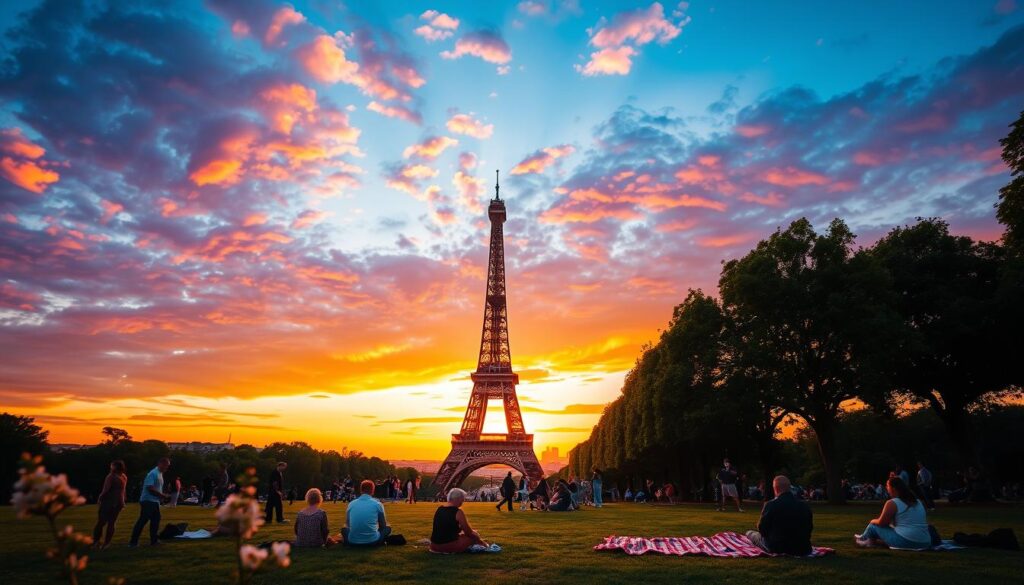
The golden hour offers a magical window for photographers. It occurs shortly after sunrise and before sunset. This period provides soft, diffused light that transforms landscapes4.
During golden hour, sunlight creates warm illumination. It adds depth and dimension to your photographs5. This light is ideal for capturing soft, reddish-pink tones.
- Morning golden hour: Between 30 minutes before sunrise and one hour after
- Evening golden hour: One hour before and after sunset
- Ideal for capturing soft, reddish-pink lighting
Avoiding Crowds
Early morning offers unique advantages for landscape photography. You’ll encounter fewer tourists and see landmarks in pristine conditions. Pro tip: Arrive before sunrise for the best shooting positions.
Understanding Natural Light
Natural light changes dramatically throughout the day. Mid-morning and afternoon provide subtle yellow light with fewer shadows5. High noon offers intense direct lighting, perfect for capturing textural details4.
| Time of Day | Lighting Characteristics | Photography Potential |
|---|---|---|
| Golden Hour | Soft, warm light | Landscapes, portraits |
| Mid-Morning | Subtle yellow light | General photography |
| High Noon | Direct, intense light | Textural details |
“Photography is all about light – understanding it, manipulating it, and capturing its essence.” – Anonymous Photographer
Each landmark has unique lighting characteristics. Try different times of day to find compelling perspectives. Experiment and discover the best light for your landscape photography.
Essential Gear for Landmark Photography
The right photography equipment can transform your landmark shots. Your gear choices impact image quality and creativity. Good equipment turns ordinary scenes into extraordinary memories6.
Pro travel photographers invest in quality gear for diverse conditions. They use high-end mirrorless and DSLR cameras. These cameras typically cost between $1,500 and $5,000 USD6.
Must-Have Lenses for Landmark Photography
Lens selection is crucial for landmark photography. A versatile 24-70mm lens captures both details and wider scenes6. Here are some lens options to consider:
- Wide-angle lenses (14-35mm) for expansive scenes
- Medium lenses (35-85mm) for versatile shooting
- Zoom lenses for flexible framing
Tripods and Stability Considerations
Travel photographers prefer carbon fiber tripods for stability and light weight6. Tripods offer great image quality. However, some landmarks restrict their use.
| Tripod Type | Pros | Cons |
|---|---|---|
| Carbon Fiber | Lightweight, stable | More expensive |
| Aluminum | Affordable | Heavier |
Essential Camera Settings and Accessories
Photo composition relies on more than just equipment. Here are some critical accessories to consider:
- Bring 3-5 spare batteries for extended shooting6
- Use quality memory card cases to protect against environmental damage6
- Carry an external hard drive for backing up photos6
“The right gear doesn’t just capture images—it tells stories.” – Professional Travel Photographer
Pro tip: Check landmark-specific photography rules before shooting. Prepare your equipment to ensure a smooth experience.
Composing Stunning Landmark Photographs
Effective photo composition turns ordinary snapshots into extraordinary visual stories. It captures the essence of architectural wonders. Crafting memorable landmark photographs requires more than just pointing your camera at structures.
Key techniques elevate your landmark photography. The Rule of Thirds is a fundamental principle. It places subjects off-center for more natural and engaging images.
Leading Lines and Perspectives
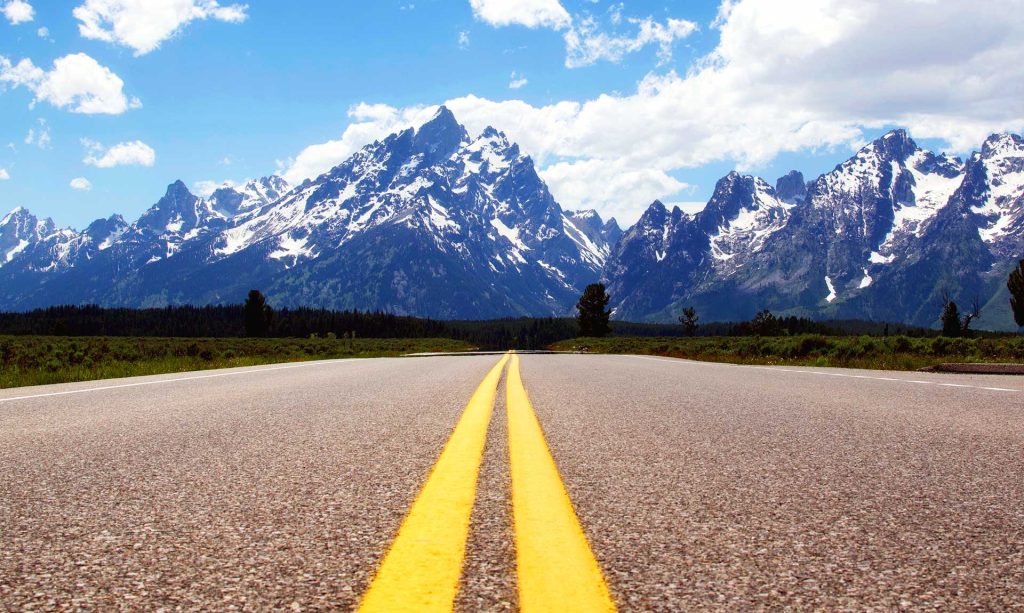
Leading lines and shapes guide the viewer’s eye through your image. They create a compelling narrative within your photograph. Explore unique angles to reveal unexpected perspectives of familiar landmarks.
- Experiment with diagonal compositions
- Use architectural elements as natural guides
- Seek out triangular structures for dynamic tension
Framing Your Subject
Creating frames within frames adds depth and intrigue to landmark photography. Natural archways, trees, or surrounding architecture can provide excellent framing opportunities. These elements draw viewers into your image7.
Using Foreground Elements
Foreground elements add context and dimensionality to landmark portraits. They provide scale and introduce visual interest. This creates a more immersive portrait photography experience7.
“Composition is the skeleton that keeps your photographic story together.” – Professional Photography Insight
These composition techniques transform ordinary tourist snapshots into compelling visual narratives. They capture the true spirit of iconic locations. Your landmark photographs will tell stories that resonate with viewers.
Post-Processing Techniques to Enhance Your Photos
Digital imaging has revolutionized how photographers refine their landmark shots. Choosing the right software is crucial for creating stunning final images. Adobe Photoshop and Lightroom are top picks for pros, offering powerful tools for visual storytelling8.
Start your editing journey by mastering key techniques. Exposure adjustment is often the first step in refining images9. Saturation and vibrance tools can boost color depth and visual impact9.
Advanced photographers use curves to adjust light, dark, and middle tone pixels. This gives unparalleled control over image appearance9. RAW file processing offers the most flexibility for digital imaging fans.
Software like Capture One and Affinity Photo provide pro-grade editing features. These include RAW processing, HDR merging, and sophisticated tone mapping8. Aim to enhance your landmark photos while preserving their authentic essence.
Professional sharpening tools in Lightroom and Photoshop help refine image details9. Use healing brush and clone stamp techniques to remove unwanted elements. This ensures your landmark photos look polished and professional9.
Remember to edit with a light touch. Preserve the natural beauty of your original composition. Subtle enhancements will bring out the true essence of the scene.
FAQ
What is the best time of day to photograph European landmarks?
The golden hour offers warm, soft light ideal for landmark photography. It occurs just after sunrise or before sunset. Early morning visits help avoid crowds and capture serene images with better lighting.
What type of lens should I use for landmark photography?
Wide-angle lenses (14mm to 35mm) are great for capturing expansive scenes. Medium lenses (35mm to 85mm) offer versatility for overall shots and detailed captures. Choose your lens based on the landmark and desired composition.
Do I need a tripod for landmark photography?
A tripod is highly recommended, especially for long exposures and night photography. Some landmark sites restrict tripod use. For night shots of illuminated landmarks, a tripod helps capture sharp, well-exposed images.
How can I improve my landmark photo composition?
Use the rule of thirds to create balanced images. Experiment with different perspectives and incorporate leading lines and foreground elements. Try shooting from unique angles to create more dynamic and interesting compositions.
What camera settings should I use for landmark photography?
Shoot in RAW format for maximum image quality and editing flexibility. Pay attention to aperture to control depth of field. Consider using a lower ISO to reduce noise.
Experiment with different settings to capture the best possible image in various lighting conditions.
Which photo editing software do you recommend?
Adobe Lightroom and Capture One are popular choices for editing landmark photographs. These tools offer powerful features for color correction, exposure adjustment, and cropping. They help maintain the authenticity of your original image.
How can I capture landmarks without too many tourists?
Visit landmarks early in the morning when crowds are minimal. Consider going during off-peak seasons. Use long exposure techniques to minimize or remove people from your shots.
Some post-processing techniques can help reduce the appearance of crowds in your final image.
What should I consider when photographing coastal landmarks?
Check the moon phase and tide times for coastal landmarks. Early morning fog can create a mystical atmosphere. Sunset or dusk provides beautiful lighting with a mix of natural and artificial illumination.
Use a tripod and experiment with long exposure techniques to capture dynamic coastal scenes.
Source Links
- A step-by-step guide to taking the best photos of popular landmarks – https://www.contiki.com/six-two/article/guide-taking-photos-of-popular-landmarks/
- Six Tips for Compelling Landmark Photography – https://www.familyadventureproject.org/tips-for-landmark-photography/
- How To Take The Best Photos of Famous European Landmarks – Days To Come – https://www.tourradar.com/days-to-come/how-to-take-the-best-photos-of-famous-european-landmarks/
- The Best Time Of The Day To Take Photos: 21 Effective Tips – https://photographypro.com/time-of-the-day-to-take-photos/
- Photography Tips for Shooting at Different Times of Day – 42West – https://www.adorama.com/alc/photography-tips-for-shooting-during-different-times-of-day/
- Essential Travel Photography Gear: 11 Must-Have Items – https://digital-photography-school.com/gear-travel-photography-newbies/
- 28 Composition Techniques That Will Improve Your Photos – https://petapixel.com/photography-composition-techniques/
- Post Processing in Photography: What to Know About it – https://www.katebackdrop.com/blogs/photography-tutorials/post-processing-in-photography?srsltid=AfmBOooWd2pd73tOY4bmLQSEmby5lu300_UisLoOSMqTlTvbbrz9qbJs
- The Ultimate Guide to Learning Photography: Post-Processing – https://www.creativelive.com/photography-guides/post-processing