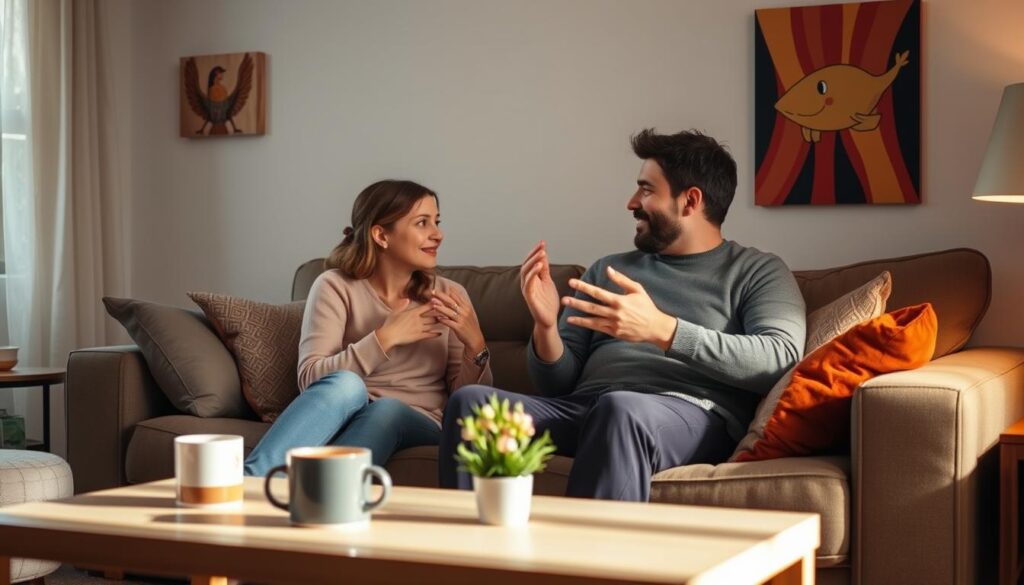
Relationships are intricate webs of emotions and trust. Forbidden love often challenges traditional connections. Infidelity impacts about 1 in 3 couples in the United States1.
Taboo relationships reveal complex emotional landscapes. They push us to explore deeper human experiences. Some couples navigate these challenges with surprising strength2.
Relationship betrayals require empathy and critical thinking. They’re not just about breaking rules. These situations represent complex human experiences of connection and reconciliation1.
Key Takeaways
- Infidelity affects a significant percentage of relationships
- Emotional complexity defines unconventional relationship dynamics
- Trust can be rebuilt after significant relationship challenges
- Understanding motivations behind forbidden love is crucial
- Communication remains key in navigating relationship difficulties
What Are Taboo Relationships and Their Impact?
Modern relationships reveal complex patterns of human connection and emotional vulnerability. They challenge societal norms and spark conversations about intimacy and trust. These connections push boundaries and explore personal limits.
Taboo relationships require a nuanced approach to human emotional experiences. People now discuss topics that were once off-limits3:
- Sexual needs and fantasies
- Non-traditional relationship styles
- Past relationship experiences
- Potential infidelity scenarios
Defining Taboo Relationships
Taboo relationships go beyond traditional romantic connections. They include complex emotional and psychological interactions. Ethical dilemmas arise when people challenge established relationship frameworks.
These unconventional connections test societal expectations. They explore new ways of understanding human emotions and bonds.
“Relationships are not about following rules, but understanding human emotions.” – Relationship Expert
The Social Perception of Cheating
Views on cheating have changed dramatically. People now discuss infidelity and relationship challenges more openly. Many allocate time to explore sensitive relationship dynamics3.
Research suggests that open conversations can strengthen relationship bonds4. This transparency helps build trust and understanding between partners.
Effects on Partners and Families
Relationship problems create deep emotional ripples. Children’s well-being is linked to relationship stability in their families. This highlights the importance of healthy relationship structures5.
The impact of these issues goes beyond individual experiences. They can affect entire family systems and communities.
Understanding these complex dynamics helps people make better relationship choices. It promotes compassion and informed decision-making in personal connections.
Reasons Behind Cheating in Relationships
Infidelity reveals the complex nature of human relationships. Cultural taboos often hide deeper emotional struggles. These struggles can drive people to seek connections outside their main partnership.
Cheating is more complex than simple physical attraction. The reasons for seeking forbidden desires can be varied. Research shows that relationships are rarely straightforward.
Emotional Disconnection and Unmet Needs
Partners feeling emotionally isolated might explore forbidden relationships for validation. Studies show important insights into relationship dynamics.
- Around 25% to 60% of individuals experience cheating at some point6
- Sexual dissatisfaction remains a primary motivation for affairs7
- Emotional validation drives many individuals to seek alternative connections7
Seeking Excitement and Personal Growth
The thrill of breaking rules motivates about 30% of people to explore extramarital connections6. Many view these experiences as chances for self-discovery and personal growth.
Influence of Peer Dynamics
Social circles and media can make cheating seem normal or romantic. About 65% of people find the drama of affairs intriguing6.
Affairs can be a complex expression of unmet emotional and physical needs within a relationship.
| Motivation Category | Percentage |
|---|---|
| Sexual Dissatisfaction | 84.5% |
| Emotional Validation | 50% |
| Excitement and Novelty | 30% |
Understanding these reasons doesn’t make cheating right. However, it helps us see the complex emotions behind relationship problems. These insights can lead to better communication and stronger partnerships.
Navigating the Consequences of Cheating
Infidelity creates a complex emotional landscape. It forces couples to face deep ethical dilemmas. Navigating this path requires courage, compassion, and willingness to explore difficult feelings8.
Understanding the Emotional Fallout
Cheating can destroy trust in a relationship. You might feel anger, betrayal, confusion, and grief. Healing from infidelity is a journey of self-discovery and potential transformation8.
Communication Strategies for Repair
Rebuilding trust demands exceptional communication. Key strategies include:
- Complete honesty about the affair8
- Addressing underlying relationship conflicts8
- Practicing emotional transparency
- Seeking professional therapy8
“Healing is possible when both partners commit to understanding the root causes of infidelity”
Deciding Whether to Stay or Leave
Your choice depends on many factors. Some couples find working through infidelity strengthens their bond8.
Others may realize separation is healthier. Honest self-reflection and mutual respect are crucial when facing these Ethical Dilemmas9.
There’s no one-size-fits-all approach to recovering from infidelity. Each relationship’s journey is unique. It requires patience, empathy, and genuine commitment to healing8.
Preventing Cheating: Building Stronger Connections
Trust in unconventional relationships requires effort and vulnerability. It involves taking small risks to understand each other deeply. Partners must recognize that trust-building involves many micro-risks that strengthen emotional bonds10.
Modern relationships often face communication challenges leading to disconnection. Open dialogue is crucial in taboo relationships. Discuss fears, expectations, and boundaries transparently11.
Understanding relationship dynamics helps prevent potential rifts from unspoken tensions. Emotional intimacy requires acknowledging risks of hurting each other. It also needs confidence to heal together1011.
When partners communicate authentically, they create stronger connections. These bonds resist temptations of infidelity. Commitment to mutual understanding transforms challenges into opportunities for deeper connection12.
FAQ
What defines a taboo relationship?
Taboo relationships challenge societal norms. They include age gaps, consensual non-monogamy, or unconventional connections. These relationships often involve complex emotional dynamics.
Why do people engage in cheating?
People cheat for various reasons. Emotional disconnection, unmet needs, or poor communication can drive infidelity. Sometimes, it stems from a desire for excitement or self-discovery.
How does cheating impact relationships?
Cheating can devastate relationships by destroying trust. It causes emotional trauma and may lead to long-lasting psychological consequences. Both partners often experience reduced self-esteem and communication breakdown.
Can relationships recover after infidelity?
Recovery is possible but challenging. It requires honesty and commitment from both partners. Addressing underlying issues and seeking professional counseling can help.
Successful recovery depends on rebuilding trust. Understanding the root causes of infidelity is crucial.
What are effective ways to prevent cheating?
Building strong emotional connections prevents cheating. Open communication and clear boundaries are essential. Couples should cultivate emotional intimacy and address insecurities.
Creating a safe space for honest conversations about needs is important. Regular discussions about relationship expectations help prevent infidelity.
How do cultural perspectives influence perceptions of cheating?
Cultural norms shape how cheating is defined and perceived. The meaning of infidelity varies across different societies. Some cultures have more flexible interpretations of relationship boundaries.
Social media and global connectivity have changed our understanding of fidelity. These factors influence how different cultures view cheating.
What role does communication play in preventing relationship issues?
Effective communication is crucial in preventing relationship problems. It involves active listening and expressing needs openly. Creating non-judgmental spaces for dialogue is important.
Regular check-ins about emotional and physical intimacy help. Understanding each other’s perspectives maintains ongoing, honest dialogue.
How can couples rebuild trust after infidelity?
Rebuilding trust requires patience and commitment. Complete transparency and acknowledging the hurt caused are essential. Seeking professional counseling can guide the healing process.
Establishing new relationship boundaries is crucial. Consistent, reliable behavior over time helps rebuild trust. Both partners must work through complex emotions together.
Source Links
- An International Affair: Exploring Infidelity across the Globe – https://www.gottman.com/blog/an-international-affair-exploring-infidelity-across-the-globe/
- Adultery – The Great Romance Taboo – https://allaboutromance.com/adultery-the-great-romance-taboo/
- From Taboo to Truth: Conversations that Create Closer Connections – https://medium.com/conscious-relationship-design/unlocking-connections-the-power-of-taboo-conversations-fc25763fe646
- 9 ‘Taboo’ Things That Can Actually Benefit Your Relationship – https://www.huffpost.com/entry/relationship-taboos-improve-bond_l_6373e1dae4b08013a8b02f55
- Marriage: Taboo or Vital Topic? – https://www.fatherhood.org/championing-fatherhood/marriage-taboo-or-vital-topic
- Cheating – https://crumbsintopebbles.medium.com/cheating-0a9d7061796d
- Podcast: What Causes Cheating in Relationships? (Including Extramarital Affairs) – https://psychcentral.com/blog/podcast-what-causes-cheating-in-relationships-including-extramarital-affairs
- How a relationship can survive cheating, according to infidelity experts – https://www.gq-magazine.co.uk/lifestyle/article/how-to-repair-relationship-after-cheating
- When ‘I do’ becomes ‘You may’: The complex world of cheating permission – https://rollingout.com/2024/10/17/the-complex-world-of-cheating-permission/
- From Esther Perel’s Blog – Want to Build Trust in Your Relationship? Take Risks – https://www.estherperel.com/blog/want-to-build-trust-in-your-relationship-take-risks
- Modern Relationship Problems That Need to be Mended to Build Healthy Relationships – https://ritusingal.com/blog/modern-relationship-problems-that-need-to-be-mended-to-build-healthy-relationships/
- How to Protect Your Marriage From Possible Infidelity – https://www.marriage.com/advice/physical-intimacy/sexless-marriage-and-affairs/