
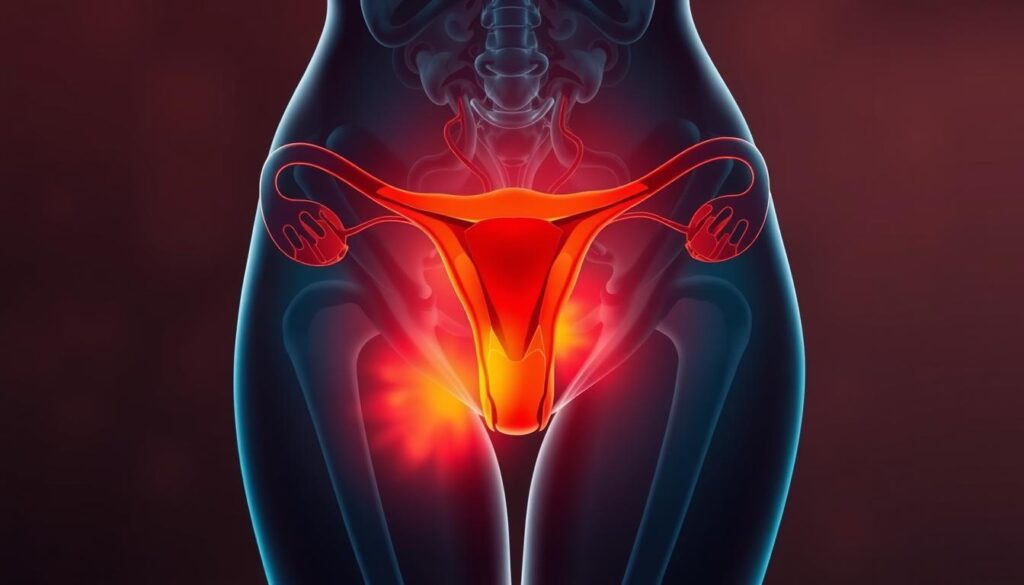
Pelvic Inflammatory Disease (PID) is a serious condition affecting women’s reproductive health. It often goes unnoticed. About 1 in 8 women might experience this fallopian tube infection during their reproductive years1.
Up to 90% of PID cases come from bacterial infections spread through sexually transmitted infections1. These infections can quietly damage your reproductive organs. Early detection is vital to prevent potential fertility problems1.
Your body may not always show clear warning signs. This makes regular sexual health check-ups essential. Staying informed and proactive can lower your risk of serious reproductive health issues.
Key Takeaways
- PID affects approximately 1 in 8 women of reproductive age
- 90% of PID cases result from bacterial sexually transmitted infections
- Early detection is critical in preventing long-term reproductive complications
- Regular sexual health screenings are recommended
- Some PID cases can be asymptomatic, making professional check-ups important
What is Pelvic Inflammatory Disease (PID)?
Pelvic Inflammatory Disease is a serious reproductive health issue. It can greatly affect a woman’s overall well-being. Learning about PID is key for early detection and prevention.
Understanding the Basics of PID
PID is an infection of the upper female reproductive organs. It mainly affects the uterus, fallopian tubes, and ovaries1. Most cases come from bacterial infections in the reproductive tract1.
Primary Causes of PID
The primary causes of PID include:
- Sexually transmitted infections like chlamydia and gonorrhea1
- Mycoplasma genitalium infections1
- Bacterial transmission from vagina or cervix to reproductive organs1
Risk Factors for PID
Your risk of getting PID goes up with certain factors:
| Risk Factor | Impact |
|---|---|
| Age | Higher risk for sexually active women under 2523 |
| Sexual Partners | Multiple partners elevate infection risk3 |
| Birth Control | IUD use can slightly increase risk in first three weeks2 |
To prevent PID, get regular STD screenings and practice safe sex. Stay in a monogamous relationship with a partner who tests negative for STIs2.
Early detection and quick treatment are vital. They help prevent long-term issues like infertility and ectopic pregnancy1.
PID affects nearly 1 million women each year in the United States3. Understanding this condition is crucial for protecting your reproductive health.
Recognizing the Symptoms of PID
Knowing Pelvic Inflammatory Disease (PID) signs helps protect your reproductive health. PID can develop quietly. Early detection is crucial for preventing serious complications through timely medical intervention.
Common Symptoms to Watch For
PID presents several warning signs you should never ignore. Key symptoms include:
- Persistent pelvic pain that ranges from mild to intense
- Unusual vaginal discharge with an unpleasant odor
- Bleeding between periods
- Painful urination
Severe Symptoms Requiring Immediate Attention
Some PID symptoms demand urgent medical care. Watch out for these critical signs:
- High fever exceeding 101°F
- Severe lower abdominal pain
- Intense nausea and vomiting
- Foul-smelling vaginal discharge
Symptoms in Different Stages of PID
PID symptoms can vary across different stages. Over 750,000 women in the U.S. experience acute PID episodes yearly4.
Sexually active women under 25 face higher risks5. About 50% of diagnosed cases show positive tests for specific bacterial infections6.
Early detection and treatment are key to preventing long-term reproductive health complications.
Without proper treatment, up to 15 percent of women with PID may become infertile4. If you notice these symptoms, consult your healthcare provider immediately.
The Importance of Timely Diagnosis and Treatment
Early detection can greatly impact your reproductive health. Pelvic Inflammatory Disease (PID) needs quick medical care to avoid serious long-term issues. Over a million women get PID each year, making it a major health concern7.
Doctors diagnose PID through a full clinical check-up. Antibiotics are the main way to treat this condition. They target the underlying bacterial infections.
About 12% of women can’t have kids after just one PID episode. This shows why fast action is crucial8. PID also makes ectopic pregnancy seven times more likely8.
Untreated PID can cause lasting pelvic pain and fertility problems. Doctors suggest early diagnosis and immediate treatment7. Your healthcare team will likely give you a mix of antibiotics.
Most PID cases involve multiple bacteria. Treatment usually lasts two weeks7. Quick and thorough care is key to protecting your reproductive health.
FAQ
What exactly is Pelvic Inflammatory Disease (PID)?
PID infects your upper female reproductive organs. It’s caused by sexually transmitted bacteria like gonorrhea or chlamydia. Without treatment, PID can lead to infertility and chronic pelvic pain.
Who is most at risk of developing PID?
You’re at higher risk if you’re sexually active under 25. Having multiple partners or not using condoms consistently also increases risk. Women who douche regularly or recently had an IUD inserted face slightly higher risk.
What are the typical symptoms of Pelvic Inflammatory Disease?
Common PID symptoms include lower abdominal and pelvic pain. Unusual vaginal discharge with an unpleasant odor is another sign. Pain during sex, fever with chills, and painful urination are also symptoms.
Severe symptoms might include intense abdominal pain and nausea. High fever (above 101°F) and foul vaginal discharge can also occur.
How is PID diagnosed?
Diagnosing PID involves assessing your symptoms and a thorough pelvic examination. Your healthcare provider will perform a physical exam. They may recommend laboratory tests to confirm the infection.
What is the standard treatment for PID?
Treatment typically involves a 14-day course of antibiotics. A combination of medications targets various potential pathogens. It’s crucial that your sexual partners are also treated to prevent reinfection.
What complications can occur if PID is left untreated?
Untreated PID can lead to infertility and ectopic pregnancies. Chronic pelvic pain and tubo-ovarian abscesses are also possible complications. Early diagnosis and treatment are critical to prevent these issues.
Can PID be prevented?
You can reduce your risk by practicing safe sex and using condoms. Limiting sexual partners and getting regular STI screenings also help. Avoiding douching and getting prompt treatment for STIs can lower your chances of PID.
How long does it take to recover from PID?
Recovery time varies depending on infection severity and treatment speed. Most women feel better within days of starting antibiotics. The full course typically takes two weeks. Follow your healthcare provider’s instructions carefully for complete recovery.
Source Links
- Pelvic inflammatory disease – https://www.nhs.uk/conditions/pelvic-inflammatory-disease-pid/
- About Pelvic Inflammatory Disease (PID) – https://www.cdc.gov/pid/about/index.html
- Pelvic inflammatory disease (PID) – https://www.mountsinai.org/health-library/diseases-conditions/pelvic-inflammatory-disease-pid
- Pelvic inflammatory disease – http://www.idph.state.il.us/public/hb/hbpid.htm
- Pelvic Inflammatory Disease (PID) – https://www.hopkinsmedicine.org/health/conditions-and-diseases/pelvic-inflammatory-disease-pid
- Pelvic Inflammatory Disease (PID) – STI Treatment Guidelines – https://www.cdc.gov/std/treatment-guidelines/pid.htm
- Management of Pelvic Inflammatory Disease in Clinical Practice – https://pmc.ncbi.nlm.nih.gov/articles/PMC9939802/
- Guidelines for Prevention and Management – https://www.cdc.gov/mmwr/preview/mmwrhtml/00031002.htm

