
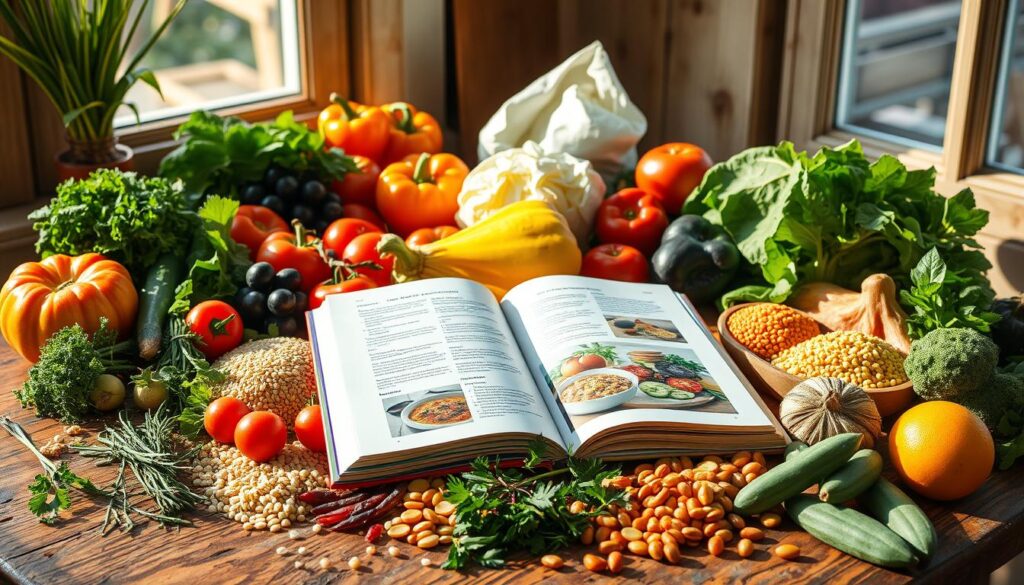
A plant-based diet can revolutionize your health and lifestyle. Vegetarian eating offers many perks for your body and the planet. Over 16 million Americans have already ditched meat1.
Vegetarians often enjoy major health benefits. They usually have a lower BMI and can shed more pounds. Studies show vegetarians lose up to 4.5 pounds more over 18 weeks than meat-eaters2.
This diet works wonders for those with type 2 diabetes. It’s nearly twice as effective for weight loss compared to standard low-calorie diets2. Vegetarian meals provide key nutrients from plants, grains, legumes, nuts, and seeds2.
The switch might seem tough, but good planning ensures you get all needed nutrients. In Asia, about 19% of people already follow a vegetarian diet2.
Key Takeaways
- Vegetarian diets offer multiple health benefits
- Weight loss can be more effective with plant-based nutrition
- Proper nutrient planning is crucial for success
- Variety of protein sources are available in vegetarian diets
- Environmental impact can be reduced by choosing meat-free options
Understanding Different Types of Vegetarian Diet
Vegetarian diets offer a variety of nutritional options and personal choices. Each approach has its own benefits and challenges. These diets can help reduce or eliminate animal products from meals3.
Many people now choose vegetarian diets for health and environmental reasons. These diets have become more popular in recent years. Knowing the different types can help you pick the best one for you4.
Lacto-ovo Vegetarian Diet
This diet allows dairy and eggs but no meat. It’s a popular vegetarian choice. Lacto-ovo vegetarians can easily get enough protein from various sources.
- Eggs
- Dairy products
- Legumes
- Nuts and seeds
Vegan Diet Essentials
Vegan diets exclude all animal products. They require careful planning to ensure good nutrition3. Many vegan alternatives are now available.
- Plant-based dairy substitutes
- Nutritional supplements
- Fortified foods
Pescatarian and Flexitarian Options
Pescatarian and flexitarian diets offer more flexible approaches. These diets focus on plant-based meals. Flexitarians may eat meat occasionally3.
| Diet Type | Animal Products Allowed | Key Considerations |
|---|---|---|
| Lacto-ovo Vegetarian | Eggs and Dairy | Easy protein intake |
| Vegan | None | Requires careful nutrient planning |
| Pescatarian | Fish | Additional protein and omega-3 sources |
| Flexitarian | Occasional Meat | Flexible plant-based approach |
Nutritional awareness is key when adopting any vegetarian diet. Consult a nutritionist to ensure you’re meeting all your dietary needs.
Essential Nutrients on a Vegetarian Diet
A vegetarian diet needs careful planning to get all necessary nutrients. Plant-based diets can be very nutritious when meals are balanced well5.
Protein Power for Vegetarians
Vegetable protein sources are vital for muscle health and overall nutrition. Legumes are nutritional powerhouses, offering high protein content5.
- Lentils: 9 grams of protein per half-cup
- Tofu and tempeh: Protein levels comparable to meat
- Soy products: Excellent protein alternatives
Conquering Nutritional Challenges
Plant-based iron needs strategic consumption. Spinach provides 2.1 milligrams of iron per half-cup5.
Pro tip: Pair iron-rich foods with vitamin C to boost absorption.
Critical Supplements
Vitamin B12 supplements are crucial for vegetarians. Adults need about 2.4 micrograms daily5.
This can be obtained through fortified foods or supplements.
Omega-3 for Vegetarians
Omega-3 fatty acids need extra attention in vegetarian diets. Consider adding these to your meals:
- Flaxseeds
- Chia seeds
- Walnuts
“A well-planned vegetarian diet can provide all necessary nutrients for optimal health.” – Nutrition Experts
| Nutrient | Plant-Based Sources | Daily Recommended Intake |
|---|---|---|
| Calcium | Leafy greens, fortified plant milk | 1000-1200 mg |
| Vitamin D | Fortified foods, mushrooms | 600 IU |
| Iron | Spinach, lentils, fortified cereals | 8-18 mg |
Variety is key in a vegetarian diet. Eating a wide range of nutrient-rich foods helps you thrive6.
Conclusion
Starting a vegetarian diet can transform your health and lifestyle. Vegetarian weight loss becomes achievable with strategic, nutrient-rich meal planning. Whole grains, legumes, fruits, and vegetables create a sustainable eating plan for wellness7.
Vegetarian restaurants offer exciting, innovative meatless recipes. Chefs now challenge traditional ideas about plant-based cuisine. You’ll discover diverse flavors that celebrate a wide range of ingredients8.
Your vegetarian journey is unique. Some choose this diet for health, others for ethical reasons8. A registered dietitian can help develop a personalized nutrition strategy.
With careful planning and an open mind, your vegetarian lifestyle can be rewarding. You’ll gain confidence in your dietary choices over time. Embrace this new way of eating as an enriching experience.
FAQ
What exactly is a vegetarian diet?
A vegetarian diet excludes meat, fish, and poultry. Several types exist, including lacto-ovo, vegan, pescatarian, and flexitarian. The focus is on plant-based foods like fruits, vegetables, grains, legumes, nuts, and seeds.
What are the health benefits of a vegetarian diet?
Vegetarian diets offer numerous health perks. They can lower the risk of heart disease, diabetes, and certain cancers. These diets also help manage weight and improve cholesterol levels.
A well-planned vegetarian diet provides excellent nutrition. It supports long-term health while meeting nutritional needs.
How can I ensure I’m getting enough protein on a vegetarian diet?
Plant-based sources offer plenty of protein. Legumes, nuts, seeds, tofu, tempeh, and whole grains are great options. Combine different sources to get a complete amino acid profile.
Quinoa, lentils, chickpeas, and beans can easily replace meat. These foods are rich in protein and other essential nutrients.
Do vegetarians need to take supplements?
Some vegetarians might need supplements for certain nutrients. Vitamin B12, iron, calcium, vitamin D, and omega-3 fatty acids are key to monitor. A dietitian can help determine if you need supplements based on your diet.
Is a vegetarian diet suitable for children and pregnant women?
A well-planned vegetarian diet can meet nutritional needs for all ages. This includes children and pregnant women. It’s crucial to ensure adequate intake of key nutrients.
Protein, calcium, iron, and vitamin B12 are especially important. Consult a healthcare professional for a balanced meal plan.
How do I transition to a vegetarian diet?
Start by adding more plant-based meals and reducing meat intake. Try meatless recipes and explore vegetarian restaurants. Learn about plant-based protein sources and stock up on nutritious ingredients.
Be open to trying new foods. Remember, this is a personal journey. Go at a pace that feels comfortable for you.
What are some good meat alternatives?
Many tasty meat alternatives are available. Tofu, tempeh, seitan, and jackfruit are popular choices. Legumes like lentils and chickpeas can create hearty, protein-rich meals.
Brands like Beyond Meat and Impossible Foods offer realistic substitutes. These can make your transition easier and more enjoyable.
Can a vegetarian diet help with weight loss?
Vegetarian diets often support weight loss. They focus on whole, nutrient-dense foods that are typically lower in calories. Plant-based diets are rich in fiber, which helps you feel full.
For healthy weight loss, maintain a balanced diet. Avoid processed vegetarian foods for best results.
Source Links
- The Ultimate Beginner’s Guide to Going Vegetarian – https://www.goodhousekeeping.com/health/diet-nutrition/a36120401/how-to-be-a-vegetarian/
- The Vegetarian Diet: A Beginner’s Guide and Meal Plan – https://www.healthline.com/nutrition/vegetarian-diet-plan
- 6 Types of Vegetarian Diets: A Dietitian Explains – https://www.healthline.com/nutrition/types-of-vegetarians
- Vegetarian diet: How to get the best nutrition – https://www.mayoclinic.org/healthy-lifestyle/nutrition-and-healthy-eating/in-depth/vegetarian-diet/art-20046446
- Food Sources of 5 Important Nutrients for Vegetarians – https://www.eatright.org/health/wellness/vegetarian-and-plant-based/food-sources-of-5-important-nutrients-for-vegetarians
- Vegetarian Diet: MedlinePlus – https://medlineplus.gov/vegetariandiet.html
- Digging a Vegetarian Diet – https://newsinhealth.nih.gov/2012/07/digging-vegetarian-diet
- Vegetarian Diet: An Overview through the Perspective of Quality of Life Domains – https://pmc.ncbi.nlm.nih.gov/articles/PMC8069426/

