
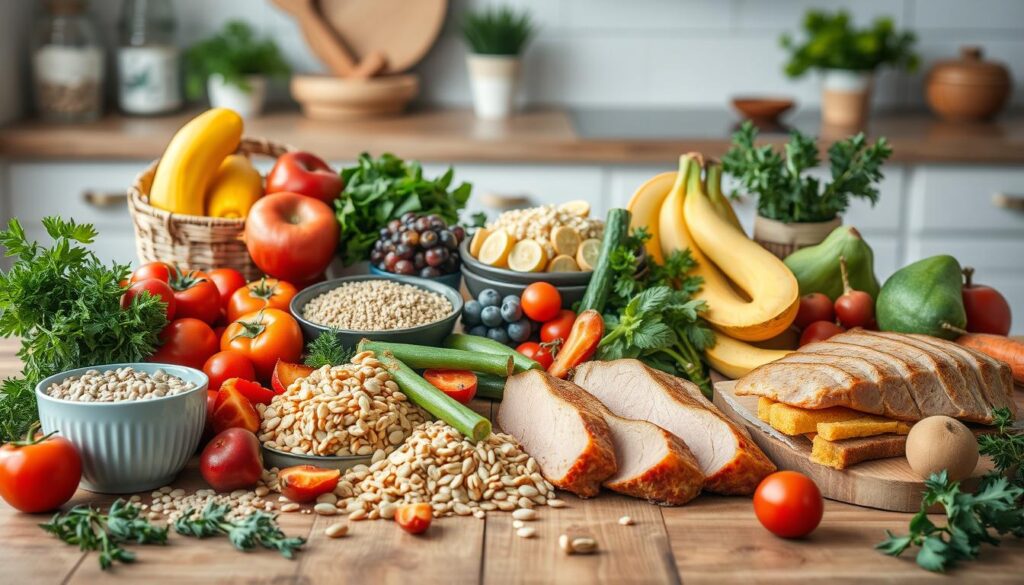
Diverticulitis can be tough to manage. Your diet is key in controlling this condition. By adjusting your eating habits, you can improve your overall well-being1.
During a flare-up, your doctor may suggest specific dietary changes. For mild symptoms, a clear liquid diet might be recommended. This approach lets your digestive system rest and heal12.
Flexibility is crucial when managing diverticulitis. You’ll slowly add foods back into your diet. Start with low-fiber options before adding high-fiber foods1.
Good nutrition can help prevent future attacks. It also supports your overall digestive health3.
Key Takeaways
- Diverticulitis diet changes based on your current condition
- Clear liquids can help manage mild diverticulitis symptoms
- Gradually reintroduce fiber to prevent future flare-ups
- Hydration is crucial for digestive health
- Consult with healthcare professionals for personalized dietary advice
Understanding Diverticulitis: Signs, Symptoms, and Causes
Diverticulitis is a complex digestive condition affecting millions worldwide. This inflammatory disorder develops in the colon’s delicate lining. It can significantly impact your gastrointestinal health4.
What Happens During a Diverticulitis Flare-Up
During a flare-up, small pouches called diverticula become inflamed or infected. Symptoms can range from mild to severe. They typically include:
- Severe abdominal pain (often in the lower left side)5
- Fever and chills4
- Nausea and vomiting5
- Changes in bowel movements4
Common Triggers and Risk Factors
Several key factors can increase your risk of developing diverticulitis:
| Risk Factor | Impact on Diverticulitis |
|---|---|
| Age | More common after age 506 |
| Diet | Low-fiber foods increase risk6 |
| Lifestyle | Obesity, smoking, lack of exercise6 |
The Role of Fiber in Digestive Health
Fiber is crucial for preventing diverticulitis. It improves waste movement through your colon and reduces inflammation risks6.
Aim for 25-35 grams of fiber daily to support your gastrointestinal health.
“Understanding your body’s signals is key to managing diverticulitis effectively.”
Diverticulitis Diet: Managing Your Condition Through Food
Your diet is key in managing diverticulitis. Your approach will change based on your illness stage. During flare-ups, a planned diet can ease discomfort and support healing diverticulitis management.
A diverticulitis diet progresses through several stages. These include a clear liquid diet, low-fiber foods, and gradual reintroduction of high-fiber foods.
- Clear liquid diet during acute symptoms
- Low-fiber foods (10-15 grams per day)
- Gradual reintroduction of high-fiber foods
Clear liquids help manage symptoms and prevent dehydration7. These include broths, pulp-free fruit juices, and herbal teas. As you recover, low-fiber foods become more suitable.
| Diet Stage | Recommended Foods |
|---|---|
| Acute Phase | Clear liquids, broths, water |
| Recovery Phase | White rice, pasta, lean meats |
| Prevention Phase | Whole grains, legumes, fruits |
For long-term care, a high-fiber diet can lower your risk of future flare-ups8. Aim for 30-35 grams daily. Include soluble and insoluble fiber from whole grains, legumes, and fresh produce.
“Nutrition is your first line of defense against diverticulitis.” – Digestive Health Experts
Stay hydrated by drinking about half your body weight in ounces of water daily7. This helps your digestive health. It also prevents constipation, which is crucial in managing diverticular disease.
Conclusion
Managing diverticulitis prevention requires a holistic approach to gut health. Lifestyle changes can reduce your risk by up to 50%. Key strategies include maintaining a healthy weight, exercising regularly, and quitting smoking9.
Your diet plays a crucial role in managing diverticulitis. A targeted nutritional approach can significantly impact your digestive wellness. Eating more fruits, vegetables, and whole grains may lower your risk9.
Genetics account for about 50% of your susceptibility to diverticulitis. This means your diet and lifestyle choices can make a big difference9. Less than 5% of people with diverticulosis develop diverticulitis9.
Early intervention and smart food choices can help maintain optimal gut health. Consider talking to a healthcare professional about a personalized diet plan. This can address your specific needs and reduce potential complications.
Diverticulitis management is an ongoing process. Stay informed and make thoughtful dietary choices. Maintain an active lifestyle to support your gut health and reduce future flare-ups.
FAQ
What exactly is diverticulitis?
Diverticulitis occurs when small pouches in the colon wall become inflamed or infected. These pouches, called diverticula, can develop in the digestive tract. When irritated, they cause pain, often in the lower left abdomen.
What are the main symptoms of a diverticulitis flare-up?
Common symptoms include abdominal pain, usually in the lower left side. Fever, nausea, vomiting, and changes in bowel movements may also occur. Symptom intensity can vary from mild to severe.
How does diet impact diverticulitis?
Diet plays a key role in managing diverticulitis. During flare-ups, a low-fiber or clear liquid diet may help. For prevention, a high-fiber diet (25-35 grams daily) supports digestive health.
What foods should I avoid during a diverticulitis flare-up?
During a flare-up, avoid high-fiber, tough, or hard-to-digest foods. Stick to clear liquids and low-fiber options. Choose white bread, rice, lean meats, and cooked fruits and vegetables without seeds or skins.
Can I prevent diverticulitis?
While complete prevention isn’t guaranteed, you can lower your risk. Eat a high-fiber diet, stay hydrated, and exercise regularly. Maintain a healthy weight and avoid smoking to reduce your chances.
How much fiber should I consume?
For prevention, aim for 25-35 grams of fiber daily. Include whole grains, legumes, fruits, vegetables, nuts, and seeds. During flare-ups, temporarily reduce fiber intake to 10-15 grams per day.
What are the risk factors for developing diverticulitis?
Key risk factors include age (more common in adults over 40) and a low-fiber diet. Lack of exercise, obesity, smoking, and genetic predisposition also increase risk. The chances go up as you age.
How much water should I drink if I have diverticulitis?
Drink about half your body weight in ounces of water daily. Proper hydration helps maintain digestive health. It also supports the effectiveness of a high-fiber diet.
Can I eat nuts and seeds with diverticulitis?
Current research suggests nuts and seeds are safe for people with diverticulitis. They can be part of a healthy diet. Always check with your doctor about your specific dietary needs.
When should I see a doctor about diverticulitis?
See a doctor if you have persistent abdominal pain or fever. Seek help for significant changes in bowel habits. Medical attention is needed if symptoms don’t improve with diet changes.
Source Links
- Diverticulitis diet – https://www.mayoclinic.org/healthy-lifestyle/nutrition-and-healthy-eating/in-depth/diverticulitis-diet/art-20048499
- Diet for Managing Diverticulitis – https://www.verywellhealth.com/what-to-eat-for-diverticulosis-1944730
- Foods for Diverticulosis and Diverticulitis – https://www.hopkinsmedicine.org/health/wellness-and-prevention/foods-for-diverticulosis-and-diverticulitis
- Diverticulosis | Diverticulitis | MedlinePlus – https://medlineplus.gov/diverticulosisanddiverticulitis.html
- Diverticulitis – https://my.clevelandclinic.org/health/diseases/10352-diverticulitis
- Diverticulitis – Symptoms and causes – https://www.mayoclinic.org/diseases-conditions/diverticulitis/symptoms-causes/syc-20371758
- Managing Symptoms with an Effective Diverticulitis Diet – https://tddctx.com/gastroenterology-blog/managing-symptoms-with-an-effective-diverticulitis-diet
- How To Manage Diverticulitis With Diet – https://www.henryford.com/blog/2023/12/how-to-manage-diverticulitis-with-diet
- Diverticulitis diet: Foods to eat and avoid – https://www.medicalnewstoday.com/articles/327259

