
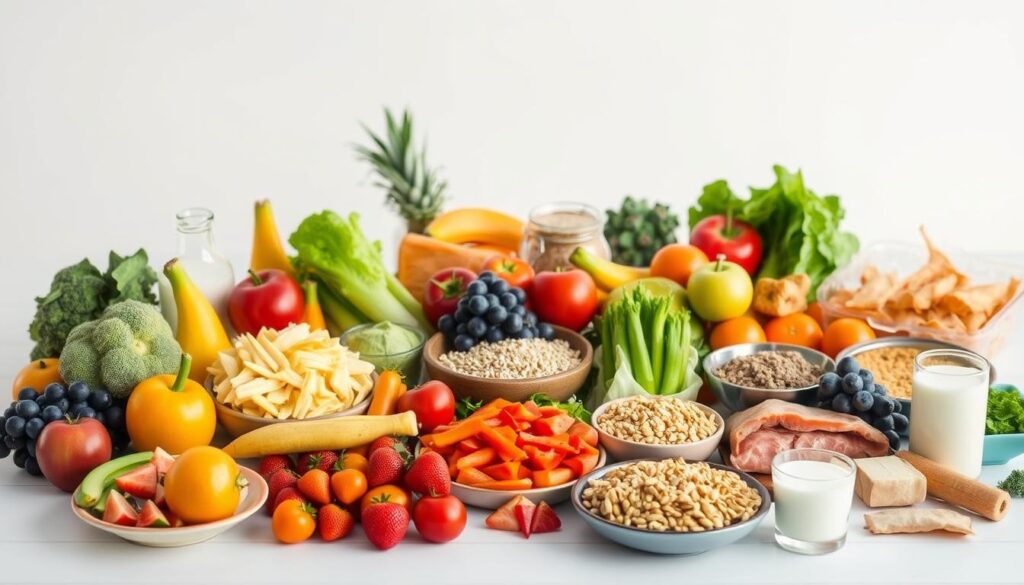
Adapting your diet after gallbladder removal can be tricky. But with the right approach, you can manage your digestive health well. Understanding how to adjust your nutrition is key for comfort and wellness1.
The gallbladder diet needs careful planning. Your body must adapt to processing food without this organ. Eat smaller, more frequent meals to ease digestion1.
After surgery, you may notice changes in digestion. Staying hydrated is crucial for comfortable food processing and nutrient absorption1.
Choose low-fat, high-protein foods like lean meats, fish, and tofu. Include fresh produce in your meals. Avoid high-fat and processed foods to prevent digestive issues1.
Keep a food journal to track which foods work best for you. This can help guide your dietary choices during recovery1.
Key Takeaways
- Eat smaller, more frequent meals to reduce digestive strain
- Stay hydrated to support nutrient absorption
- Choose low-fat, high-protein food options
- Gradually introduce high-fiber foods
- Monitor your body’s response through a food journal
Understanding Gallbladder Function and Its Role in Digestion
Your gallbladder is vital for digestive health. It’s a small organ that helps process fats in your body. Knowing how it works can improve your diet and digestive wellness.
Why Your Gallbladder Matters
The gallbladder stores bile, a special fluid made by the liver. This fluid breaks down fats and helps absorb nutrients. Bile salt supplements can help balance digestion, especially after gallbladder removal2.
- Stores and concentrates bile
- Supports fat digestion
- Helps absorb fat-soluble vitamins
How Removal Affects Digestion
Gallbladder removal surgery is called cholecystectomy2. After removal, bile flows straight into the small intestine. This can change how your body handles digestive enzymes and absorbs nutrients3.
| Digestive Impact | Potential Changes |
|---|---|
| Bile Flow | Continuous, less controlled release |
| Fat Digestion | May require dietary adjustments |
| Nutrient Absorption | Potential temporary alterations |
The Bile Process Without a Gallbladder
You can still have great digestive health without a gallbladder. Use strategies to prevent gallstones and try digestive enzymes. These steps can help manage any possible issues3.
“Your body is remarkably adaptable and can adjust to changes in digestive function.” – Digestive Health Experts
After surgery, you might notice changes in your bowel movements. Don’t worry, this often gets better within a few weeks3. Understanding your new digestive process helps you make smart food choices.
Initial Dietary Changes After Surgery
Your body needs special care after gallbladder removal. The first few weeks require careful food choices to support healing. Understanding the right approach can make your recovery smoother and more comfortable.
Foods to Avoid Immediately
Right after surgery, be cautious about your food choices. Certain foods can trigger digestive issues and slow down recovery. Avoid these items during the initial healing phase:
- High-fat meals that can cause digestive stress4
- Spicy foods that might irritate your stomach4
- Processed baked goods and tropical oils4
- Full-fat dairy products5
Recommended Foods During Recovery
Focus on low-fat meals that support gentle digestion. Your diet should include:
- Lean proteins like egg whites4
- Fat-free dairy products4
- Fresh fruits and vegetables4
- Small, healthy portions to aid GERD management5
Importance of Hydration
Staying hydrated is crucial during your recovery. Drink plenty of water, broths, and sports drinks to replace lost fluids. Aim for 8-10 glasses daily to prevent constipation and support healing.
Remember, gradually reintroducing foods and listening to your body are key to a successful recovery.
Manage your fiber intake carefully. Start with soluble fiber sources like black beans and oatmeal. Slowly add insoluble fiber foods over several weeks.
Keeping a food diary can help track your body’s responses. This will help you identify comfortable foods.
Most patients can return to a regular diet within a month. Always consult your healthcare provider if you experience persistent symptoms.
Building a Balanced Long-Term Diet
Your nutrition is key after gallbladder removal. A thoughtful plan helps you adapt to new digestive patterns6.
This approach maintains your digestive health. It supports your body’s new way of processing food.
Incorporating Healthy Fats
After surgery, be careful with fats. Experts suggest adding healthy fats slowly. Try small amounts of avocados, olive oil, and nuts7.
- Choose unsaturated fats over saturated options
- Limit fat intake to 3 grams per serving6
- Select lean protein sources
High-Fiber Foods for Digestive Health
Fiber is vital after gallbladder surgery. Slowly increase high-fiber foods to help digestion6.
| High-Fiber Food Groups | Recommended Servings |
|---|---|
| Whole Grains | 4-6 servings daily |
| Legumes | 2-3 servings daily |
| Fruits | 2-4 servings daily |
| Vegetables | 3-5 servings daily |
Meal Planning Tips
Low-fat meals are now crucial. Eat smaller, frequent meals to help bile mix well6.
Try these helpful strategies:
- Prepare meals in advance
- Focus on lean proteins like chicken and fish7
- Stay hydrated
- Consider a multivitamin supplement6
Remember, your body needs time to adjust. Be patient and listen to your digestive system.
Consult your healthcare provider for personalized nutritional guidance tailored to your specific needs.
Managing Common Post-Surgery Symptoms
Your body needs time to adjust after gallbladder removal. Understanding post-surgery symptoms helps you recover better. Your gallbladder diet is key in managing digestive challenges8.
Diarrhea, bloating, and belly discomfort are common after surgery. These happen because bile flows straight into your small intestine now. GERD management and digestive enzymes can help ease these issues9.
Try eating smaller meals and slowly adding more fiber. Pay attention to how your body reacts to different foods. Some people may see weight changes, so keep track of what you eat10.
If symptoms don’t get better, talk to your doctor. They can provide guidance and support during your recovery8.
Look out for warning signs like ongoing diarrhea, yellow skin, or bad belly pain. These might mean you need medical help. Remember, everyone’s recovery is different, so be patient with your body9.
FAQ
How long will I experience digestive changes after gallbladder removal?
Digestive changes are common after gallbladder surgery. They can last from a few weeks to several months. Most patients experience diarrhea as their body adapts to new bile flow patterns.
Everyone’s recovery is unique. Be patient with your body and note how different foods affect you.
What foods should I avoid immediately after gallbladder surgery?
After surgery, avoid fatty, greasy, fried, spicy, and sugary foods. These can cause digestive discomfort and diarrhea. Focus on bland, easily digestible foods like lean proteins and cooked vegetables.
Start with small portions. Gradually expand your diet as you heal.
Can I eat fatty foods after gallbladder removal?
You’ll need to modify your fat intake. Add healthy fats like olive oil and nuts in small amounts. Choose lean proteins and low-fat dairy products.
Slowly introduce fats to help your body adjust. If you feel discomfort, reduce fat intake and talk to your doctor.
How can I prevent diarrhea after gallbladder surgery?
To manage diarrhea, eat smaller, more frequent meals. Stay hydrated and slowly add high-fiber foods to your diet. Consider using probiotics to support digestive health.
Avoid trigger foods like caffeine, alcohol, and fatty or spicy meals. If diarrhea persists, ask your doctor about treatments.
What is Post-Cholecystectomy Syndrome (PCS)?
PCS affects 5-30% of patients after gallbladder removal. It causes symptoms like abdominal pain, diarrhea, and flatulence. PCS occurs when your body struggles to adjust to bile flow changes.
Watch your diet and eat smaller meals. Work with your doctor to manage symptoms. Some patients benefit from digestive enzyme supplements or dietary changes.
When should I see a doctor about post-surgery symptoms?
Seek medical help if you have persistent diarrhea, jaundice, abdominal swelling, vomiting, or high fever. These could signal complications like infection or bile duct issues.
Don’t hesitate to consult your doctor about ongoing digestive problems or significant discomfort.
How can I ensure I’m getting proper nutrition after gallbladder removal?
Eat a balanced diet with lean proteins, whole grains, fruits, and vegetables. Choose low-fat dairy or calcium-rich alternatives. Consider working with a nutritionist for a personalized meal plan.
Some patients benefit from bile salt supplements or digestive enzymes. These can support nutrient absorption and reduce digestive discomfort.
Source Links
- Ultimate Guide to Gallbladder Diet After Surgery – https://tinsleysurgical.com/gallbladder-diet-tips-after-removal/
- Gallbladder removal – https://www.nhs.uk/conditions/gallbladder-removal/
- Cholecystectomy – https://medschool.cuanschutz.edu/surgery/divisions-centers-affiliates/gites/patient-care/cholecystectomy
- What to Know About Diet After Gallbladder Surgery – https://www.webmd.com/digestive-disorders/what-to-know-diet-after-gallbladder-surgery
- How To Change Your Diet After Gallbladder Removal – https://health.clevelandclinic.org/diet-after-gallbladder-removal
- Can you recommend a diet after gallbladder removal? – https://www.mayoclinic.org/tests-procedures/cholecystectomy/expert-answers/gallbladder-removal-diet/faq-20057813
- Gallbladder Removal Diet – https://www.healthline.com/health/gallbladder-removal-diet
- Gallbladder Removal Diet: What To Eat | Mr Achal Khanna – https://www.privatesurgeonmiltonkeynes.com/gallbladder-removal-diet-what-to-eat-and-avoid/
- Gall Bladder Post-Op – Division of Gastrointestinal Surgery – https://www.med.unc.edu/surgery/gisurgery/forpatients/diseases-conditions/gall-bladder/gall-bladder-post-op/
- Weight loss after gallbladder removal: Management and more – https://www.medicalnewstoday.com/articles/317659

