
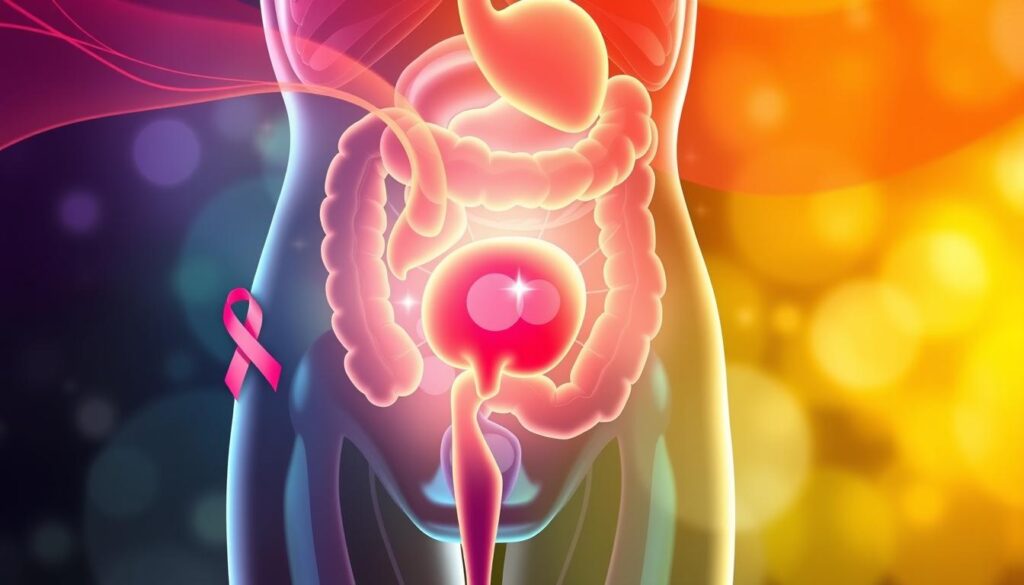
Rectal cancer affects thousands yearly, developing in the large intestine’s final section. Early detection and treatment are vital. This type of colorectal cancer presents unique challenges for diagnosis and treatment1.
Rectal cancer often lacks obvious early warning signs. The risk increases significantly with age, especially for elderly individuals1. Knowing risk factors and potential symptoms can help you take proactive health steps.
Several factors can raise your colorectal cancer risk. These include type 2 diabetes, family history of cancer, and obesity2. Your diet, alcohol intake, and physical activity also play crucial roles in cancer prevention2.
Key Takeaways
- Rectal cancer is a serious health condition affecting the large intestine
- Age and lifestyle factors significantly impact cancer risk
- Early detection is crucial for successful treatment
- Regular screenings can help identify precancerous conditions
- Maintaining a healthy lifestyle can reduce cancer risks
What is Rectal Cancer and Who is at Risk?
Rectal cancer develops when cells in the rectum grow out of control. This serious bowel cancer disrupts normal tissue function. Your risk depends on various factors that doctors assess during screenings3.
Many elements influence your chances of getting rectal cancer. These include age, genetics, and lifestyle choices. Doctors evaluate these factors carefully during cancer screenings4.
Understanding Your Personal Risk Profile
Several key factors affect your likelihood of developing rectal cancer:
- Age plays a significant role, with most cases occurring after 50 years old3
- Genetic predisposition increases potential risk3
- Lifestyle choices significantly impact cancer development4
Key Risk Factors to Consider
Your personal health history can greatly affect cancer risk. Some specific factors include:
- Inflammatory bowel diseases
- Inherited genetic syndromes
- Lifestyle habits like smoking and alcohol consumption3
“Knowing your risk factors is the first step in prevention and early detection.” – Cancer Research Experts
Family History Significance
Genes play a crucial role in colon cancer risks. About 5% of colorectal cancers come from inherited gene changes. Lynch syndrome accounts for 2-4% of these cases3.
Knowing these risk factors helps you work with doctors. Together, you can create personalized screening and prevention plans.
Recognizing the Symptoms of Rectal Cancer
Knowing rectal cancer symptoms is vital for early detection and treatment. Colon and rectal cancers rank fourth among common cancers in the US. In 2022, an estimated 151,030 new cases were diagnosed5.
Spotting warning signs can greatly impact your health outcome. Early detection increases the chances of successful treatment and recovery.
Early Warning Signs to Watch
Rectal cancer might not show immediate symptoms in its early stages6. However, some key warning signs exist.
- Changes in bowel habits
- Persistent diarrhea or constipation
- Narrow stools
- Blood in stool or rectal bleeding
Advanced Symptoms to Monitor
As the disease progresses, more noticeable symptoms may appear. These can affect your daily life and overall health.
- Unexplained weight loss
- Persistent fatigue
- Abdominal cramps or pain
- Feeling of incomplete bowel emptying
“Early detection is key in managing rectal cancer effectively”
When to Seek Medical Attention
Your lifetime risk of developing colon or rectal cancer is 4.1%. Regular screenings are crucial for early detection5.
Consult a doctor if you notice persistent cancer symptoms. Any unusual body changes should prompt immediate medical attention.
| Symptom Category | Key Indicators |
|---|---|
| Digestive Changes | Altered bowel habits, blood in stool |
| Physical Symptoms | Unexplained weight loss, fatigue |
| Pain Indicators | Abdominal cramps, rectal discomfort |
Remember, average-risk patients should begin screening at age 455. Regular check-ups help detect issues early and improve treatment outcomes.
Treatment Options for Rectal Cancer
Understanding rectal cancer treatment options helps you make informed decisions. Each stage requires a unique approach. Treatments range from minimally invasive procedures to comprehensive oncology strategies7.
Surgical interventions are crucial for rectal cancer treatment. Early-stage cancers might only need polypectomy or local excision7. Advanced stages may require extensive removal of tumors and affected lymph nodes.
Rectal cancer treatments vary based on your specific diagnosis8. Your care team will tailor the approach to your needs.
Radiation therapy and chemotherapy are powerful cancer-fighting tools. They can shrink tumors before surgery or eliminate remaining cancer cells after8. Advanced cases might benefit from targeted therapies and immunotherapy7.
Your oncology team will create a personalized treatment plan. They’ll consider your cancer’s stage, location, and overall health. Staging tests like CT scans and MRIs guide the best approach8.
A multidisciplinary team of specialists offers comprehensive care. This approach ensures you receive the best possible treatment for your colorectal cancer.
FAQ
What exactly is rectal cancer?
Rectal cancer develops in the last few inches of the large intestine. It occurs when cells in the rectum grow abnormally. This cancer is usually grouped with colon cancer under the term colorectal cancer.
Who is most at risk for developing rectal cancer?
People over 50 or with a family history of colorectal cancer face higher risks. Obesity, smoking, heavy drinking, and a low-vegetable diet also increase risk.
Those with inflammatory bowel diseases or inherited syndromes like Lynch syndrome are more vulnerable. African Americans have a higher incidence of colorectal cancer compared to other groups.
What are the early warning signs of rectal cancer?
Early signs include changes in bowel habits, narrow stools, and blood in the stool. You might feel your bowel doesn’t empty completely or experience unexplained abdominal pain.
As the disease progresses, weight loss, weakness, and fatigue may occur. Persistent bleeding and severe abdominal pain are later symptoms.
How is rectal cancer diagnosed?
Diagnosis involves a medical history review, physical exam, and screening tests. Colonoscopy, sigmoidoscopy, and imaging tests like CT scans help detect cancer.
Biopsies confirm the presence of cancerous cells and determine their characteristics.
What treatment options are available for rectal cancer?
Treatment depends on the cancer’s stage and may include surgery, radiation therapy, and chemotherapy. Surgical removal of the tumor is often the primary treatment.
Radiation and chemotherapy might be used before or after surgery. Emerging treatments like immunotherapy show promising results.
How important is early detection?
Early detection is crucial for successful treatment of rectal cancer. Regular screenings, starting at age 45 for average-risk individuals, help identify cancer early.
The earlier rectal cancer is found, the higher the chances of successful treatment and survival.
Can rectal cancer be prevented?
You can’t completely prevent rectal cancer, but you can lower your risk. Eat a diet rich in fruits and vegetables, exercise regularly, and maintain a healthy weight.
Limit alcohol, avoid smoking, and get regular cancer screenings to reduce your risk.
What is the survival rate for rectal cancer?
Survival rates depend on the cancer’s stage at diagnosis. Early detection can lead to a 5-year survival rate over 90%.
Later-stage cancers have lower survival rates. This highlights the importance of regular screenings and early detection.
Source Links
- Rectal Cancer Treatment – https://www.cancer.gov/types/colorectal/patient/rectal-treatment-pdq
- Rectal cancer – Symptoms and causes – https://www.mayoclinic.org/diseases-conditions/rectal-cancer/symptoms-causes/syc-20352884
- Colorectal Cancer Risk Factors | Hereditary Colorectal Risk Factors – https://www.cancer.org/cancer/types/colon-rectal-cancer/causes-risks-prevention/risk-factors.html
- Rectal Cancer – https://www.mdanderson.org/cancer-types/rectal-cancer.html
- Rectal Cancer | ASCRS – https://fascrs.org/patients/diseases-and-conditions/a-z/rectal-cancer
- Symptoms of colorectal cancer – https://cancer.ca/en/cancer-information/cancer-types/colorectal/signs-and-symptoms
- Rectal Cancer Treatment, by Stage | How to Treat Rectal Cancer – https://www.cancer.org/cancer/types/colon-rectal-cancer/treating/by-stage-rectum.html
- Rectal cancer – Diagnosis and treatment – https://www.mayoclinic.org/diseases-conditions/rectal-cancer/diagnosis-treatment/drc-20352889

