Marine tourism blends oceanic adventures with environmental awareness. It offers breathtaking experiences while connecting you to vital ecosystems. Oceans provide half the oxygen we need to survive1.
This makes marine tourism more than just recreation. It’s a chance to grasp our planet’s delicate balance1.
Seafarers now seek eco-friendly trips that protect marine environments. Whale watching and coastal tours offer unique views of underwater wonders2.
The Pacific Whale Foundation leads in eco-friendly ocean tours. For over 40 years, they’ve shown dedication to responsible marine tourism2.
Marine tourism offers great exploration but faces environmental challenges. Coastal activities can harm ecosystems through waste, overfishing, and habitat damage1.
Understanding these impacts is key. It helps create sustainable travel that protects our ocean treasures.
Key Takeaways
- Marine tourism connects travelers with critical ocean ecosystems
- Sustainable practices are essential for protecting marine environments
- Oceanic destinations offer unique and transformative travel experiences
- Responsible tourism supports marine conservation efforts
- Travelers can contribute to protecting maritime biodiversity
The Importance of Marine Ecosystems for Tourism
Marine ecosystems are vital for global tourism. They offer unique experiences that connect travelers with fascinating aquatic environments. These nautical wonderlands support entire global economies and ecological networks.
Coastal regions are crucial for economic and environmental sustainability. Marine ecosystems provide a significant portion of the world’s food supply, especially protein-rich seafood3. Their total economic value is estimated in trillions of dollars annually3.
Biodiversity and Marine Life
Marine ecosystems are biodiversity hotspots. They provide habitats for an incredible range of species3. These environments support complex food webs, critical breeding grounds, and migration pathways.
- Complex food webs
- Critical breeding grounds
- Migration pathways for numerous species
Economic Benefits of Marine Tourism
Coastal tourism is a major economic driver. In the EU, marine areas are the most popular tourism spots. They represent over one-third of the blue economy4.
EU coastal tourism generates about 45% of the blue economy sector’s gross added value4. This shows how important marine ecosystems are for local economies.
Conservation and Sustainable Practices
Responsible marine tourism needs careful management. Marine pollution remains a challenge. Single-use plastics make up 50-70% of litter on European beaches4.
Your choices as a traveler can greatly impact these delicate aquatic ecosystems. Small actions can make a big difference in preserving marine environments.
“Protecting marine ecosystems isn’t just an environmental necessity – it’s an economic imperative.”
Understanding these intricate nautical environments is crucial. By respecting marine ecosystems, travelers help preserve these remarkable spaces for future generations.
Popular Marine Destinations for Travelers
Oceanic wonders await in the world’s most stunning marine spots. These maritime locations offer a chance to explore nature’s spectacular ecosystems. Vibrant coral reefs and pristine waters create unforgettable experiences.
The Great Barrier Reef, Australia
The Great Barrier Reef is a top marine destination. This massive coral ecosystem stretches over 2,300 kilometers. It hosts an incredible diversity of marine life.
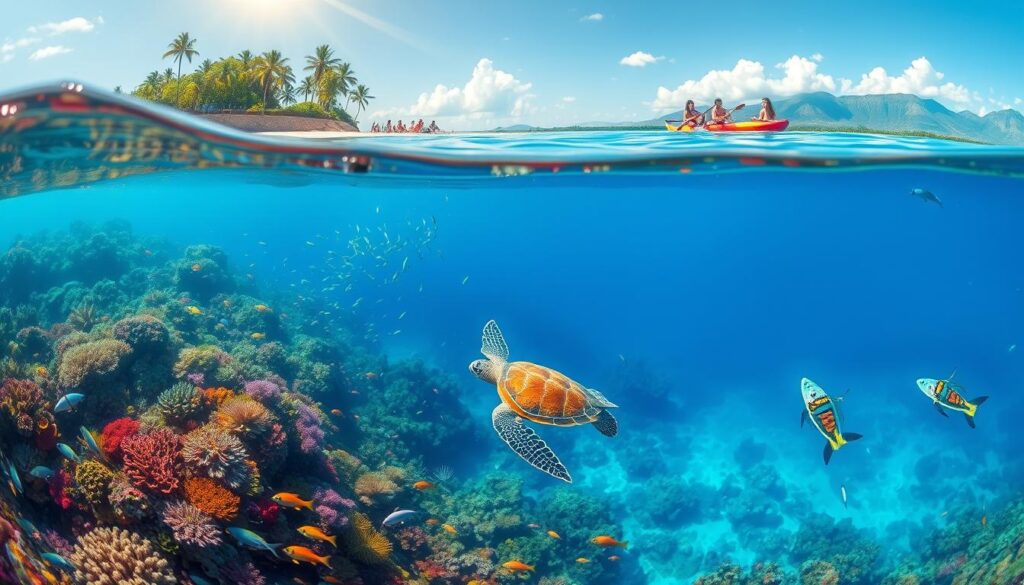
Visitors can explore extraordinary underwater landscapes. Colorful fish, sea turtles, and intricate coral formations abound5.
- Home to over 1,500 fish species
- UNESCO World Heritage site
- Offers diverse seafaring experiences
The Maldives’ Pristine Waters
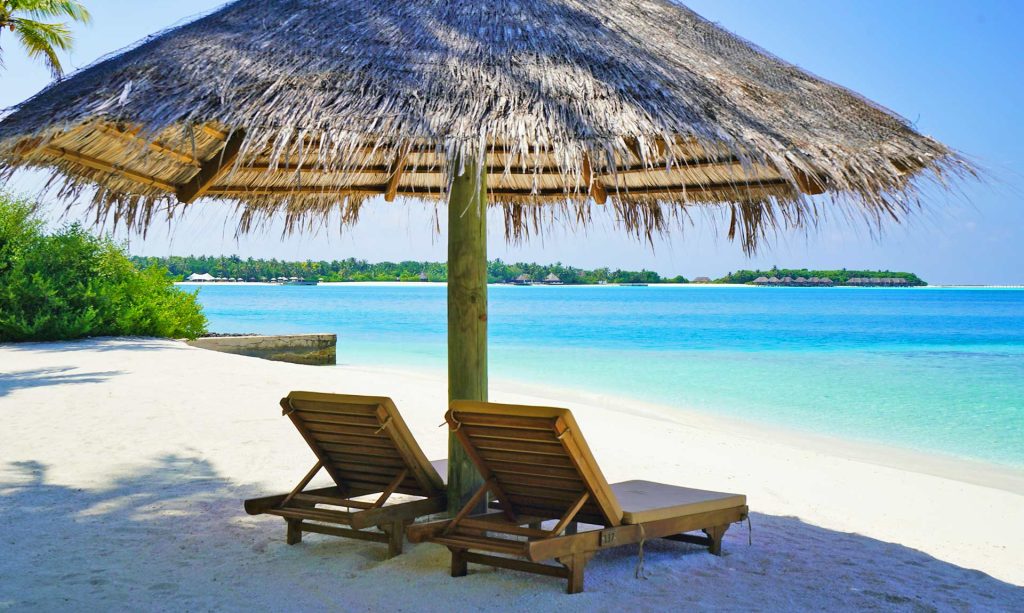
The Maldives is a true maritime paradise. Crystal-clear waters and rich marine biodiversity await. Divers and enthusiasts can explore remarkable underwater environments6.
| Marine Highlights | Best Visiting Season |
|---|---|
| Whale Shark Population | May to December |
| Coral Reef Diversity | Year-round |
Galapagos Islands: Nature’s Laboratory
The Galapagos Islands offer a unique seafaring adventure. This archipelago lets travelers see rare marine species up close. Witness these animals in their natural habitat7.
“The Galapagos are a living museum of evolutionary changes” – Charles Darwin
These destinations showcase incredible marine ecosystems. Your maritime journey will connect you with oceanic wonders. Prepare for unforgettable experiences in these aquatic wonderlands.
Activities You Can Enjoy in Marine Ecosystems
Aquatic adventures await in marine ecosystems. Dive into breathtaking underwater worlds and connect with marine life. Respect these delicate habitats while enjoying exciting experiences.
Snorkeling and Scuba Diving: Underwater Exploration
Dive into vibrant underwater landscapes. Witness marine biodiversity up close through snorkeling and scuba diving. National marine sanctuaries offer incredible locations for underwater adventures.
Observe marine creatures in their natural habitats8. These activities provide unique opportunities to explore and learn.
- Explore coral reefs and marine ecosystems
- Observe diverse marine wildlife
- Learn about underwater conservation
Whale Watching: Majestic Marine Encounters
Witness magnificent marine mammals in their natural environment. Tour operators in California, Hawaii, and Massachusetts offer exceptional whale watching excursions9.
Top sanctuary locations like Monterey Bay and Stellwagen Bank provide incredible wildlife viewing opportunities9. Experience the thrill of seeing these majestic creatures.
| Destination | Marine Wildlife | Best Viewing Season |
|---|---|---|
| Monterey Bay | Whales, Dolphins | December-April |
| Hawaiian Islands | Humpback Whales | November-May |
Kayaking and Coastal Adventures
Paddle through coastal waters for an amphibious exploration. Many marine sanctuaries offer kayaking and paddleboarding experiences. These activities allow you to connect intimately with marine environments9.
“Responsible marine tourism helps protect the delicate balance of our ocean ecosystems.” – Marine Conservation Expert
Practice responsible tourism during your adventures. Follow guidelines to minimize environmental impact. Protect marine life while enjoying these unique experiences.
Tips for Responsible Marine Tourism
Your choices impact marine ecosystems when exploring oceanic destinations. Responsible marine tourism starts with understanding how travel affects coastal environments. Mindful decisions help protect delicate habitats while enjoying incredible seafaring experiences1011.
Supporting Local Communities
Engaging with local communities is key for sustainable naval tourism. Choose tour operators that benefit coastal residents and prioritize their economic well-being10.
Supporting local businesses contributes to marine conservation efforts. It creates meaningful opportunities for communities depending on these fragile ecosystems10.
Avoiding Ocean Pollution
Minimize environmental impact during your marine adventure. Use reef-safe sunscreen, reduce single-use plastics, and dispose of waste properly. Responsible marine conservation begins with actions protecting delicate oceanic environments11.
Tourism can significantly increase marine pollution. Always pack out what you pack in. Choose eco-friendly alternatives to protect the ocean10.
Respecting Wildlife and Habitats
Keep a respectful distance from wildlife when exploring marine environments. Avoid touching coral reefs or chasing marine creatures. Don’t disturb their natural habitats11.
Human interaction can stress marine life. It disrupts feeding patterns and increases vulnerability to predators10. Your responsible approach ensures these ecosystems remain healthy for future generations.
FAQ
What percentage of global tourism is related to marine environments?
Marine tourism makes up half of global tourism. It contributes 5.2% to the global GDP. Coastal and marine areas are top destinations for travelers worldwide.
How has marine tourism evolved over the decades?
Marine tourism has grown tremendously since 1950. Back then, only 25 million people traveled. Now, that number has soared to 1.4 billion travelers.
This growth is due to cheap flights and easy online booking. All-inclusive travel packages have also made marine tourism more accessible.
What environmental challenges does marine tourism face?
Mass tourism harms ocean ecosystems in many ways. It causes loss of biodiversity and increases marine litter. Popular spots like the Great Barrier Reef suffer greatly.
In the last 30 years, almost half of the Great Barrier Reef has vanished. This shows how urgently we need to protect our marine environments.
How can tourists practice responsible marine tourism?
Responsible tourists support local communities and avoid ocean pollution. They use reef-safe sunscreen and dispose of trash correctly. Being mindful of water usage is also crucial.
Tourists should check seafood sustainability and reduce plastic waste. Responsible boating practices help minimize harm to marine life.
What are some popular marine activities for tourists?
Snorkeling, scuba diving, whale watching, and kayaking are popular marine activities. However, these can harm marine ecosystems if not done responsibly.
Tourists should avoid over-diving in coral reef areas. They should also keep a safe distance from marine wildlife.
Why is sustainable marine tourism important?
Sustainable marine tourism protects ecosystems while creating economic opportunities. It supports biodiversity and provides income for coastal communities. It also funds scientific research.
Responsible practices like ethical whale watching raise awareness about marine conservation. This helps protect our oceans for future generations.
What are some challenges facing marine tourism destinations?
Popular spots like the Great Barrier Reef face increasing pollution. Changing water temperatures and coastal developments are also major concerns.
These destinations struggle to balance tourism with conservation efforts. Protecting fragile marine environments is crucial for their survival.
How does marine tourism impact wildlife?
Marine tourism can displace cetaceans and disrupt migration patterns. It may also change marine animal behavior. Organizations like the Pacific Whale Foundation promote conservation-focused approaches.
Their goal is to minimize negative interactions between tourists and wildlife. This helps protect marine ecosystems while still allowing for enjoyable experiences.
Source Links
- Marine conservation: How responsible tourism can drive change – https://instituteofsustainabilitystudies.com/insights/lexicon/how-responsible-tourism-can-aid-marine-life-conservation/
- Unsustainable Marine Tourism Solutions | PWF – https://www.pacificwhale.org/why-we-do-it/unsustainable-tourism/
- The Importance of Marine Ecosystems – https://themarineking.com/blogs/news/importance-of-marine-ecosystems
- Recreation and Tourism | CMEMS – https://marine.copernicus.eu/explainers/why-ocean-important/recreation-and-tourism
- Where to go on a marine conservation holiday – https://www.responsiblevacation.com/vacations/marine-conservation/travel-guide/where-to-go-on-a-marine-conservation-holiday
- The 14 Best Marine Life Encounters Around the World – https://blog.padi.com/best-marine-life-encounters-around-the-world/
- 18 Great Marine Reserves to Visit in 2022 — SEVENSEAS Media – https://sevenseasmedia.org/18-great-marine-reserves-to-visit-in-2022/
- Education – Games and Activities – https://sanctuaries.noaa.gov/education/fun/
- Things To Do | Office of National Marine Sanctuaries – https://sanctuaries.noaa.gov/visit/things-to-do.html
- Responsible Travel and Best Practices in Marine Parks | Turneffe Atoll Marine Reserve – https://visitturneffe.org/learn/responsible-travel-best-practices-marine-parks/
- Protect Your Business with Responsible Marine Tourism – Green Fins – https://greenfins.net/blog/top-tips-agents-operators/