
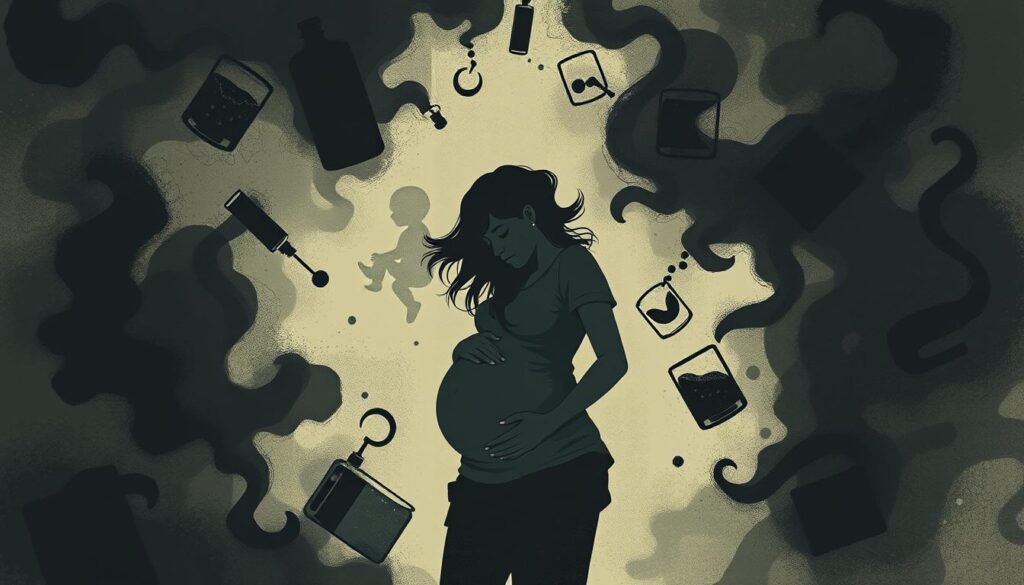
Pregnancy choices shape your baby’s health. Substance abuse during this time can create serious challenges. Knowing these risks is key to safeguarding your baby’s future1.
Maternal addiction is complex. It involves biological, psychological, and environmental factors. Different substances can severely impact fetal growth1.
Opioids, cocaine, alcohol, and nicotine each pose unique threats. They can cause serious birth defects in your unborn child1.
Babies exposed to drugs may have stunted growth. Their brain development can be altered. They face higher risks of long-term health issues1.
Drug use while pregnant can lead to devastating outcomes. These include miscarriage and pre-term labor1.
Key Takeaways
- Substance use during pregnancy can cause significant developmental risks
- Different drugs impact fetal health in unique ways
- Early intervention and support are critical for maternal health
- Professional medical guidance can help manage substance use disorders
- Understanding risks is the first step toward protecting your baby
Overview of Substance Use During Pregnancy
Pregnancy is a crucial time for maternal and fetal health. Substance use can create significant challenges for expecting mothers and their unborn children. Protecting both maternal and infant well-being requires understanding the risks of prenatal drug exposure.
Common Substances Used by Pregnant Women
Multiple substances pose risks during pregnancy. The most prevalent include:
- Cannabis
- Alcohol
- Tobacco
- Opioids
- Methamphetamine
- Cocaine
Prevalence of Substance Use
Substance use during pregnancy remains a significant public health concern. U.S. substance use patterns reveal alarming trends:
| Substance | Prevalence Rate |
|---|---|
| Cannabis | 7.0% among pregnant women2 |
| Cigarettes | 15.4% during pregnancy3 |
| Alcohol | 9.4% during pregnancy3 |
| Illicit Substances | 5.4% during pregnancy3 |
Impact on Maternal Health
Maternal substance use can trigger serious pregnancy complications. Women using drugs during pregnancy face increased risks of:
- Preeclampsia
- Premature membrane rupture
- Placental abruption
- Hypertensive crises
“Substance use during pregnancy is not just a personal choice, but a critical health decision affecting both mother and child.”
Opioid-related diagnoses during delivery hospitalization increased by 131% from 2010 to 20174. This highlights the growing challenge of maternal substance use. It also points to potential long-term consequences.
Pregnant women can make informed decisions about their health by understanding these risks. This knowledge can help them seek appropriate support and treatment.
Effects of Substance Use on Fetal Development
Substance use during pregnancy poses risks to mothers and unborn children. These impacts can affect a child’s entire developmental trajectory. The consequences extend far beyond the prenatal period.
Short-term Risks to Newborns
Babies exposed to substances in the womb may face immediate health issues. They can experience withdrawal symptoms, which are often distressing.
- Irritability and excessive crying
- Tremors and hyperactivity
- Feeding difficulties
- High-pitched crying
About 1 in 20 pregnant women use street drugs. This can lead to serious health problems for newborns. Babies might be born early, have low birth weight, or develop heart defects5.
Long-term Developmental Outcomes
Prenatal substance exposure can cause lasting developmental challenges. Children may struggle with various issues as they grow.
- Cognitive problems
- Attention deficits
- Behavioral difficulties
- Learning disabilities
Fetal alcohol spectrum disorders pose a significant risk. They can cause intellectual disabilities and growth issues in children6.
Neonatal Abstinence Syndrome Explained
Neonatal abstinence syndrome (NAS) happens when newborns experience drug withdrawal. It can occur with various addictive substances. NAS creates complex health challenges for infants5.
“Early intervention and comprehensive care are critical for supporting infants experiencing developmental challenges from prenatal substance exposure.”
Treatment for affected babies focuses on their comfort and recovery. This may include reducing sensory stimulation and providing loving care. Medical interventions might also be necessary6.
Support and Resources for Addicted Mothers
Maternal addiction treatment can be tough, but help is available. Finding the right resources is key for your health and your baby’s well-being7.
Substance use disorder support offers many services for pregnant women with addiction. Sadly, less than 13% of pregnant women get the treatment they need7.
It’s crucial to know what options are out there. Understanding these choices can make a big difference in your recovery journey.
Treatment Options Available
Your treatment journey can include several approaches to substance use disorder support:
- Medication-assisted treatment
- Individual and group counseling
- Psychiatric evaluations8
- Specialized pregnancy support programs
Importance of Prenatal Care
Prenatal care is vital when dealing with addiction. Healthcare providers offer comprehensive medical support for your physical and mental health needs8.
Support Groups and Community Resources
Community resources are crucial for recovery. Many states are adding treatment options for pregnant women and new moms with addictions9.
Consider exploring these resources:
- Local support groups
- Family planning services
- Care coordination programs8
“Recovery is not a destination, but a continuous journey of healing and hope.”
Asking for help shows strength. With proper support, you can build a healthier future for you and your baby7.
Steps to Mitigate Risks for Expecting Mothers
Pregnancy and substance use require a careful approach to prevention and recovery. Your path to a healthy pregnancy starts with protecting yourself and your baby. Early professional support can help overcome challenges related to substance use disorders during pregnancy. Addiction treatment resources offer vital guidance10.
Honest talks with healthcare providers are key for creating a personalized care plan. Trauma-informed care approaches can make you feel supported throughout your pregnancy. Your medical team can explore treatments that lower risks10.
Medication-assisted treatments have shown good results for managing substance use disorders during pregnancy. These options can be part of your care plan11.
A strong support network is crucial for a healthy pregnancy and addiction recovery. This can include family, friends, support groups, and healthcare professionals. They can offer emotional and practical help10.
Asking for help shows strength, not weakness. By tackling substance use challenges head-on, you create a nurturing space for you and your baby12.
FAQ
What substances are most commonly used during pregnancy?
Common substances used during pregnancy include marijuana, tobacco, alcohol, cocaine, methamphetamine, and opioids. Cannabis use among pregnant women has doubled since 2010. Higher rates are typically seen in the first trimester.
What are the short-term risks to babies exposed to substances during pregnancy?
Short-term risks include irritability, hyperactivity, tremors, high-pitched crying, and excessive sucking. Babies may experience Neonatal Abstinence Syndrome (NAS), causing withdrawal symptoms after birth. These symptoms can include poor feeding, excessive crying, and tremors.
How can substance use during pregnancy affect long-term child development?
Prenatal substance exposure can lead to cognitive problems, attention deficits, and learning difficulties. It may also cause behavioral challenges and growth issues. Fetal Alcohol Spectrum Disorders (FASD) can result in physical and psychiatric problems.
What treatment options are available for pregnant women struggling with addiction?
Treatment options include medication-assisted treatment and specialized counseling programs for pregnant women. Comprehensive prenatal care and support groups are also available. Healthcare providers recommend a coordinated approach involving addiction specialists and pediatricians.
What are the risks of substance use to maternal health during pregnancy?
Substance use can cause migraines, seizures, and premature membrane rupture. It may lead to placental abruption and increase the risk of preeclampsia. Some substances can worsen normal cardiovascular changes, potentially causing hypertensive crises.
How can pregnant women reduce risks associated with substance use?
Pregnant women should completely abstain from substances and maintain open communication with healthcare providers. Seeking alternative therapies for medical conditions is advisable. Building a support network and attending specialized prenatal care programs are crucial.
What is Neonatal Abstinence Syndrome (NAS)?
Neonatal Abstinence Syndrome (NAS) occurs when babies experience withdrawal symptoms after birth. This is due to in-utero exposure to substances, particularly opioids. Symptoms include excessive crying, irritability, tremors, and poor feeding.
Can substance use during pregnancy cause permanent damage to the baby?
Yes, substance use can cause permanent developmental and cognitive damage to the baby. It can affect brain development, leading to long-term issues with learning and social interaction. Early intervention and comprehensive care are critical for mitigating potential long-term effects.
Source Links
- Drug Addicted Babies | Long Term Effects of Babies Born Addicted – https://lagunatreatment.com/support-for-women/newborn-health-effect/
- Substance Use While Pregnant and Breastfeeding | National Institute on Drug Abuse – https://nida.nih.gov/publications/research-reports/substance-use-in-women/substance-use-while-pregnant-breastfeeding
- Substance use in pregnancy: The medical challenge – https://pmc.ncbi.nlm.nih.gov/articles/PMC6038015/
- Substance Use During Pregnancy – https://www.cdc.gov/maternal-infant-health/pregnancy-substance-abuse/index.html
- Street drugs and pregnancy – https://www.marchofdimes.org/find-support/topics/pregnancy/street-drugs-and-pregnancy
- Infant of a substance-using mother: MedlinePlus Medical Encyclopedia – https://medlineplus.gov/ency/article/007238.htm
- Addiction treatment in the postpartum period: an opportunity for evidence-based personalized medicine – https://pmc.ncbi.nlm.nih.gov/articles/PMC8490333/
- Mother and Child Dependency Program – https://www.metrohealth.org/obgyn/pregnancy-care/pregnancy-resources/substance-use-and-pregnancy
- Many States Prosecute Pregnant Women for Drug Use. New Research Says That’s a Bad Idea. – https://www.vumc.org/childhealthpolicy/news-events/many-states-prosecute-pregnant-women-drug-use-new-research-says-thats-bad-idea
- Pregnancy and Substance Use: A Harm Reduction Toolkit – National Harm Reduction Coalition – https://harmreduction.org/issues/pregnancy-and-substance-use-a-harm-reduction-toolkit/
- What treatment is available for pregnant mothers and their babies? | National Institute on Drug Abuse – https://nida.nih.gov/publications/research-reports/medications-to-treat-opioid-addiction/what-treatment-available-pregnant-mothers-their-babies
- Opioid Use and Opioid Use Disorder in Pregnancy – https://www.acog.org/clinical/clinical-guidance/committee-opinion/articles/2017/08/opioid-use-and-opioid-use-disorder-in-pregnancy

