
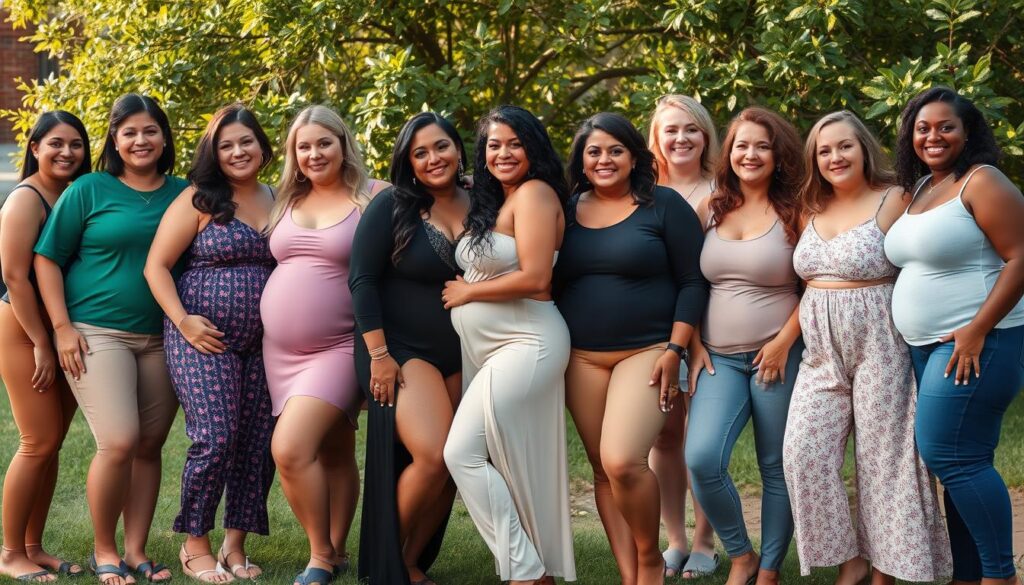
Your body weight is more than just a number on a scale. It reflects a complex mix of factors affecting your health. American women aged 20 and above weigh an average of 170.8 pounds1.
The average woman’s BMI in the U.S. is 29.8, which falls into the overweight category. However, BMI alone doesn’t paint the whole picture of health. Genetics, lifestyle, diet, and physical activity all shape your ideal weight1.
Your weight journey is unique. Statistics offer general insights, but they’re not strict rules to follow. Instead, focus on your body composition, fitness level, and personal health goals.
Key Takeaways
- Average weight for women is 170.8 pounds
- BMI doesn’t determine overall health
- Individual factors matter more than averages
- Body composition varies across age groups
- Healthy weight depends on multiple factors
Understanding Average Weight for Women
Average Female Weight is vital for personal wellness and medical insights. The numbers reveal fascinating trends in women’s body composition across different groups2.
Current Statistics in the United States
American women over 20 years old weigh an average of 170.8 pounds. Their average height is 63.5 inches2. Obesity rates have risen, with 42.8% of the U.S. population now classified as obese2.
Weight Variations by Age Groups
Women’s weight changes throughout different life stages:
- Ages 20-39: Average weight of 167.6 pounds3
- Ages 40-59: Peak average weight at 176.4 pounds3
- Ages 60 and above: Slight decrease to 166.5 pounds3
Ethnic and Cultural Differences
Healthy Weight for Women differs across ethnic backgrounds:
- Non-Hispanic Asian women: Lightest at 132.4 pounds3
- Hispanic women: Average of 169 pounds3
- Non-Hispanic White women: Around 170.9 pounds3
- Non-Hispanic Black women: Highest average at 186.1 pounds3
“Understanding weight variations is key to personalized health approaches.” – Health Research Institute
Your individual health journey is unique and should be approached with personalized care and professional guidance.
Factors That Influence Women’s Weight
Many complex factors impact a woman’s weight. These include biological, environmental, and lifestyle elements4. Your body weight is shaped by a mix of these factors.
- Genetic Predisposition: Family history plays a key role in weight potential4. If your parents struggled with weight, you might face similar challenges4.
- Lifestyle Habits: Diet and physical activity greatly affect your body weight4.
- Metabolic Differences: Individual metabolism varies, changing how quickly you burn calories5.
Key lifestyle elements that impact weight include:
- Sleep Patterns: Poor sleep can boost hunger and calorie intake4.
- Medication Effects: Some medications might lead to weight gain4.
- Health Conditions: Endocrine disorders can hinder weight management4.
| Weight Influence Category | Impact Level |
|---|---|
| Genetic Factors | High |
| Dietary Habits | Very High |
| Physical Activity | High |
| Sleep Quality | Moderate |
“Your weight is a journey, not a destination” – Health Experts
Over two-thirds of U.S. women above 20 have overweight or obesity5. This fact highlights the need to understand weight-influencing factors5.
Methods to Measure and Calculate Ideal Weight
Ideal Weight for Women isn’t just about scale numbers. Health pros use scientific methods to assess healthy weight. Let’s explore reliable techniques for finding your optimal weight6.
Body Mass Index (BMI) Guidelines
BMI is a key tool for evaluating weight status. It compares body weight to height, showing potential health risks6.
For women, a healthy BMI typically falls between 18.5 and 24.97.
| BMI Category | Range for Women | Health Implications |
|---|---|---|
| Underweight | Below 18.5 | Potential nutrient deficiencies |
| Normal Weight | 18.5 – 24.9 | Lowest health risks |
| Overweight | 25 – 29.9 | Increased health risks |
| Obese | 30 and above | Significant health concerns |
Waist-to-Hip Ratio Measurements
Waist-to-Hip Ratio (WHR) offers insights into body composition. For women, a ratio of 0.85 or less is healthy7.
The Centers for Disease Control recommend measuring waist to assess potential health risks6.
Body Fat Percentage Standards
Body fat percentage gives a detailed view of ideal weight. For women, a fit range is typically 21-24%7.
Measurement techniques include:
- Underwater weighing
- Air displacement
- Dual energy X-ray absorptiometry
- Bioelectrical impedance analysis
Remember, these methods are guidelines. Always consult a healthcare professional for personalized weight assessment.
Your Ideal Weight depends on height, age, and body composition8. No single method is perfect, but these techniques help understand health status better.
Conclusion
Your health journey is personal. Body weight is complex, involving genetics, lifestyle, and individual traits9. Statistical averages provide context but shouldn’t define your self-worth or health goals.
Healthy weight involves more than scale numbers. Small, consistent changes can greatly benefit your health. Gradual weight loss can improve overall wellness10.
A 5% body weight reduction can positively impact blood pressure, cholesterol, and mobility10. Your average weight is unique to you.
Medical guidance and health resources can help your journey10. Focus on balanced nutrition and regular exercise. Understand your body’s needs rather than comparing to general standards9.
Embrace a holistic health approach. Recognize that ideal weight depends on multiple factors. Stay informed, listen to your body, and prioritize overall well-being.
FAQ
What is the average weight for American women?
The CDC reports the average weight for American women 20 years and older is 170.8 pounds. This figure can vary based on age, ethnicity, and personal factors.
How does age affect a woman’s weight?
Women’s body composition changes with age. Those aged 40-49 typically have the highest average weight. This is due to decreased muscle mass, slower metabolism, and hormonal changes.
Are there ethnic differences in women’s average weight?
Yes, significant ethnic variations exist. Non-Hispanic Black women average around 188.5 pounds. Non-Hispanic Asian women average about 135 pounds. Genetic, cultural, and lifestyle factors contribute to these differences.
What factors influence a woman’s weight?
Age, height, body frame size, and genetics impact weight. Environment, family history, metabolism, diet, and physical activity also play roles. Lifestyle choices and healthcare access are crucial in determining body weight.
How can I determine my ideal weight?
Several methods assess healthy weight, including BMI, waist-to-hip ratio, and body fat percentage. A BMI between 18.5-24.9 is considered normal weight. For personalized assessment, consult a healthcare professional.
Is BMI an accurate measure of health?
BMI is a common tool, but it has limitations. It may not be accurate for athletes, older adults, or those with high muscle mass. Consider BMI alongside other health metrics and professional medical advice.
What is considered a healthy body fat percentage for women?
For women, a body fat percentage between 21-24% is typically considered fit. This can vary based on age, fitness level, and individual health conditions. Consult a healthcare professional for personalized guidance.
How can I maintain a healthy weight?
Maintaining a healthy weight involves a balanced approach. Eat a nutritious diet and exercise regularly. Get enough sleep and manage stress. Schedule regular health check-ups. Focus on overall health, not just the scale.
Source Links
- Average weight for women: Healthy and ideal ranges – https://www.medicalnewstoday.com/articles/321003
- How Much Does the Average Woman Weigh? – https://www.healthline.com/health/womens-health/average-weight-for-women
- Average Weight for Women Worldwide (Stats) – https://www.medicinenet.com/weight_women/article.htm
- Factors Affecting Weight & Health – NIDDK – https://www.niddk.nih.gov/health-information/weight-management/adult-overweight-obesity/factors-affecting-weight-health
- Weight and obesity | Office on Women’s Health – https://womenshealth.gov/healthy-weight/weight-and-obesity
- How to Calculate Your Ideal Weight – https://www.verywellfit.com/ideal-weight-calculator-chart-3878254
- How Do You Calculate Ideal Body Weight? – https://www.medicinenet.com/how_do_you_calculate_ideal_body_weight/article.htm
- Ideal Weight Calculator – https://www.calculator.net/ideal-weight-calculator.html
- Ideal body weight: a commentary – https://pmc.ncbi.nlm.nih.gov/articles/PMC8646317/
- Healthy Weight – https://nutritionsource.hsph.harvard.edu/healthy-weight/

