
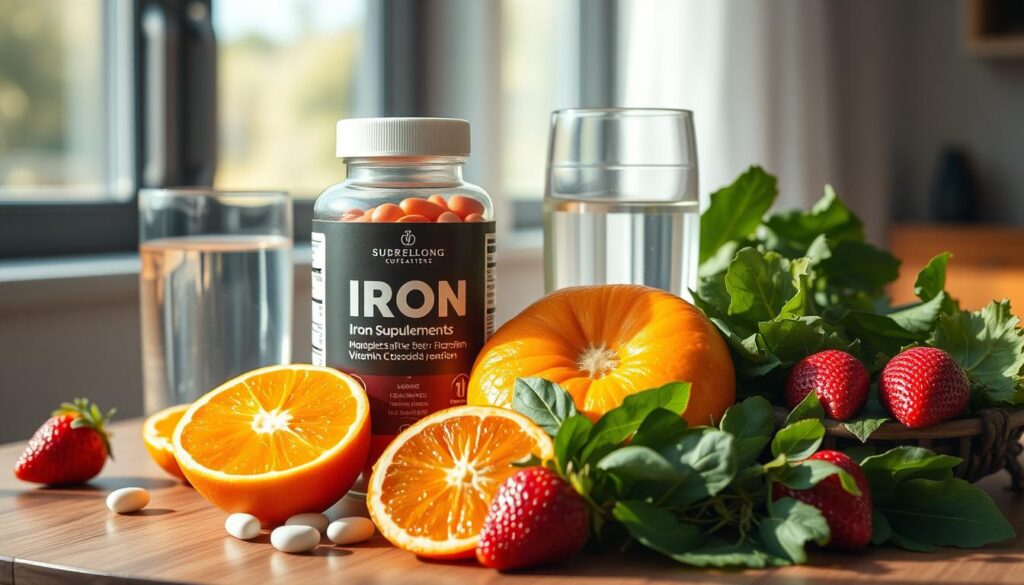
Blood donation saves lives but can impact your iron levels. Keeping iron levels up after donating is vital for your health and recovery1. Donating blood causes a brief drop in iron, which needs careful management1.
Maintaining iron after donation supports your body’s key functions. Iron helps transport oxygen and produce energy. Your body needs help to replenish lost nutrients after donating blood.
Blood donation involves giving about half a liter of whole blood1. This process naturally reduces your iron stores. Iron supplementation becomes crucial for donors after giving blood.
Key Takeaways
- Blood donation temporarily reduces iron levels
- Proper nutrition helps restore iron quickly
- Iron is crucial for oxygen transportation
- Strategic supplementation supports recovery
- Individual iron needs vary after donation
Importance of Iron in the Body
Iron is vital for your body’s best performance. It’s crucial to understand iron’s importance after donating blood. This knowledge helps maintain health and avoid potential issues.
Your body needs iron for many key functions. This mineral mainly supports oxygen transport throughout your system2. Low iron can lead to serious health problems.
Oxygen Transport Mechanism
Iron joins proteins to create hemoglobin in red blood cells. This special protein moves oxygen from lungs to body tissues. Low iron makes it hard for your body to transport oxygen3.
Impact on Energy Levels
Proper iron levels directly affect your energy and vitality. Preventing iron deficiency after donation is key to avoid:
- Persistent fatigue
- Reduced physical performance
- Decreased mental clarity
Connection to Immune Function
Your immune system needs iron to work well. About 35% of blood donors may become iron-deficient. This can weaken immune responses4.
| Iron Level | Health Impact |
|---|---|
| Normal | Strong immune defense |
| Low | Increased infection risk |
“Iron is not just a mineral, it’s the fuel that keeps your body’s engine running smoothly.” – Medical Nutrition Expert
Focusing on iron intake after blood donation is important. It helps your body recover quickly and maintain essential functions3.
Understanding Blood Donation and Iron Loss
Blood donation saves lives but can affect your iron levels. When you donate, you lose significant iron that impacts your health5.
This generous act has potential challenges. It’s crucial to understand how it affects your body.
What Happens During Blood Donation?
A blood donation causes you to lose 210 to 240 mg of iron5. This loss can lead to iron deficiency, especially for frequent donors6.
Some groups are more at risk of iron loss. These include:
- Females donating 1+ units annually
- Males donating 2+ units annually
- Younger donors
- Athletic individuals
- Donors with borderline hemoglobin levels
How Much Iron Is Lost?
Iron loss impact varies, but research shows significant depletion potential. A German study found 26% of regular donors had critically low ferritin levels5.
Additionally, 12% developed iron deficiency anemia. Hemoglobin levels are crucial, with minimums of 12.5 mg/dcL for women and 13.0 mg/dcL for men6.
Signs of Iron Deficiency
It’s important to spot low iron signs after donating blood. Look out for these symptoms:
- Persistent fatigue
- Weakness
- Pale skin
- Shortness of breath
- Dizziness
“Understanding your body’s iron status is key to maintaining health after blood donation.” – Blood Donation Health Experts
If you notice these signs, talk to a healthcare professional. They can check your iron levels7.
Proactive management helps you stay healthy. It allows you to continue your vital role as a blood donor.
Recommended Iron Intake After Donation
Blood donation affects your body’s iron levels. It’s vital to replenish these essential minerals after giving blood. Your iron intake needs special attention to maintain good health and energy.
Different groups have varying iron intake needs. Women aged 18-45 are more prone to iron depletion. They need extra care after donating blood8.
Red blood cells contain lots of iron. Each donation removes some from your body9.
Daily Iron Needs for Adults
Your daily iron needs depend on several factors:
- Age and gender
- Frequency of blood donations
- Overall health status
Iron supplements can help restore lost iron. Adults typically need:
| Donor Category | Daily Iron Recommendation |
|---|---|
| Adult Males | 8 mg per day |
| Adult Females (18-45) | 18 mg per day |
Special Considerations for Regular Donors
Regular donors should watch their iron intake closely. Infrequent donors might need daily iron supplements for 60 days after donation9.
The body can only absorb 2-4 mg of iron per day. Consistent, moderate supplementation is key9.
Maintaining healthy iron levels is not just about quantity, but strategic replenishment.
Your iron intake plan should be tailored to you. Talk to your doctor about the best iron supplements for your needs as a donor.
Types of Iron Supplements Available
Choosing the right iron supplement is vital for blood donors. Different types offer unique benefits and absorption rates. Understanding your options helps you make an informed decision10.
Comparing Supplement Types
Blood donors have two main iron supplement options:
- Ferrous Sulfate: A common and affordable option
- Ferrous Gluconate: Often easier on the digestive system
Liquid vs. Pill Supplements
Iron supplements come in various formats to suit different preferences:
- Pill Form: Convenient and easy to take
- Liquid Form: Faster absorption for some individuals
Pro tip: The recommended iron supplement dose ranges from 19 mg in a multivitamin to 45 mg elemental iron caplets10.
Choosing the Right Supplement
Your ideal iron supplement depends on several factors. Frequent blood donors should consider their individual needs carefully11.
Consult a healthcare professional to determine the most suitable type and dosage10.
| Supplement Type | Absorption Rate | Recommended For |
|---|---|---|
| Ferrous Sulfate | Standard | General blood donors |
| Ferrous Gluconate | Gentler | Sensitive digestive systems |
Iron absorption is limited to 2-4 mg per day. Taking large doses quickly may not improve absorption.
It could also increase side effects10.
Natural Ways to Boost Iron Levels
Replenishing iron levels is vital after giving blood. Natural iron supplementation can effectively restore your body’s iron reserves. This approach offers a healthier alternative to synthetic supplements.
Top Iron-Rich Foods for Donors
Your diet is key in natural iron supplementation. Blood donors should eat nutrient-dense foods that support iron recovery12. Heme iron sources are best, making up 95% of functional iron in the body12.
- Lean meats like chicken and beef
- Dark leafy greens such as spinach and kale
- Legumes and beans
- Fortified cereals
- Dried fruits like raisins and apricots
Maximizing Iron Absorption
Pairing iron-rich foods with vitamin C boosts absorption. Citrus fruits, bell peppers, and broccoli help your body use non-heme iron better12.
Consuming vitamin C alongside iron can boost absorption rates and support your body’s recovery after blood donation.
Recommended Dietary Approach
| Food Category | Iron Content | Absorption Rate |
|---|---|---|
| Red Meat | High | 90-100% |
| Leafy Greens | Moderate | 2-10% |
| Legumes | Moderate | 5-15% |
Drinks to Support Iron Levels
Add iron-rich drinks to your post-donation diet13:
- Beet juice
- Spinach juice
- Green smoothies
- Tomato juice
- Prune juice
Keep track of your iron intake after donating blood. If you feel tired or weak for a long time, talk to a doctor14.
Timing Your Iron Supplementation
Blood donation can significantly impact your iron levels. Strategic supplementation is crucial for your overall health. Understanding the right timing for iron intake can maximize absorption and aid recovery after donating blood.
Frequent blood donors may experience substantial iron loss15. Experts suggest specific strategies for timing iron supplements effectively.
- Take supplements on an empty stomach for optimal absorption
- Pair iron intake with vitamin C-rich foods
- Consider supplements containing at least 18 mg of elemental iron15
Ideal Time to Take Iron Supplements
Start iron supplementation right after blood donation. Timing is everything for replenishing your body’s iron stores. Taking supplements in the morning or early afternoon can help reduce digestive discomfort16.
Best Practices Post-Donation
Maximize your iron absorption by following these practical tips:
| Practice | Benefit |
|---|---|
| Stay hydrated | Supports iron metabolism |
| Consume vitamin C | Enhances iron absorption |
| Rest adequately | Promotes iron recovery |
“Proper timing and strategic supplementation can help donors maintain optimal iron levels” – Blood Donation Nutrition Expert
Regular monitoring of your iron levels ensures you’re on the right track. Frequent blood donors should be extra careful about their iron intake15.
Monitoring Your Iron Levels
Keeping track of your iron levels after blood donation is vital. Regular monitoring helps maintain healthy iron stores. It prevents potential deficiencies in blood donors.
When to Get Your Levels Checked
Iron level test timing depends on several factors. Female donors aged 18-45 should watch their iron stores closely.
- Test before each blood donation17
- Check levels periodically between donations
- Consider testing if experiencing fatigue or other symptoms
Understanding Test Results
Iron level tests typically measure ferritin, showing your body’s iron stores. Reference intervals vary by gender:
| Gender | Ferritin Reference Interval |
|---|---|
| Females | 15–400 ug/L17 |
| Males | 30–500 ug/L17 |
How Often to Test After Donation
Test frequency for donors can vary. Female donors with lower ferritin levels might need more frequent monitoring.
- Female donors aged 18-45 may need testing every 6 months17
- Donors with low iron stores might require more frequent checks18
- Consult healthcare providers for personalized testing recommendations18
Regular monitoring helps maintain your health and ensures safe blood donation practices.
Understanding your iron levels is crucial for responsible blood donation. Discuss your test results with a healthcare professional.
They can help develop the best approach for maintaining optimal iron levels18. Your health is important, so stay informed.
Potential Side Effects of Iron Supplements
Blood donors may face challenges with iron supplement side effects. Understanding these reactions can help you manage your iron supplementation better.
Iron supplement side effects are common, but knowing how to handle them is crucial. Some people may experience symptoms that affect their daily life.
Managing these side effects can greatly improve your recovery process4.
Common Side Effects to Watch For
- Digestive discomfort
- Constipation
- Stomach cramps
- Changes in stool color
Iron deficiency without anemia can cause several challenging symptoms. These include fatigue, decreased exercise capacity, and neurocognitive changes4.
These side effects show why proper iron management is so important.
Tips to Minimize Discomfort
- Take supplements with food
- Start with lower doses
- Stay hydrated
- Consider split doses throughout the day
Proper management of iron supplement side effects can significantly improve your overall well-being.
Studies show that up to 35% of whole blood donors may become iron deficient. This makes it vital to understand and address potential side effects4.
| Side Effect | Management Strategy |
|---|---|
| Constipation | Increase fiber intake, drink more water |
| Stomach Upset | Take with food, use lower dosage |
| Nausea | Take at bedtime, use gentler iron formulations |
If side effects become severe or persistent, consult your healthcare provider. They can help find the best iron supplementation strategy for you4.
When to Seek Medical Advice
Blood donation can significantly impact your iron levels. Professional medical guidance is crucial for maintaining your health. Understanding when to consult a healthcare provider is essential for safe iron supplementation.
Your body sends important signals about iron levels. These signals indicate when you should seek medical advice. Proper guidance ensures safe iron supplementation and overall wellness.
Critical Signs Requiring Professional Consultation
- Persistent fatigue that doesn’t improve after donation
- Unusual bruising or prolonged bleeding
- Severe digestive issues after taking iron supplements
- Unexplained muscle weakness
- Changes in skin color or complexion
Importance of Professional Guidance for Blood Donors
Professional guidance is vital for blood donors with specific health considerations. Approximately 25-35% of regular blood donors develop iron deficiency3. This statistic highlights the need for expert medical oversight.
| Risk Group | Recommended Action |
|---|---|
| Women aged 18-45 | Regular iron level monitoring |
| Frequent donors | Comprehensive blood tests |
| Individuals with chronic conditions | Personalized supplementation plan |
Your healthcare provider can determine your specific iron needs. Iron deficiency anemia can cause weakness, headache, fatigue, and restless legs syndrome19. Professional consultation ensures safe and effective iron management.
“Early detection and professional guidance are key to maintaining optimal iron levels after blood donation.”
Every individual’s health needs are unique. Seeking timely medical advice can prevent potential complications. It also supports your long-term well-being after blood donation.
Lifestyle Tips for Enhanced Iron Absorption
Your lifestyle greatly affects iron absorption. Staying hydrated is crucial for iron metabolism and overall health20. Drinking enough water helps maintain blood volume and transport nutrients efficiently.
Eat a variety of iron-rich foods like red meat, seafood, beans, and dark leafy greens20. Pair these with vitamin C sources to boost iron uptake. Regular exercise can improve circulation and help your body use iron better21.
Pay attention to your body’s signals, like fatigue or weakness. These might indicate iron deficiency20. Moderate exercise, proper hydration, and a balanced diet support healthy iron levels.
This approach can help maintain iron stores and meet your body’s needs after blood donation. Remember, a well-rounded lifestyle is key to optimal iron absorption.
FAQ
How much iron do I lose when I donate blood?
Donating blood costs you about 200-250 milligrams of iron. This loss can lead to temporary iron deficiency if not replenished. Your body needs time to rebuild its iron stores.
Understanding post-donation iron management is crucial for your health. It helps prevent fatigue and other symptoms of low iron levels.
How soon after donating blood should I start taking iron supplements?
You can start iron supplements right after donating blood. Many doctors suggest taking them within 24 hours of donation. This helps replenish your iron stores quickly.
Quick action can reduce the risk of fatigue. It also helps maintain your energy levels after giving blood.
What are the best iron-rich foods I can eat after donating blood?
Lean meats, fish, eggs, beans, and lentils are great iron-rich foods. Spinach, fortified cereals, and dried fruits like raisins also boost iron levels.
Pair these foods with vitamin C sources to enhance iron absorption. Citrus fruits and bell peppers are good choices for this.
Aim to eat a variety of these foods. This natural approach helps increase your iron levels effectively.
Can I take iron supplements on an empty stomach?
Taking iron supplements on an empty stomach maximizes absorption. However, some people may experience stomach discomfort. If this happens, try taking them with food or before bed.
Always follow the recommended dosage. Consult your doctor about the best approach for your needs.
How long does it take to replenish iron levels after donating blood?
It usually takes 4-8 weeks to fully restore iron levels after donating blood. The exact time depends on your diet and overall health.
Regular donors may need to be more careful about iron intake. They might also require longer recovery periods between donations.
Are there any side effects from taking iron supplements?
Common side effects include constipation, nausea, stomach cramps, and dark stools. To reduce these, start with a lower dose and take supplements with food.
Stay hydrated to help minimize discomfort. If problems persist, talk to your doctor about other options.
How do I know if I’m iron deficient after donating blood?
Watch for signs like ongoing fatigue, weakness, pale skin, and shortness of breath. Dizziness and cold hands and feet can also indicate low iron levels.
If you notice these symptoms, get your iron levels checked. A doctor can help with proper supplementation strategies.
Can I donate blood again if I’m taking iron supplements?
Yes, you can donate while taking iron supplements. Your hemoglobin levels must be in the acceptable range during screening.
Always tell the donation center about your iron supplements. This helps them assess if you’re eligible to donate.
Source Links
- Blood donation – Mayo Clinic – https://www.mayoclinic.org/tests-procedures/blood-donation/about/pac-20385144
- The benefits of iron supplementation following blood donation vary with baseline iron status – https://pmc.ncbi.nlm.nih.gov/articles/PMC7393577/
- Study shows iron supplementation after blood donation shortens hemoglobin recovery time – https://www.nih.gov/news-events/news-releases/study-shows-iron-supplementation-after-blood-donation-shortens-hemoglobin-recovery-time
- The importance of iron for whole blood donors: a Canadian perspective – https://professionaleducation.blood.ca/en/transfusion/publications/importance-iron-whole-blood-donors-canadian-perspective
- Risks and Management of Iron Deficiency in Blood Donation | JBM – https://www.dovepress.com/iron-deficiency-and-blood-donation-links-risks-and-management-peer-reviewed-fulltext-article-JBM
- Iron Deficiency | ImpactLife – https://www.bloodcenter.org/donate/donor/requirements-faq/iron-replacement/
- Iron Management Among Blood Donors – https://www.aabb.org/news-resources/resources/transfusion-medicine/iron-management-among-blood-donors
- Haemoglobin, iron health and blood donation – https://www.lifeblood.com.au/blood/learn-about-blood/iron-health
- Iron Information – https://scbloodbank.org/donors/iron-information
- Donor Iron Education Information – https://www.mbc.org/idonate-step-2/
- Oral Iron Supplementation After Blood Donation: A Randomized Clinical Trial – https://pmc.ncbi.nlm.nih.gov/articles/PMC5094173/
- No title found – https://www.rupahealth.com/post/boost-ferritin-levels-naturally
- How Can I Raise My Iron Levels Fast Naturally? 14 Drinks & 20 Foods – https://www.medicinenet.com/how_can_i_raise_my_iron_levels_fast/article.htm
- Iron deficiency anemia-Iron deficiency anemia – Symptoms & causes – Mayo Clinic – https://www.mayoclinic.org/diseases-conditions/iron-deficiency-anemia/symptoms-causes/syc-20355034
- Four tips to maintain iron balance for blood donors – https://canopy.uc.edu/undergrad/news/detail?feed=uc_news&id=78279a9a-fed5-5b38-8dd7-603066ef0d65
- Ferritin-guided iron supplementation in whole blood donors: optimal dosage, donor response, return and efficacy (FORTE)—a randomised controlled trial protocol – https://bmjopen.bmj.com/content/12/3/e056316
- Ferritin (iron) testing – https://www.lifeblood.com.au/blood/learn-about-blood/iron-health/ferritin-testing
- Donor wellness and Iron Ferritin Testing – https://www.blood.ca/en/blood/donating-blood/donor-health-and-safety/donor-wellness-and-iron-ferritin-testing
- Patient education: Anemia caused by low iron in adults (Beyond the Basics) – https://www.uptodate.com/contents/anemia-caused-by-low-iron-in-adults-beyond-the-basics/print
- What doctors wish patients knew about iron deficiency – https://www.ama-assn.org/delivering-care/public-health/what-doctors-wish-patients-knew-about-iron-deficiency
- Iron Deficiency and Blood Donation: Links, Risks and Management – https://pmc.ncbi.nlm.nih.gov/articles/PMC9749410/

