
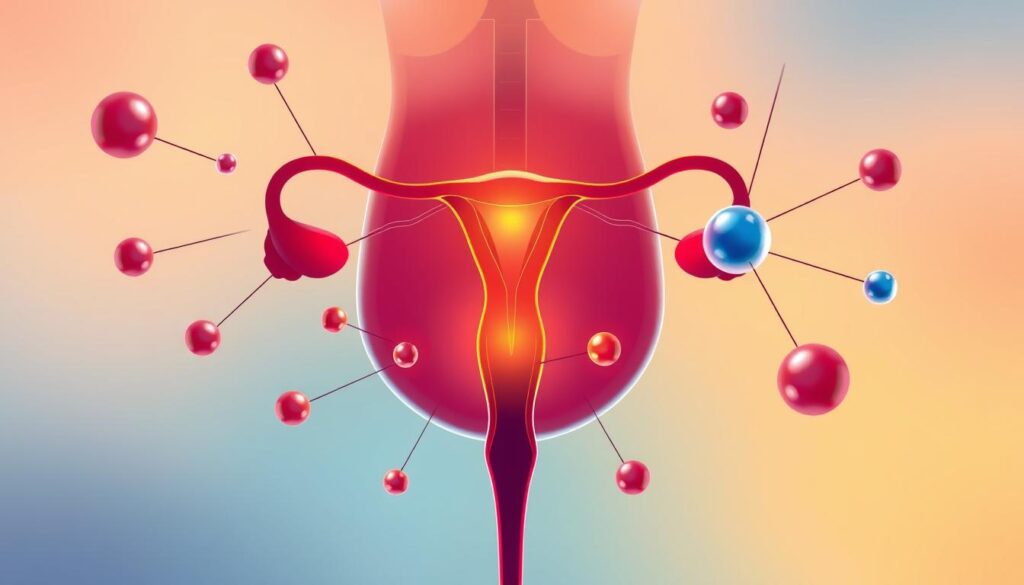
Cholesterol levels can greatly affect your ability to have children. Your body’s cholesterol impacts more than just heart health. It plays a crucial role in reproductive wellness1.
High cholesterol can lower your chances of starting a family2. Cholesterol is essential for making hormones like testosterone, progesterone, and estradiol1. These hormones are vital for reproduction.
Unbalanced cholesterol levels can create hurdles for couples trying to conceive2. Research shows that both men and women face fertility challenges due to cholesterol issues.
Women with high “bad” cholesterol may experience hormonal imbalances1. This can make fertilization more difficult. Men might have reduced sperm quality and volume when cholesterol levels are too high1.
Key Takeaways
- Cholesterol levels directly influence reproductive health
- Hormonal balance depends on appropriate cholesterol levels
- Both men and women can experience fertility challenges from high cholesterol
- Regular monitoring of cholesterol is crucial for reproductive wellness
- Diet and lifestyle play significant roles in managing cholesterol
Understanding Cholesterol: The Basics
Cholesterol is vital for your body’s health. This waxy substance is key to your cellular structure. It’s essential for many biological processes in your body.
What is Cholesterol?
Cholesterol is a fat-like substance in every cell of your body. It’s crucial for building cell membranes and producing hormones. Cholesterol also helps in vitamin D production.
Nearly 94 million U.S. adults have total cholesterol levels above 200 mg/dL3. This shows how important cholesterol is for many people.
Types of Cholesterol
There are two main types of cholesterol:
- LDL cholesterol: Often called “bad” cholesterol, which can contribute to plaque buildup in arteries4
- HDL cholesterol: Known as “good” cholesterol, helping remove excess cholesterol from your bloodstream4
Importance of Cholesterol in the Body
Cholesterol levels are critical for your overall health. About 28 million U.S. adults have total cholesterol levels above 240 mg/dL3. This can signal potential health risks.
Regular monitoring is key to maintaining optimal cholesterol levels5. It helps you stay on top of your health.
“Cholesterol is not inherently bad – it’s all about balance and understanding.”
Your body needs a careful balance of cholesterol to work well. Some cholesterol is necessary for good health. But too much can lead to health problems.
The Link Between Cholesterol and Reproductive Health
Cholesterol is vital for your reproductive health. It’s a key building block for hormones that control fertility. Knowing this link helps you make smart choices about your reproductive well-being.
How Cholesterol Affects Hormones
Your body needs cholesterol to make important reproductive hormones. These hormones keep your fertility in balance. Couples with unusual cholesterol levels might have trouble getting pregnant6.
- Cholesterol serves as a precursor for sex hormones
- Hormone production depends on balanced cholesterol levels
- Reproductive hormone synthesis requires optimal cholesterol
Cholesterol’s Role in Egg and Sperm Production
Cholesterol affects both female and male ability to reproduce. Studies show that how your body handles fats greatly impacts reproductive function7.
| Reproductive Component | Cholesterol Impact |
|---|---|
| Female Fertility | Affects hormone receptor sensitivity |
| Male Fertility | Influences sperm quality and count8 |
Maintaining healthy cholesterol levels can positively influence your reproductive potential6.
For men, unusual cholesterol levels can hurt sperm production. High LDL cholesterol may lower testosterone and sperm quality8.
Changing your lifestyle can help manage cholesterol and boost reproductive health. Try eating more whole grains and healthy fats8.
Grasping the complex link between cholesterol and reproduction is key. It helps you make smart choices on your fertility journey.
High Cholesterol and Its Impact on Fertility
High cholesterol can affect your chances of having a baby. It influences reproductive health in surprising ways. Understanding this link is key for couples trying to conceive.
High cholesterol affects over 70 million Americans, impacting fertility outcomes9. Only one-third of adults have their cholesterol under control9. This widespread issue creates challenges for couples planning families.
Effect on Ovulation
High cholesterol disrupts normal reproductive processes. Women with high cholesterol often take longer to conceive910. Hormonal imbalances from elevated cholesterol can hinder successful fertilization9.
- Couples with high cholesterol take longer to become pregnant
- Hormonal disruptions can impact ovulation
- Cholesterol levels influence reproductive health
Implications for Male Fertility
High cholesterol affects men’s fertility too. Elevated LDL levels can reduce semen quality and sperm count9. It creates a tough environment for sperm production and movement10.
| Cholesterol Level Impact | Fertility Outcome |
|---|---|
| Both Partners High Cholesterol | Longest Conception Time |
| Woman High Cholesterol | Extended Pregnancy Attempts |
| High LDL Levels | Reduced Sperm Quality |
Lowering high cholesterol levels can improve your chances of conception. Healthy cholesterol creates a better environment for potential pregnancy9.
“Your cholesterol levels play a critical role in your reproductive potential” – Fertility Specialists
Managing cholesterol isn’t just about heart health. It’s about preparing your body for potential parenthood. Regular check-ups can help you track your levels.
Low Cholesterol: Is It Better for Fertility?
Cholesterol’s impact on fertility isn’t just about low numbers. Your reproductive health needs a delicate balance of cholesterol levels. Extremely low levels can actually pose risks to your fertility.
Cholesterol management for fertility needs careful thought. Reproductive health requires an optimal range, not the lowest possible cholesterol levels. Couples with abnormal cholesterol levels may struggle to conceive6.
Research shows that high cholesterol in one partner can significantly impact fertility potential6. Balancing cholesterol is key for both partners.
Understanding Low Cholesterol Levels
Low cholesterol and fertility have a complex link. Your body needs cholesterol to make essential reproductive hormones. Very low cholesterol can cause problems.
These issues may include:
- Decreased hormone production
- Disrupted reproductive processes
- Potential challenges in egg and sperm development
Potential Risks of Low Cholesterol
Extremely low cholesterol can hurt your reproductive abilities. Male fertility can be greatly affected by cholesterol imbalances. Abnormal levels may impact:
- Seminal fluid volume
- Sperm count
- Sperm morphology8
“Maintaining cholesterol balance is key to supporting reproductive health”
The Mediterranean diet can help manage cholesterol and support fertility6. About 30-35% of adults control their cholesterol through lifestyle changes8.
Your journey to better reproductive health starts with understanding cholesterol’s role. Balancing cholesterol levels is crucial for optimal fertility.
The Role of Diet in Managing Cholesterol
Your diet greatly affects cholesterol levels and reproductive health. Smart food choices can boost fertility and overall wellness. Understanding this link helps you make better nutritional decisions.
Nutrition for fertility needs a smart diet approach. Food choices impact reproductive health and cholesterol levels11. Men with dyslipidemia can benefit from specific dietary changes11.
About 45% of people in Western countries have dyslipidemia. This condition can be improved through targeted nutrition11.
Foods That Help Lower Cholesterol
- Incorporate heart-healthy omega-3 fatty acids from fish
- Choose fiber-rich whole grains
- Eat plenty of fresh fruits and vegetables
- Select lean proteins
- Consume nuts and seeds
High-cholesterol diets can harm sperm health. They affect sperm shape and movement11. Studies on rabbits show these diets change sperm makeup and function11.
Nutrients Essential for Reproductive Health
| Nutrient | Fertility Benefits |
|---|---|
| Folic Acid | Supports egg and sperm health |
| Vitamin D | Improves reproductive hormone balance |
| Zinc | Enhances sperm production |
“Your diet is a powerful tool in managing cholesterol and supporting reproductive health.”
Eating habits directly affect fertility12. Women with balanced diets have better reproductive health. Good nutrition improves ovulation and embryo quality12.
A balanced diet manages cholesterol and provides key nutrients. This approach can boost your reproductive potential and overall health.
Lifestyle Factors That Influence Cholesterol Levels
Your lifestyle greatly impacts cholesterol levels and fertility. Daily habits can shape your reproductive health. Understanding these connections helps you make better choices for your well-being.
The Impact of Physical Activity
Regular exercise helps manage cholesterol and boosts fertility. Aerobic activities increase HDL (good) cholesterol levels13. Consistent physical activity offers many benefits.
It improves heart health and helps control weight. Exercise also enhances overall reproductive wellness.
- Improve cardiovascular health
- Manage weight effectively
- Enhance overall reproductive wellness
Smoking and Alcohol: Hidden Fertility Disruptors
Lifestyle and cholesterol are closely linked. Smoking and excessive drinking can be harmful. Smoking harms blood vessels and lowers HDL cholesterol13.
| Habit | Cholesterol Impact | Fertility Consequence |
|---|---|---|
| Smoking | Lowers HDL cholesterol | Reduces reproductive health |
| Excessive Alcohol | Disrupts lipid metabolism | Impairs hormone balance |
“Your daily choices shape your reproductive potential” – Fertility Health Experts
Balanced lifestyles improve conception chances for couples14. In the U.S., 15-17% of reproductive-aged people face infertility. This makes lifestyle management crucial14.
Stress and Cholesterol Connection
Stress hormones like cortisol can directly influence cholesterol levels13. Meditation, yoga, and exercise help manage stress. These practices support hormonal balance and fertility goals.
Monitoring Your Cholesterol Levels
Cholesterol levels play a vital role in reproductive health and overall wellness. Regular testing offers insights into your body’s metabolic functions and potential fertility issues.
These tests are key for fertility health monitoring. Your doctor can help track important markers that affect reproductive potential.
Recommended Cholesterol Screening Guidelines
How often you need cholesterol testing depends on several factors. Here are some key recommendations:
- Adults aged 20-45 should get tested every 4-6 years15
- Individuals with risk factors may need more frequent screenings
- Women experiencing fertility concerns should consider more comprehensive testing
Understanding Cholesterol Test Results
A complete cholesterol test typically measures:
| Cholesterol Type | Optimal Range | Potential Risk |
|---|---|---|
| Total Cholesterol | Less than 200 mg/dL | Greater than 200 mg/dL16 |
| LDL Cholesterol | Less than 100 mg/dL | Greater than 160 mg/dL16 |
| HDL Cholesterol | Above 40 mg/dL | Less than 40 mg/dL16 |
Interesting fact: Only 1 out of 3 adults with high cholesterol has the condition under control15.
“Regular cholesterol testing is your first line of defense in understanding reproductive health,” says fertility experts.
Cholesterol testing is crucial for those planning pregnancy15. Studies show that high cholesterol may lead to longer conception times for couples.
Taking charge of your health through proactive monitoring can guide your fertility journey. It empowers you to make informed decisions about your overall well-being.
Treatment Options for High Cholesterol
Managing cholesterol levels is vital for reproductive health and overall wellness. Your cholesterol treatment journey involves exploring various approaches. These approaches can help you achieve optimal health.
Cholesterol treatment involves medications and natural fertility supplements. Each approach offers unique benefits and challenges. This is especially true for those concerned about reproductive health.
Medications for Cholesterol Management
Statins are the main drugs for cholesterol treatment. There are seven FDA-approved statins available17:
- Atorvastatin
- Fluvastatin
- Lovastatin
- Pitavastatin
- Pravastatin
- Rosuvastatin
- Simvastatin
These drugs work by blocking an enzyme in the liver. This reduces cholesterol production and lowers LDL-C levels in the blood17.
Potential Side Effects and Fertility Considerations
Statins can manage cholesterol well, but they may affect fertility. Some studies show possible effects on male reproductive health. These include decreased sperm motility and count17.
Women trying to conceive should talk to their doctors. They can discuss other ways to manage cholesterol.
Natural Remedies and Fertility Supplements
Natural approaches to cholesterol treatment include:
- Red yeast rice supplements
- Omega-3 fatty acids
- Plant sterols
- Dietary modifications
“Always consult your healthcare provider before starting any new supplement regimen, especially when concerned about fertility.”
People with familial hypercholesterolemia can benefit from genetic testing. Specialized screening can provide insights into cholesterol management18.
| Treatment Type | Potential Impact on Fertility |
|---|---|
| Statins | Potential negative effects on sperm quality |
| Natural Supplements | Generally considered safer for reproductive health |
| Lifestyle Changes | Positive impact on overall reproductive wellness |
Remember, personalized medical guidance is crucial when exploring cholesterol treatment and fertility supplements.
Lifestyle Changes to Improve Fertility
Your lifestyle greatly impacts reproductive health. Nutrition and stress management are key factors in achieving optimal fertility. These elements can significantly influence your reproductive potential.
A fertility diet can boost your reproductive health. Nutrition affects hormonal balance and overall reproductive wellness. Making smart food choices can enhance your fertility potential.
Nutrition for Fertility
A balanced, nutrient-rich diet supports reproductive health. Here are some key dietary recommendations to consider:
- Choose slow carbs rich in fiber to improve fertility19
- Replace saturated fats with monounsaturated and polyunsaturated fats20
- Prioritize vegetable proteins like beans, peas, and nuts20
- Select lean meats and low-fat dairy products20
Weight management is vital for fertility. Being overweight or underweight can disrupt reproductive function19. Losing 5-10% of body weight can boost ovulation and pregnancy rates19.
Managing Stress and Fertility
Stress and fertility are closely linked. Chronic stress can negatively affect hormonal balance and reproductive health. Your mental well-being is crucial for fertility.
“Your mental well-being is as important as your physical health in the fertility journey.”
Try these stress management techniques:
- Practice daily meditation
- Engage in regular exercise
- Maintain a consistent sleep schedule
- Consider yoga or mindfulness practices
| Lifestyle Factor | Fertility Impact |
|---|---|
| Daily Exercise | Boosts reproductive health20 |
| Balanced Diet | Supports hormonal regulation |
| Stress Management | Improves overall reproductive wellness |
Remember, small lifestyle modifications can make a significant difference in your fertility journey.
Seeking Professional Help
Fertility challenges can be complex, especially when cholesterol levels might affect reproductive health. Knowing when to seek expert guidance is vital for couples trying to conceive.
Timing is crucial when consulting a fertility specialist. It can greatly impact your reproductive journey. Approximately 10-15% of couples in the United States experience infertility issues21.
When to Seek a Fertility Specialist
- Women under 35 should consult a fertility specialist after 12 months of unsuccessful conception attempts21
- Women over 35 should seek help after 6 months of trying to conceive21
- Individuals with known cholesterol-related reproductive health concerns
- Couples experiencing unexplained fertility challenges
The Importance of a Comprehensive Reproductive Health Assessment
A thorough reproductive health assessment with a fertility specialist involves multiple crucial evaluations:
| Assessment Component | Purpose |
|---|---|
| Cholesterol Level Testing | Evaluate potential impact on hormone production |
| Hormone Level Evaluation | Assess reproductive system functionality |
| Sperm Quality Analysis | Check potential cholesterol-related fertility issues22 |
“Early intervention and comprehensive assessment can significantly improve your chances of successful conception.”
Fertility specialists offer targeted advice and potential treatment options. They provide emotional support throughout your reproductive health journey21.
Professional guidance ensures you receive personalized care. It’s tailored to your unique reproductive needs.
Linking Cholesterol, Fertility, and Overall Health
Cholesterol levels play a crucial role in hormonal balance and reproductive health. Your body needs cholesterol to maintain hormones, which affects fertility and overall wellness23.
A holistic fertility approach involves understanding cholesterol’s impact on reproduction. Research shows cholesterol levels can influence fertility outcomes. Reproductive health experts recommend considering multiple factors.
The Hormonal Balance Connection
Cholesterol is essential for hormone production. Key insights show its importance:
- Higher levels of good cholesterol (HDL) can positively impact reproductive potential23
- Cholesterol homeostasis is crucial for male reproductive function24
- Hormonal imbalances may directly correlate with cholesterol levels
The Role of a Healthy Lifestyle
Lifestyle choices greatly affect cholesterol and reproductive health. Important factors include:
- Regular physical activity
- Balanced nutrition
- Stress management techniques
- Regular health screenings
Your reproductive health is a reflection of your overall wellness.
Understanding the link between cholesterol and hormones helps improve fertility and health. Take action to optimize your well-being24.
Moving Forward: Steps You Can Take
Your fertility journey needs a smart approach to cholesterol management. Taking action can boost your reproductive health and overall wellness. Start by knowing your cholesterol levels and their impact on fertility25.
Create a nutrition plan that supports cholesterol control and reproductive health. Cut down on saturated and trans fats. Increase fiber-rich foods in your diet.
Aim for 25 to 30 grams of daily fiber from fruits, veggies, and legumes25. Research shows that diet changes can help manage cholesterol and support fertility26.
Lifestyle changes are crucial for success. Men should limit alcohol to two drinks per day. Women should stick to one drink25.
Try a Mediterranean-style diet. It may benefit fertility and overall health26. Regular check-ups help track progress and adjust your goals.
Your fertility planning is a whole-body journey. Set realistic health targets and make consistent lifestyle changes. Stay informed to improve your cholesterol levels and fertility outcomes.
FAQ
How does cholesterol affect fertility?
Cholesterol is vital for reproductive health. It influences hormone production and blood flow. High cholesterol can disrupt hormone balance, potentially reducing fertility in both sexes.
The ovaries have HDL receptors. Cholesterol is essential for producing steroidal hormones needed for reproduction.
Can high cholesterol prevent pregnancy?
High cholesterol doesn’t prevent pregnancy entirely. However, it can make conception harder. Studies show couples with high cholesterol may take longer to conceive.
In women, high cholesterol can cause ovulation issues. For men, it can reduce sperm quality and count.
Is low cholesterol better for fertility?
Not always. Very low cholesterol can be as harmful as high levels. Your body needs balanced cholesterol to produce hormones effectively.
Extremely low cholesterol may disrupt hormone production. This can interfere with reproductive processes. The goal is maintaining cholesterol within a healthy range.
How can I improve my cholesterol levels to support fertility?
Several lifestyle changes can improve cholesterol levels. Eat a balanced diet rich in fiber and omega-3 fatty acids. Exercise regularly and maintain a healthy weight.
Avoid trans fats and manage stress. Foods like fruits, veggies, whole grains, and lean proteins support reproductive health.
Do cholesterol medications affect fertility?
Some cholesterol medications, like statins, may impact fertility. Consult your doctor about potential effects on reproductive health. Natural alternatives like omega-3 supplements might be considered.
Always discuss medication changes with a healthcare professional. This is especially important when trying to conceive.
How often should I get my cholesterol checked when trying to conceive?
The American Heart Association suggests cholesterol screening every 4-6 years for adults. If you’re trying to conceive, you may need more frequent checks.
Consult a reproductive health specialist for personalized advice. They can recommend an appropriate testing schedule for your needs.
Can lifestyle changes really improve cholesterol and fertility?
Absolutely! Lifestyle greatly affects cholesterol and fertility. Regular exercise and stress management techniques can help. A healthy diet and adequate sleep are also important.
Avoiding harmful habits like smoking can positively impact both cholesterol levels and reproductive health.
When should I seek professional help for fertility and cholesterol concerns?
Seek help if you’ve been trying to conceive for over a year. If you’re over 35, consult after 6 months.
A comprehensive assessment should include cholesterol and hormone tests. A Reproductive Endocrinology Specialist can provide targeted advice and treatment options.
Source Links
- High cholesterol can affect fertility: both for women and men – https://www.ivi.uk/blog/high-cholesterol-can-affect-the-fertility-of-both-men-and-women/
- How does high levels of Cholesterol affect fertility and pregnancy – https://www.institutobernabeu.com/en/blog/how-does-high-levels-of-cholesterol-affect-fertility-and-pregnancy/
- Cholesterol 101: Understanding the Basics – Knew Health – https://knewhealth.com/cholesterol-101-understanding-the-basics/
- Understanding Cholesterol – Orla Walsh Nutrition – https://orlawalshnutrition.ie/understanding-cholesterol/
- Cholesterol | OSF HealthCare – https://healthlibrary.osfhealthcare.org/167,cholesterol
- What impact does cholesterol have on my fertility? – https://www.institutobernabeu.com/en/blog/impact-cholesterol-fertility/
- The Association between Circulating Lipids and Female Infertility Risk: A Univariable and Multivariable Mendelian Randomization Analysis – https://www.mdpi.com/2072-6643/15/14/3130
- Impact of high and low cholesterol on male infertility – https://www.andrologycenter.in/blog/impact-of-high-and-low-cholesterol-on-male-infertility/
- The Connection Between LDL Cholesterol and Fertility – https://www.stonybrookmedicine.edu/islandfertility/news/cholesterol
- NIH study links high cholesterol levels to lower fertility – https://www.nih.gov/news-events/news-releases/nih-study-links-high-cholesterol-levels-lower-fertility
- Dietary Cholesterol and Lipid Overload: Impact on Male Fertility – https://pmc.ncbi.nlm.nih.gov/articles/PMC6925770/
- Nutrition and Female Fertility: An Interdependent Correlation – https://pmc.ncbi.nlm.nih.gov/articles/PMC6568019/
- Things That Can Impact Your Cholesterol Levels – https://www.webmd.com/cholesterol-management/things-that-impact-cholesterol
- High cholesterol levels may be linked to infertility in both men and women – https://www.cbsnews.com/news/high-cholesterol-levels-may-be-linked-to-infertility-in-both-men-and-women/
- High cholesterol linked to infertility – https://www.medicalnewstoday.com/articles/277067
- Tips for Managing Cholesterol Levels During Pregnancy – https://www.healthline.com/health/pregnancy/manage-cholesterol-levels-during-pregnancy
- Statins and Male Fertility: Is There a Cause for Concern? – https://pmc.ncbi.nlm.nih.gov/articles/PMC9607778/
- High Cholesterol: Causes, Diagnosis, and Treatments | AHN – https://www.ahn.org/services/cardiovascular/conditions/high-cholesterol
- PowerPoint Presentation – https://www.urmc.rochester.edu/medialibraries/urmcmedia/fertility-center/education/documents/fertility-diet.pdf
- Fertility Diet – Institute for Reproductive Health – https://cincinnatifertility.com/fertility-diet/
- When to See a Fertility Specialist: Ask the Expert – https://www.healthline.com/health/infertility/ask-the-expert-fertility-specialist
- The Impact of High Cholesterol on Male Fertility – https://www.capscoretest.com/blogs/male-fertility-resources/the-impact-of-high-cholesterol-on-male-fertility?srsltid=AfmBOorGGyVmTw1dBfrayxfDLupWh-mH_IjWGYBSJGEnrC5IVd71U_YV
- Infertility: the link with high cholesterol – https://www.buffalo.edu/news/releases/2014/05/038.html
- Cholesterol: A Gatekeeper of Male Fertility? – https://pmc.ncbi.nlm.nih.gov/articles/PMC6060264/
- How is Cholesterol Associated with Fertility? | Infertility and Cholesterol – https://www.indiraivf.com/blog/high-cholesterol-and-infertility
- 16 Natural Ways to Boost Fertility – https://www.healthline.com/nutrition/16-fertility-tips-to-get-pregnant

