
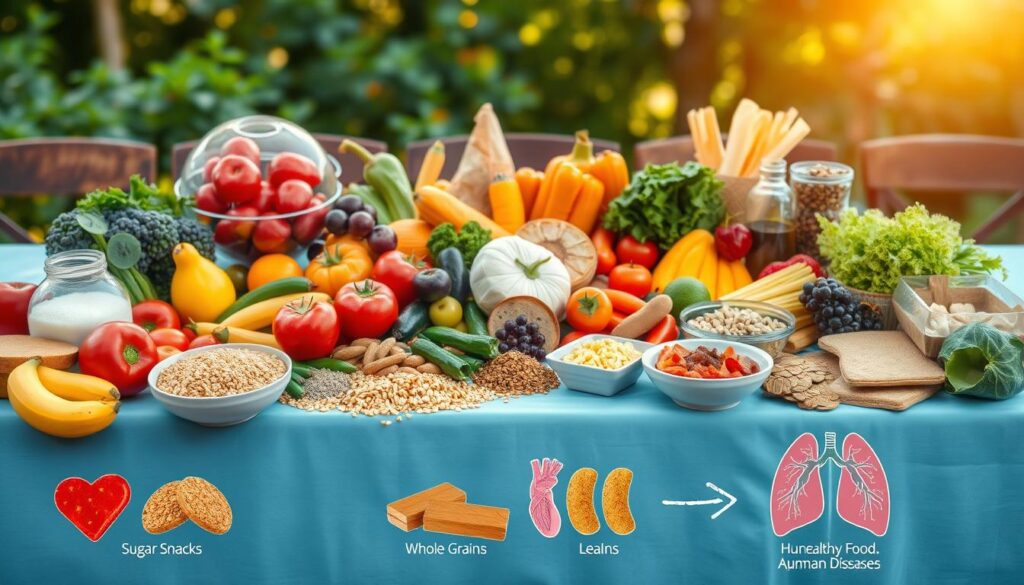
Your food choices shape your health and disease risk. Understanding this connection empowers you to make smart nutrition decisions. These choices protect your long-term wellness1.
Research reveals a shocking truth about nutrition and health. Nearly half of adult deaths from heart disease, stroke, and diabetes link to poor eating habits1.
Dietary factors and disease risk are closely connected. Specific food choices impact your chances of developing chronic health conditions1.
Some groups face higher risks from poor nutrition. Men, Black Americans, Hispanics, and those with less education are more vulnerable. They often face more diet-related health challenges1.
Genetics and exercise affect health risks too. But your daily food choices remain a powerful disease-fighting tool. Smart eating can lower your odds of serious chronic conditions1.
Key Takeaways
- Diet directly influences disease risk and overall health
- 45% of adult deaths are associated with nutritional factors
- Demographic variations exist in diet-related health risks
- Individual food choices can dramatically impact long-term wellness
- Nutrition is a critical component of preventative healthcare
Understanding Dietary Factors
Nutrition is crucial for managing lifestyle and chronic diseases. Your diet is a powerful tool that can protect or harm your health. Diet-related illnesses are becoming a global concern.
Understanding nutrition’s impact on diseases is vital. Your food choices can make a big difference in your overall well-being.
- Types of foods consumed
- Nutrient composition
- Portion sizes
- Frequency of meals
What Are Dietary Factors?
Dietary factors represent your eating habits’ nutritional profile. They determine how your body processes nutrients, fights diseases, and stays healthy2.
In 2021, about 10.6% of global deaths were linked to poor dietary choices. This shows the strong connection between nutrition and disease prevention2.
Importance of Nutrition in Health
Your diet directly affects your risk of chronic conditions. Evidence shows that certain eating patterns can lower the chances of heart diseases3.
Diets rich in fruits, vegetables, whole grains, and lean proteins are linked to lower disease risks. These foods can help protect your body from various health problems.
“Let food be thy medicine and medicine be thy food” – Hippocrates
| Dietary Pattern | Health Impact |
|---|---|
| High in Fruits/Vegetables | Reduced Cardiovascular Risk |
| Whole Grains | Lower Inflammation |
| Lean Proteins | Improved Metabolic Health |
Nutrition is about maintaining health and preventing diet-related diseases. By understanding dietary factors, you can make smart choices for your long-term well-being4.
The Role of Carbohydrates
Carbohydrates are vital for your diet and health. They can affect your disease risk too. Learning about different carb types helps you make smart food choices.
Simple vs. Complex Carbohydrates
Carbs come in two main types. Simple carbs have one or two sugar units. Complex carbs have many sugar units5.
- Simple Carbohydrates: Quick energy, less nutritional value
- Complex Carbohydrates: Slower digestion, more nutrients
Carbohydrates and Chronic Disease Risk
Your carb intake affects your health. The glycemic index (GI) of foods can change health markers.
| Health Marker | Lowest Quintile | Highest Quintile |
|---|---|---|
| Triglycerides | 115 mg/dL | 127 mg/dL |
| Fasting Insulin | 26.8 μu/mL | 28.9 μu/mL |
| HDL Cholesterol | 49 mg/dL | 47 mg/dL |
“The quality of carbohydrates you consume can be a powerful factor in managing metabolic health.” – Nutritional Science Research
Refined carbs can lead to metabolic syndrome and related diseases5. Plant-based carbs have been key in human evolution. They provide nutrients for brain growth and metabolism5.
For better health, choose complex carbs from whole foods. These offer more nutrients and support long-term wellness6.
Fats: Healthy vs. Unhealthy
Dietary fats play a crucial role in nutrition and disease risk. Not all fats are equal, and your diet can impact your health significantly.
Your body needs fats for essential functions. Choosing the right types is key to maintaining optimal health.
Types of Dietary Fats
Dietary fats fall into several main categories:
- Saturated fats: Found in animal products and some tropical oils7
- Unsaturated fats: Including monounsaturated and polyunsaturated varieties7
- Trans fats: Artificially created fats now considered unsafe7
*Not all fats are harmful to your health. Some can actually protect your cardiovascular system.*
Impact of Fats on Heart Disease
Research shows how different fats affect your heart health. Replacing saturated fats with polyunsaturated fats can reduce heart disease risk8.
Omega-3 fatty acids, found in fish and nuts, can lower blood pressure. They also reduce the risk of coronary artery disease8.
| Fat Type | Health Impact | Recommended Intake |
|---|---|---|
| Saturated Fats | Potential heart disease risk | Less than 10% of daily calories7 |
| Monounsaturated Fats | Improves cholesterol levels | Found in olive oil, nuts, avocados7 |
| Polyunsaturated Fats | Supports heart health | Essential from fish, seeds, nuts8 |
| Trans Fats | Increases inflammation | Avoid completely7 |
Fat consumption strongly influences your diet and health correlations. Monitor your intake and choose heart-healthy fats to reduce potential disease risks9.
Proteins and Their Function
Protein is crucial for your body’s health. It builds cells, tissues, and supports overall well-being. Let’s explore protein’s key functions and sources.
Adults should eat 0.8 grams of protein per kilogram of body weight daily. This is about 50-70 grams for most people, depending on their weight10.
Sources of Healthy Proteins
You can get protein from many foods. Each offers unique benefits for your health.
- Lean meats and poultry
- Fish and seafood
- Eggs
- Legumes and beans
- Nuts and seeds
- Plant-based protein alternatives
Experts say 20 to 30 grams of protein per meal is enough11. Plant proteins like legumes and nuts are good for you and the planet10.
Protein Intake and Disease Prevention
“The quality of protein matters more than the quantity” – Nutrition Experts
Harvard found that protein calories don’t directly affect death rates10. The protein source is what really impacts your health.
| Protein Source | Protein per 100g | Additional Nutrients |
|---|---|---|
| Chicken Breast | 31g | Low fat, high vitamin B6 |
| Lentils | 9g | High fiber, iron-rich |
| Salmon | 22g | Omega-3 fatty acids |
Eating more than 22 percent of daily calories from protein might be risky11. Aim for balanced nutrition to support your health and prevent disease.
Micronutrients That Matter
Micronutrients are vital for your health and disease prevention. Your food choices impact health by providing essential vitamins and minerals. These nutrients support bodily functions and protect against health risks.
Understanding micronutrients is key for managing lifestyle and chronic diseases. Half of children worldwide lack proper vitamins and minerals12. This shows how important good nutrition is globally.
Essential Vitamins and Minerals for Optimal Health
Your daily diet needs a mix of micronutrients. Here are important vitamins and minerals to focus on:
- Water-soluble vitamins (B-complex and C)
- Fat-soluble vitamins (A, D, E, K)
- Essential minerals like calcium, magnesium, and zinc
Micronutrient Deficiency and Disease Risk
Not getting enough micronutrients can increase your risk of diseases. Here are some global statistics:
- Vitamin A deficiency affects 190 million preschool-age children globally12
- About 1.8 billion people don’t get enough iodine12
- 17.3% of people worldwide risk zinc deficiency12
“Nutrition is the foundation of health, and micronutrients are the building blocks of wellness.”
For better health, aim for these daily intakes of key micronutrients:
Consulting with a healthcare professional can help you create a personalized nutrition plan that addresses your specific micronutrient needs.
Fiber: The Unsung Hero of Diet
Dietary fiber is vital for preventing diet-related illnesses and managing nutrition’s impact on diseases. It can transform your approach to healthy eating14.
Most adults fall short of their daily fiber needs. The recommended intake is 22 to 34 grams, but many consume less15. This gap can lead to health issues.
Types of Fiber: A Closer Look
- Soluble Fiber: Helps regulate blood sugar and cholesterol16
- Insoluble Fiber: Promotes digestive health and regular bowel movements16
How Fiber Reduces Disease Risk
Fiber offers amazing health benefits. It can lower cholesterol, stabilize blood sugar, and support heart health14.
As a natural appetite suppressant, fiber aids in weight management. It also helps reduce chronic inflammation16.
“Fiber is not just a digestive aid, it’s a powerful tool in preventing chronic diseases.”
Try adding high-fiber foods to your diet. Raspberries, chia seeds, lentils, and whole grains are great choices14.
Increase your fiber intake slowly to avoid discomfort. Drink plenty of water as you improve your nutrition15.
The Mediterranean Diet Explained
The Mediterranean diet offers a powerful approach to eating habits and disease prevention. It provides a strategy for supporting long-term health and reducing disease risk. This nutritional pattern goes beyond just delicious meals.
The Mediterranean diet is more than just eating. It’s a lifestyle centered on whole, nutrient-rich foods that support optimal health. A study of 26,000 women showed it could lower heart disease risk by 25%17.
Key Components of the Diet
The diet emphasizes several core nutritional elements:
- Abundant fresh fruits and vegetables
- Whole grains
- Lean proteins like fish and poultry
- Healthy fats from olive oil and nuts
- Moderate dairy consumption
Health Benefits and Disease Prevention
Research shows the diet’s role in preventing chronic conditions. A study of 22,000 women found it reduced heart disease risk by 24%. It also lowered premature death risk by 23%17.
“The Mediterranean diet is not just a diet, it’s a blueprint for lifelong health.” – Nutrition Experts
The PREDIMED study showed impressive results. Participants following the diet with extra olive oil or nuts had 30% fewer stroke-related deaths17. Women closely following this diet were 46% more likely to age healthfully17.
You can transform your eating habits by focusing on whole foods. This diet offers a tasty way to better health. It’s backed by science and can help prevent diseases.
The Impact of Processed Foods
Processed foods significantly affect nutrition and disease risk. Your diet choices shape your long-term wellness. Processed food consumption can greatly impact your overall health.
The U.S. Department of Agriculture defines processed foods as modified agricultural commodities. These changes include washing, cutting, heating, or preserving techniques. Such methods alter the original food item18.
Understanding Food Labeling
Reading food labels requires careful attention. The NOVA system helps categorize processed foods into groups:
- Unprocessed or minimally processed foods
- Processed culinary ingredients
- Processed foods
- Ultra-processed foods18
Health Risks Associated with Processed Foods
Ultra-processed foods are a major concern in diet-health links. They make up about 60% of calories in the average U.S. diet18.
These foods often contain artificial additives. Such additives enhance shelf life and taste18.
| Food Category | Health Risk |
|---|---|
| Soda | Increased obesity risk |
| Frozen Meals | High sodium content |
| Ultra-processed Meat | Cardiovascular disease risk19 |
Each daily serving of ultra-processed food can raise heart disease risk by 7-9%19. Smart food choices are key to protecting your health.
Your food choices today shape your health tomorrow.
The Role of Sugars in Diet
Sugar’s impact on nutrition and health is vital for managing diet and disease risk. Not all sugars are the same. Your sugar intake can greatly affect your overall wellness.
The Dietary Guidelines for Americans suggest limiting added sugars to prevent health issues. Recent research on sugar consumption patterns offers valuable insights into nutrition and health20.
Natural Sugars vs. Added Sugars
Your diet should separate natural and added sugars:
- Natural sugars: Found in fruits, vegetables, and dairy products
- Added sugars: Incorporated during food processing or preparation
Both children and adults consume a lot of added sugars daily. The average daily intake is about 17 teaspoons for both groups20.
Sugar Consumption and Disease Associations
“Excessive sugar intake can lead to serious health risks” – Nutrition Experts
Studies have found worrying links between sugar consumption and various health problems:
- Increased risk of cardiovascular disease21
- Higher likelihood of metabolic disorders21
- Potential cancer risks21
The World Health Organization advises that less than 10% of total energy should come from free sugars. They suggest even more benefits if reduced to 5%22.
By managing your sugar intake, you can make smart food choices. This supports long-term health and lowers disease risk.
Lifestyle Factors Alongside Diet
Your food choices and health outcomes are closely linked to your overall lifestyle. Nutrition goes beyond what you eat. It’s about how you live your life.
Lifestyle and chronic diseases are deeply connected. Understanding this broader health picture is vital for your well-being.
Physical activity is crucial in supporting your dietary habits23. Research shows that healthy lifestyle factors can lower chronic heart disease risk. Your daily habits form a complex network affecting your overall health.
The Interplay of Physical Activity and Nutrition
Your body thrives on a balanced approach to health. Here are key connections between physical activity and nutrition:
- Regular exercise helps metabolize nutrients more efficiently
- Physical activity can improve insulin sensitivity
- Movement supports better digestion and nutrient absorption
Stress and Its Effect on Eating Habits
Stress can dramatically alter your food choices and eating patterns.24 Lifestyle patterns show a dynamic interaction between various health factors.
When stressed, people often:
- Consume more comfort foods
- Make less nutritious dietary selections
- Disrupt normal eating schedules
“Your health is a reflection of your lifestyle choices” – Wellness Expert
| Lifestyle Factor | Impact on Health |
|---|---|
| Regular Exercise | Reduces chronic disease risk |
| Stress Management | Improves nutritional decision-making |
| Consistent Sleep | Supports metabolic health |
25Four core health behaviors are crucial for arterial health. These include smoking, physical activity, diet, and weight management.
Understanding these connections helps you make better choices about your overall health strategy. Your lifestyle impacts your well-being in many ways.
Creating a Personalized Nutrition Plan
A personalized nutrition strategy helps manage diet-related illnesses. It offers targeted dietary advice based on your unique traits. Research shows promise, but scientific evidence is still limited.
Your nutrition plan should factor in genetics, lifestyle, and health history. New tech analyzes how your body reacts to different foods. Genetic tests and real-time health data can create tailored dietary recommendations.
Assessing Individual Dietary Needs
Understanding your nutritional needs requires thorough assessments. Registered dietitians can help develop a strategy addressing potential disease risks. They analyze your genetics, health status, and lifestyle for a personalized wellness approach.
Consultation with Healthcare Professionals
Expert guidance is vital in personalized nutrition. Nutrition pros can interpret genetic info and provide practical dietary tips. Personalized nutrition may improve health outcomes, but keep expectations realistic.
FAQ
How do dietary factors impact disease risk?
Your food choices directly affect your chronic disease risk. Poor eating habits are linked to nearly half of cardiometabolic disease deaths. The foods you eat can greatly impact your overall health.
Your diet can increase or decrease your risk of heart disease, stroke, and type 2 diabetes.
What are the most problematic dietary factors?
Major dietary risks include excess sodium, processed carbs, unhealthy fats, and added sugars. Too much sodium is tied to the highest percentage of cardiometabolic disease deaths.
Processed foods high in salt, sugar, and unhealthy fats contribute to many health risks.
Are all carbohydrates bad for my health?
Not all carbs are equal. Complex carbs in whole grains and veggies are healthier, offering more nutrients and fiber. Processed carbs like white flour can raise prediabetes and type 2 diabetes risk.
These refined carbs cause rapid blood sugar spikes, which can be harmful to your health.
What types of fats should I be concerned about?
Be cautious of trans and saturated fats, which are linked to higher disease risks, especially heart disease. Unsaturated fats are generally healthier.
Focus on the quality of fats rather than just reducing total fat intake.
How important are micronutrients in preventing diseases?
Micronutrients are vital for good health. Vitamin and mineral deficiencies can increase your risk of various diseases. Low seafood omega-3 fat intake was linked to many cardiometabolic disease deaths.
Is the Mediterranean diet really beneficial?
Yes! The Mediterranean diet offers major health benefits. It lowers heart disease risk by 31% and stroke risk by 20%. This diet is rich in fruits, veggies, whole grains, fish, and poultry.
It provides many nutrients that support overall health.
How do processed foods impact my health?
Processed foods high in salt, sugar, and unhealthy fats increase health risks. Eating too much processed meat was linked to many cardiometabolic disease deaths.
These foods can lead to obesity, high blood pressure, and chronic conditions.
Can I create a personalized nutrition plan?
Yes, a personalized nutrition plan is key for optimal health. Your dietary needs depend on factors like age, sex, ethnicity, and health conditions.
Consult with registered dietitians to develop a tailored plan for your specific health goals and risks.
Source Links
- How dietary factors influence disease risk – https://www.nih.gov/news-events/nih-research-matters/how-dietary-factors-influence-disease-risk
- Diet – https://www.healthdata.org/research-analysis/health-risks-issues/diet
- Dietary Patterns and Risk of Cardiovascular Disease – https://nesr.usda.gov/dietary-patterns-and-risk-cardiovascular-disease
- A systematic comprehensive longitudinal evaluation of dietary factors associated with acute myocardial infarction and fatal coronary heart disease – Nature Communications – https://www.nature.com/articles/s41467-020-19888-2
- The Burden of Carbohydrates in Health and Disease – https://pmc.ncbi.nlm.nih.gov/articles/PMC9505863/
- Dietary Carbohydrates and Cardiovascular Disease Risk Factors in the Framingham Offspring Cohort – https://pmc.ncbi.nlm.nih.gov/articles/PMC5062606/
- Learn the facts about fat – https://www.mayoclinic.org/healthy-lifestyle/nutrition-and-healthy-eating/in-depth/fat/art-20045550
- Good Fats vs. Bad Fats – https://www.healthline.com/health/heart-disease/good-fats-vs-bad-fats
- Healthy Fats vs. Unhealthy Fats: What You Need to Know – https://www.healthline.com/nutrition/healthy-vs-unhealthy-fats
- Protein – https://nutritionsource.hsph.harvard.edu/what-should-you-eat/protein/
- Too Much of a Good Thing: Overconsuming Protein Can Be Bad for Your Health – https://medicine.missouri.edu/news/too-much-good-thing-overconsuming-protein-can-be-bad-your-health
- Micronutrient Facts – https://www.cdc.gov/nutrition/features/micronutrient-facts.html
- Micronutrients: Types, Functions, Benefits and More – https://www.healthline.com/nutrition/micronutrients
- SignatureMD – https://signaturemd.com/for-patients/concierge-doctor-blog/understanding-fiber-and-its-benefits/
- Prime Scholars | Open Access Journals | Peer Reviewed Journals – https://www.primescholars.com/articles/fiber-the-unsung-hero-of-a-healthy-digestive-system-131632.html
- THE POWER OF FIBER: HOW FIBER KEEPS YOU FEELING AND LOOKING YOUNG – https://florynhealth.net/blog/the-power-of-fiber-how-fiber-keeps-you-feeling-and-looking-young
- Diet Review: Mediterranean Diet – https://nutritionsource.hsph.harvard.edu/healthy-weight/diet-reviews/mediterranean-diet/
- Processed Foods and Health – https://nutritionsource.hsph.harvard.edu/processed-foods/
- Ultra-Processed Foods Are Breaking Your Heart – American College of Cardiology – https://www.acc.org/About-ACC/Press-Releases/2021/03/22/18/46/Ultra-Processed-Foods-Are-Breaking-Your-Heart
- Get the Facts: Added Sugars – https://www.cdc.gov/nutrition/php/data-research/added-sugars.html
- Dietary sugar consumption and health: umbrella review – https://www.bmj.com/content/381/bmj-2022-071609
- Healthy diet – https://www.who.int/news-room/fact-sheets/detail/healthy-diet
- Dietary Pattern, Lifestyle Factors, and Cardiovascular Diseases – Current Nutrition Reports – https://link.springer.com/article/10.1007/s13668-012-0009-z
- The relationship between lifestyle components and dietary patterns – https://pmc.ncbi.nlm.nih.gov/articles/PMC7663317/
- Diet and Lifestyle Factors and Risk of Atherosclerotic Cardiovascular Disease—A Prospective Cohort Study – https://www.mdpi.com/2072-6643/13/11/3822

