
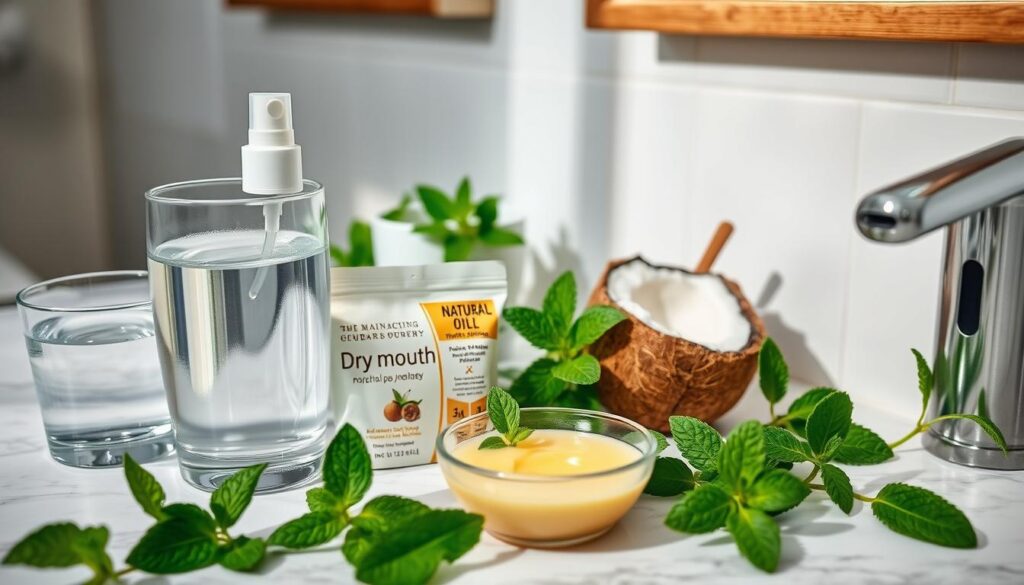
Dry mouth, or xerostomia, can make daily life tough. It affects your oral health too. But don’t worry! There are ways to find relief and feel better1.
Many people deal with dry mouth. It can be caused by medicines, medical treatments, or health problems. The National Institute of Dental and Craniofacial Research says it’s common1.
Learning about dry mouth is the first step to feeling better. There are many ways to fix it. You can make small changes or get help from a doctor2.
These options can help you get moisture back in your mouth. You’ll feel more comfortable in no time.
Key Takeaways
- Dry mouth affects millions of individuals worldwide
- Multiple treatment options are available
- Lifestyle changes can significantly improve symptoms
- Professional medical advice is recommended for persistent issues
- Hydration is key to managing dry mouth
Understanding Dry Mouth: Causes and Symptoms
Dry mouth, or xerostomia, is a tough condition affecting oral health and comfort. It happens when salivary glands don’t make enough saliva to keep your mouth moist3.
Common Causes of Dry Mouth
Many factors can lead to dry mouth, impacting dental health and comfort. Here are some key causes:
- Medications for depression, high blood pressure, and anxiety3
- Medical treatments like chemotherapy and radiation4
- Chronic health conditions such as diabetes and Sjogren’s syndrome4
- Lifestyle factors including smoking and alcohol consumption3
Recognizing the Symptoms
Spotting dry mouth signs early helps you find the right treatments. Look out for these common indicators:
- Sticky or dry feeling in your mouth
- Frequent thirst
- Difficulty speaking or swallowing
- Mouth sores or burning sensation
When to See a Doctor
Ongoing dry mouth can cause serious oral health problems. Consult a healthcare professional if symptoms disrupt daily life or last too long.
Quick action can stop potential dental issues and boost your life quality3.
“Your mouth’s moisture is crucial for overall oral health and comfort.”
Lifestyle Changes to Alleviate Dry Mouth
Dry mouth can impact your comfort and oral health. Simple lifestyle changes can help manage and reduce symptoms. By making smart choices, you can boost oral moisture and overall well-being.
Staying Hydrated: Your First Defense
Proper hydration is key in fighting dry mouth. Aim to drink 8 glasses of water daily. This helps maintain optimal moisture levels5.
Your body needs constant fluid intake for saliva production. It keeps your mouth comfortable6.
- Drink water regularly throughout the day
- Consume water-rich foods like watermelon and cucumbers6
- Use moisturizing mouth sprays to supplement hydration
Avoiding Dry Mouth Triggers
Some habits can worsen dry mouth symptoms. Caffeine, alcohol, and tobacco are main culprits7. Here are ways to minimize triggers:
- Reduce or eliminate caffeine intake
- Quit smoking and avoid tobacco products5
- Limit alcohol consumption
The Role of Diet in Managing Dry Mouth
Your diet affects dry mouth management. Eat foods that boost saliva production and oral health6:
| Food Category | Benefits |
|---|---|
| Leafy Greens | Support mucous membranes and hydration |
| Nuts | Stimulate saliva production |
| Sugar-free Gum | Increases saliva flow |
Stay proactive in managing your dry mouth by making informed lifestyle choices and using alcohol-free mouthwashes to support oral health.
Use moisturizing mouth sprays and alcohol-free mouthwashes in your oral care routine. These products offer extra relief and maintain a comfortable mouth environment.
Over-the-Counter Remedies for Dry Mouth
Dry mouth can be tough to handle. But don’t worry! Many over-the-counter solutions can help. These remedies moisten your mouth and ease discomfort quickly.
Saliva Substitutes: Your Moisture Allies
Saliva substitutes are great for managing dry mouth. They come in various forms to protect your oral health8.
Artificial saliva solutions include:
- Moisturizing gels
- Oral rinses
- Specialized sprays
- Convenient lozenges
Mouth Sprays and Gels for Instant Relief
Need quick moisture? Try mouth sprays and gels. Products with xylitol can boost saliva and offer comfort9. Look for sprays that provide lasting hydration.
Sugar-Free Lozenges: A Tasty Solution
Sugar-free lozenges help manage dry mouth effectively. They increase saliva flow and provide ongoing relief. Use xylitol lozenges 4-5 times daily for better oral moisture8.
| Product Type | Benefits | Frequency of Use |
|---|---|---|
| Saliva Substitutes | Lubricates mouth | As needed |
| Mouth Sprays | Instant moisture | 2-3 times daily |
| Sugar-Free Lozenges | Stimulates saliva | 4-5 times daily |
Talk to your doctor about the best dry mouth remedy for you9. They can help you choose the right option.
“Dry mouth relief is within reach with the right over-the-counter solutions.” – Oral Health Expert
Professional Treatments for Persistent Dry Mouth
Professional treatments are crucial when over-the-counter remedies don’t work. Your doctor may suggest prescription sialogogues to boost saliva production10. The FDA has approved two oral medications for dry mouth: pilocarpine and cevimeline hydrochloride10.
Doctors assess your medical history to find the root cause10. They might prescribe pilocarpine or cevimeline for at least three months10. Be aware that these medications can cause side effects like sweating and nausea10.
Advanced therapies for severe cases include acupuncture and special saliva stimulation devices. If your dry mouth stems from conditions like Sjögren’s disease or diabetes11, treatment will target these issues.
For more info on managing dry mouth, visit professional medical resources. These sites offer detailed advice on xerostomia remedies.
FAQ
What is dry mouth (xerostomia)?
Dry mouth is a condition where your mouth doesn’t produce enough saliva. It causes a dry, sticky feeling and can make speaking and eating difficult. This condition can lead to oral health problems if not addressed.
What are the main causes of dry mouth?
Medications like antihistamines and decongestants can cause dry mouth. Cancer treatments, medical conditions, and health treatments affecting salivary glands are also culprits. Aging, dehydration, and lifestyle factors can contribute to reduced saliva production too.
Can dry mouth be dangerous?
Untreated dry mouth can lead to serious oral health issues. It increases the risk of tooth decay, gum disease, and mouth infections. Chronic dry mouth can make speaking and eating difficult, affecting your quality of life.
How can I naturally improve my dry mouth symptoms?
Stay hydrated and use a humidifier to manage dry mouth. Chew sugar-free gum, avoid caffeine and alcohol, and breathe through your nose. Maintain good oral hygiene and add moisture to your diet.
Using saliva-stimulating products can also help ease symptoms.
What over-the-counter products can help with dry mouth?
Several products can provide relief for dry mouth. These include Biotene Dry Mouth Oral Balance Moisturizing Gel and Oasis Moisturizing Mouth Spray. Sugar-free lozenges and oral sprays with xylitol or carboxymethylcellulose can also help.
When should I see a doctor about my dry mouth?
See a doctor if dry mouth symptoms persist or worsen. Seek medical advice if you have ongoing bad breath, trouble swallowing, or mouth discomfort. A healthcare professional can rule out underlying conditions causing these issues.
Are there prescription treatments for dry mouth?
Yes, prescription treatments like pilocarpine can boost saliva production. Your doctor might adjust your current medications or address underlying health conditions. They may also suggest advanced therapies such as acupuncture or artificial saliva products.
Can lifestyle changes really help with dry mouth?
Yes, lifestyle changes can greatly improve dry mouth symptoms. Drink water often and avoid dehydrating substances. Use a humidifier, practice good oral hygiene, and choose moist foods.
Source Links
- Dry mouth treatment: Tips for controlling dry mouth – https://www.mayoclinic.org/diseases-conditions/dry-mouth/expert-answers/dry-mouth/faq-20058424
- Dry Mouth Remedies: 14 to Try – https://www.hopkinsmedicine.org/health/conditions-and-diseases/dry-mouth-remedies-14-to-try
- Dry mouth – Symptoms and causes – https://www.mayoclinic.org/diseases-conditions/dry-mouth/symptoms-causes/syc-20356048
- An Overview of Dry Mouth – https://www.webmd.com/oral-health/dental-health-dry-mouth
- Effective Dry Mouth Remedies and Management Tips – https://proclaimhealth.com/blogs/the-fresh-take/fix-dry-mouth?srsltid=AfmBOopgBYG7Yxm3C8QbYsNzcWh3mIIZ-F6oYhCyI_BEH-XrN3I2oYkz
- Beat Dry Mouth: Top 10 Foods for Relief & Hydration – https://cottlevillesmiles.com/dry-mouth-relief-the-ultimate-food-hydration-guide/
- 11 home remedies for dry mouth – https://www.medicalnewstoday.com/articles/327265
- Management of Dry Mouth : Johns Hopkins Sjögren’s Center – https://www.hopkinssjogrens.org/disease-information/treatment/management-of-dry-mouth/
- Dry mouth – Diagnosis and treatment – https://www.mayoclinic.org/diseases-conditions/dry-mouth/diagnosis-treatment/drc-20356052
- Xerostomia (Dry Mouth) – https://www.ada.org/resources/ada-library/oral-health-topics/xerostomia
- Dry Mouth – https://www.nidcr.nih.gov/health-info/dry-mouth

