
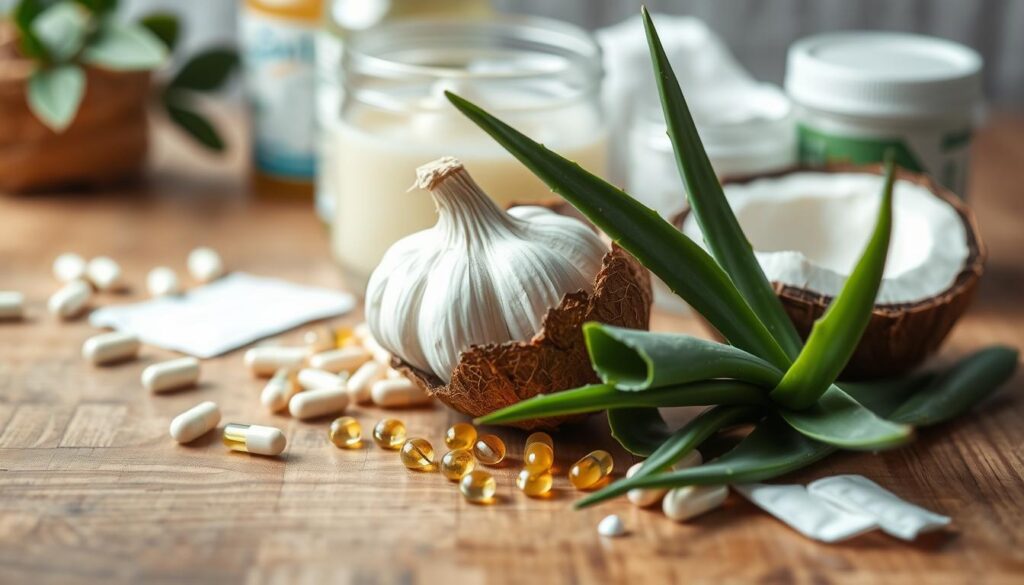
Yeast infections can be uncomfortable and disrupt daily life. They’re common fungal conditions affecting many women. Knowing your treatment choices is key to quick relief and prevention1.
Doctors now have new ways to treat Candida Albicans infections. The FDA approved two new medicines: oteseconazole (Vivjoa) and ibrexafungerp (Brexafemme)2. Short-course vaginal therapy with antifungal medication for 3-7 days is still common2.
Your treatment may change based on symptom severity. For tough cases, doctors might prescribe oral fluconazole (Diflucan)2. This is usually given as two doses, three days apart.
Recurring infections might need long-course vaginal therapy. This involves daily antifungal medication for up to two weeks2.
Key Takeaways
- Multiple treatment options exist for vaginal yeast infections
- FDA-approved medications provide targeted relief
- Short-course and long-course therapies are available
- Oral and topical treatments can effectively manage symptoms
- Consulting a healthcare professional ensures proper diagnosis
Understanding Vaginal Yeast Infections and Their Causes
Vaginal yeast infections are common health issues affecting many people. They happen when fungi, especially Candida Albicans, overgrow in the vaginal area3. Most females will have at least one yeast infection in their lifetime4.
Common Signs and Symptoms
Knowing yeast infection symptoms helps with quick treatment. Look out for these signs:
- Intense itching and irritation in the vaginal area
- Burning sensation during urination
- Thick, white discharge resembling cottage cheese
- Redness and swelling of the vulva
- Potential discomfort during sexual intercourse
Risk Factors and Triggers
Some factors can make you more likely to get a vaginal yeast infection3:
| Risk Factor | Impact |
|---|---|
| Antibiotic Use | Disrupts natural vaginal flora |
| Pregnancy | Hormonal changes increase infection risk |
| Diabetes | High blood sugar supports yeast growth |
| Weakened Immune System | Reduces ability to fight fungal overgrowth |
The Role of Candida Albicans
Candida Albicans is a yeast that lives naturally in the vagina. Under normal circumstances, it coexists harmlessly with other microorganisms. But some conditions can cause it to grow too much.
This overgrowth can lead to a vaginal yeast infection3. It’s important to maintain a healthy balance in your body.
Prevention is key: Wear breathable cotton underwear and avoid tight clothing to reduce infection risk3.
Yeast Infection Treatment: Medical Solutions and Prescriptions
Yeast infections are common, affecting 75% of women at some point. Antifungal medications offer quick relief for this challenging condition. Understanding your treatment options is crucial for effective management5.
Over-the-counter remedies provide trusted choices for treatment. These include Miconazole (Monistat 3), Clotrimazole, and Tioconazole.
- Miconazole (Monistat 3)
- Clotrimazole
- Tioconazole
Prescription treatments are necessary for persistent infections. Oral medications like fluconazole can tackle severe cases effectively5. New FDA-approved treatments have also emerged recently.
| Medication | Usage |
|---|---|
| Oteseconazole (Vivjoa) | Approved for postmenopausal individuals with recurring infections5 |
| Ibrexafungerp (Brexafemme) | Prescription antifungal for challenging infections |
Important note: Frequent yeast infections may signal underlying health issues. Consult your doctor if you have four or more infections yearly5.
Effective treatment isn’t just about medication – it’s about understanding your body’s unique needs.
Treatment duration varies from single-dose to multi-day regimens. Some patients might need long-term suppressive therapy for persistent infections6.
Natural and Home Remedies for Yeast Infections
Many women seek natural treatments for yeast infections. These can provide relief without harsh medications. Home remedies can help manage symptoms and support your body’s healing process.
Probiotic Supplements and Dietary Approaches
Probiotic supplements help restore vaginal flora balance. Studies show they significantly improve chronic yeast infections. Natural yogurt with live cultures can introduce beneficial bacteria into your system.
- Consume probiotic-rich foods like yogurt
- Take oral probiotic supplements
- Consider Lactobacillus spp. for targeted support7
Essential Oils and Alternative Treatments
Essential oils offer powerful antifungal properties. Oregano oil contains compounds that may inhibit Candida albicans growth. Tea tree oil works against yeast strains, even those resistant to traditional medications.
*Caution: Always dilute essential oils and consult a healthcare professional before internal use.*
Lifestyle Modifications for Relief
Managing yeast infections involves more than just treatments. Wear breathable cotton underwear and maintain proper hygiene. Avoid irritating products to prevent recurring infections.
Dietary changes and stress management can support your body’s natural defenses. These steps help create an environment less favorable for yeast growth.
| Natural Remedy | Potential Benefits |
|---|---|
| Coconut Oil | Antifungal properties against Candida8 |
| Garlic | Contains antifungal compounds7 |
| Apple Cider Vinegar | May help eliminate harmful microorganisms |
Home remedies can provide relief for yeast infections. However, persistent or severe symptoms require medical attention. Most yeast infection symptoms should improve within a week of treatment7.
Conclusion
Yeast infection prevention and treatment are vital for vaginal health. Up to 75% of women experience this issue at least once. Early detection and proper medical consultation can help manage these uncomfortable infections effectively910.
Your treatment should match your symptoms and health conditions. For mild to moderate cases, doctors suggest over-the-counter antifungal treatments lasting 1-7 days. Severe cases need professional medical guidance for comprehensive treatment options1110.
Prevention is key in managing yeast infections. Keep good hygiene, wear breathable clothes, and watch out for triggers like antibiotics or hormonal changes. Persistent infections may signal underlying health issues needing professional evaluation1011.
Stay informed and attentive to your body’s signals. This approach will help you tackle yeast infections and maintain overall well-being. Your proactive stance can make a significant difference in your vaginal health.
FAQ
What are the most common symptoms of a yeast infection?
Intense vaginal itching and burning are key signs. You may notice redness and thick, white discharge. Swelling and discomfort during urination or sex can also occur.
How quickly can I treat a yeast infection?
Treatment time depends on severity. Over-the-counter options like Monistat work in 1-3 days for mild cases. Prescription meds may be needed for tougher infections.
Are yeast infections contagious?
Yeast infections aren’t sexually transmitted, but they can spread between partners. The Candida albicans fungus can pass during intimate contact.
Can I prevent recurring yeast infections?
Wear breathable cotton underwear and avoid tight clothes. Manage blood sugar, take probiotics, and reduce sugar intake. Keep good hygiene habits.
For frequent infections, talk to your doctor about a management plan.
Are natural remedies effective for treating yeast infections?
Probiotics, coconut oil, and tea tree oil may help mild symptoms. But don’t replace medical treatment for moderate to severe infections.
Persistent or severe cases need professional medical care.
What increases my risk of developing a yeast infection?
Risk factors include antibiotics, uncontrolled diabetes, and pregnancy. A weak immune system, non-breathable clothing, and hormonal contraceptives also increase risk.
High stress levels can make you more susceptible too.
When should I see a healthcare professional about a yeast infection?
Seek help if it’s your first infection or symptoms are severe. See a doctor if you have four or more infections yearly.
Get checked if you have unusual discharge, fever, or if over-the-counter treatments don’t work.
Can men get yeast infections?
Yes, men can get yeast infections, though less often. These can occur on the penis, causing redness, itching, and discomfort.
Men with diabetes, weak immune systems, or recent antibiotic use are at higher risk.
Do diet and lifestyle impact yeast infections?
High sugar diets can promote Candida growth. Eat probiotic-rich foods like yogurt and manage stress. Get enough sleep and maintain good health to prevent infections.
Are boric acid suppositories safe for treating yeast infections?
Boric acid can help with recurring or resistant infections. Use only under medical supervision. They’re not safe during pregnancy or with open wounds.
Source Links
- Remedies for Yeast Infections – https://www.webmd.com/women/remedies-yeast-infections
- Yeast infection (vaginal) – Diagnosis and treatment – https://www.mayoclinic.org/diseases-conditions/yeast-infection/diagnosis-treatment/drc-20379004
- Yeast infection (vaginal) – Symptoms and causes – https://www.mayoclinic.org/diseases-conditions/yeast-infection/symptoms-causes/syc-20378999
- What Are Vaginal Yeast Infections? – https://www.webmd.com/women/understanding-vaginal-yeast-infection-basics
- Treating Yeast Infections – https://www.webmd.com/women/yeast-infection-treatments-prescription-drugs
- Vaginal Yeast Infection: Causes, Symptoms & Treatment – https://my.clevelandclinic.org/health/diseases/5019-vaginal-yeast-infection
- Home Remedies for Yeast Infections – https://www.verywellhealth.com/home-remedies-for-yeast-infections-5176162
- Eight home remedies for a yeast infection – https://www.medicalnewstoday.com/articles/317935
- Overview: Vaginal yeast infection (thrush) – InformedHealth.org – https://www.ncbi.nlm.nih.gov/books/NBK543220/
- Treatment of Recurrent Vulvovaginal Candidiasis – https://www.aafp.org/pubs/afp/issues/2000/0601/p3306.html
- How long does a yeast infection last? – https://www.medicalnewstoday.com/articles/321342

