
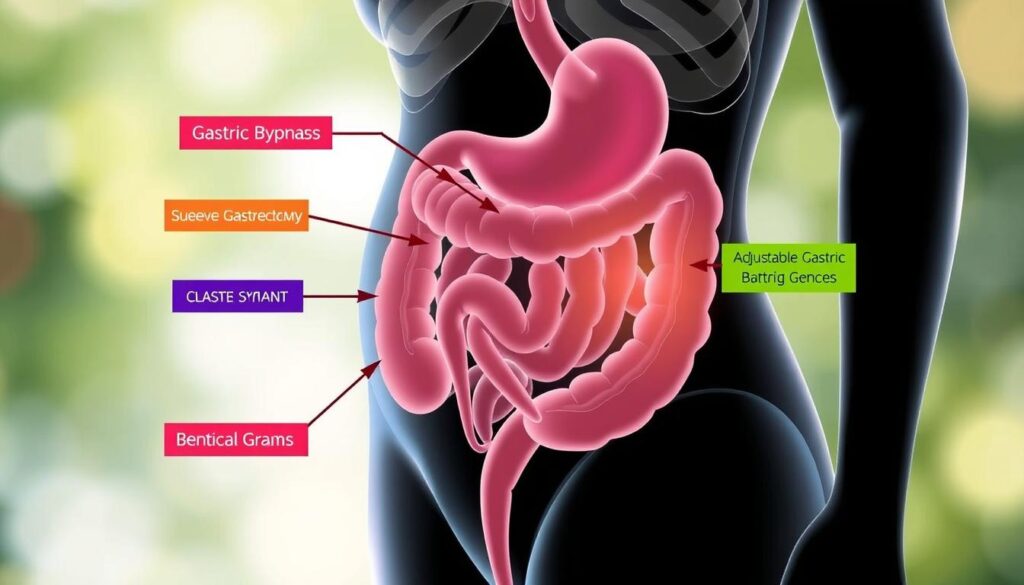
Struggling with weight loss? Bariatric surgery might be your answer. This metabolic procedure offers hope for those battling severe obesity1. It’s designed for people with a body mass index of 40 or higher1.
Weight loss procedures reshape your body’s relationship with food and metabolism. They go beyond simple diets. Bariatric surgery helps you reclaim your health and improve your life quality1.
Various surgical approaches exist to help achieve weight loss goals. Some limit food intake, while others modify digestive pathways1. Each technique targets weight management differently, offering personalized solutions.
Key Takeaways
- Bariatric surgery provides an effective solution for severe obesity
- Multiple surgical options exist for weight management
- Surgery can improve overall health beyond weight loss
- Candidates typically have a BMI of 40 or higher
- Long-term lifestyle changes are crucial for success
Understanding Weight-Loss Surgery: Types and Benefits
Weight-loss surgery helps people with severe obesity. These procedures can change your health and life quality. They address weight issues through different surgical methods2.
Several weight reduction surgery options exist. Each aims to help you lose weight and improve health. Common procedures include Roux-en-Y gastric bypass, laparoscopic sleeve gastrectomy, and biliopancreatic diversion with duodenal switch3.
Gastric Bypass Surgery: The Gold Standard
Roux-en-Y gastric bypass is a top weight-loss procedure. It creates a small stomach pouch and reroutes part of the small intestine4.
Patients can lose about 70% of their excess body weight. This makes it very effective for big weight loss4.
- Reduces stomach size dramatically
- Limits food intake and absorption
- Improves obesity-related health conditions
Sleeve Gastrectomy: A Modern Solution
Laparoscopic sleeve gastrectomy is now the most common bariatric surgery in the US4. It removes about 80% of the stomach.
This creates a banana-shaped “sleeve” that limits food intake3.
| Procedure | Weight Loss | Complexity |
|---|---|---|
| Gastric Bypass | 70% of excess weight | High |
| Sleeve Gastrectomy | 50-60% of excess weight | Moderate |
Biliopancreatic Diversion with Duodenal Switch
BPD/DS is an advanced malabsorptive weight-loss surgery. It combines stomach reduction with intestinal rerouting. This can lead to about 80% weight loss4.
Patients should know about possible nutrition issues with this method3.
“Choosing the right weight-loss surgery is a personal journey that requires careful consideration and professional medical guidance.”
Learn about these surgical options to start your weight loss journey. Talk to a bariatric surgeon to find the best procedure for you2.
Preparing for Your Weight-Loss Surgery Journey
Bariatric surgery preparation is more than just a medical procedure. It’s a comprehensive process to ensure you’re ready for transformation. Your journey starts with a detailed pre-operative assessment5.
The preparation process includes several key steps:
- Comprehensive medical evaluations
- Psychological readiness screening
- Nutritional counseling
- Lifestyle changes planning
Medical clearance is vital before surgery. Your healthcare team will run tests to check if your body can handle the procedure6. These include:
- Blood work analysis
- Cardiovascular assessments
- Imaging studies
Lifestyle changes are crucial for your surgical journey. You’ll need to change your diet and start exercising regularly5. Start with gentle activities and slowly increase the intensity6.
“Success in weight-loss surgery is 20% the procedure and 80% your commitment to change.”
Your prep may include support groups and classes. These help you build a strong mental framework for your health journey6.
Remember, your dedication to lifestyle changes is key to long-term success after surgery5.
Conclusion
Weight-loss surgery is a powerful obesity treatment. It goes beyond traditional approaches, offering a comprehensive solution for severe obesity. Patients typically lose 10-35% of their total body weight within two to three years after surgery7.
Long-term weight loss can be significant with commitment to lifestyle changes. Your dedication to medical guidance is crucial for success8. The journey continues long after the surgery itself.
Successful outcomes depend on post-surgical care and lifestyle modifications. Procedures like Roux-en-Y gastric bypass and sleeve gastrectomy help with weight loss. They can also improve obesity-related health conditions7.
Bariatric surgery can lead to diabetes remission rates of 23-60%. This offers hope for overall health improvement8. However, it’s not a guaranteed permanent solution.
Some patients may regain 5-10% of total body weight in the first decade8. Success depends on choosing the right procedure and working with healthcare professionals. Maintaining a committed approach to your health is essential.
Regular follow-ups and nutritional counseling are key. Ongoing support helps achieve and maintain weight loss goals. Your dedication shapes the long-term success of your weight loss journey.
FAQ
Who is a good candidate for weight-loss surgery?
Weight-loss surgery might be right for you if your BMI is 40 or higher. It’s also an option if your BMI is 35-39.9 with obesity-related health issues. These include type 2 diabetes, high blood pressure, or sleep apnea.
Ideal candidates have tried diet and exercise without long-term success. They should be ready to make big lifestyle changes. Your doctor can help decide if you’re a good fit for this surgery.
What are the different types of weight-loss surgeries available?
There are several types of bariatric surgery procedures. These include gastric bypass, sleeve gastrectomy, and biliopancreatic diversion with duodenal switch (BPD/DS). Each method works differently to help you shed pounds.
Some limit food intake, while others reduce nutrient absorption. Some combine both approaches. Your surgeon will help you choose the best option for your health and goals.
How long is the recovery process after weight-loss surgery?
Recovery time varies by procedure, but most patients stay in the hospital for 2-3 days. Initial recovery takes about 2-4 weeks. During this time, you’ll follow a specific diet plan.
You’ll start with liquids, then move to soft foods, and finally solid foods. Full recovery usually happens within 4-6 weeks. Regular check-ups and lifestyle changes are key for long-term success.
What are the potential risks of bariatric surgery?
Like any major surgery, bariatric procedures have risks. These include infection, blood clots, and complications from anesthesia. Specific risks are acid reflux, stomach ulcers, and nutrient deficiencies.
However, for most patients, the benefits outweigh these risks. Significant weight loss and improved health often result from the surgery. Your doctor will discuss all risks with you beforehand.
Will my insurance cover weight-loss surgery?
Insurance coverage for weight-loss surgery varies widely. Many providers now see it as a necessary treatment for severe obesity. You’ll typically need to meet specific criteria to qualify.
These may include a certain BMI, documented weight-loss attempts, and obesity-related health issues. Check with your insurance provider for details. Get a pre-authorization before proceeding with surgery.
How much weight can I expect to lose after surgery?
Weight loss varies by person and surgical procedure. Gastric bypass patients often lose 60-80% of excess weight in the first year. Sleeve gastrectomy patients might lose 50-70%.
Biliopancreatic diversion with duodenal switch usually leads to the most weight loss. Long-term success depends on your commitment to lifestyle changes. Regular exercise and follow-up care are crucial.
What lifestyle changes will I need to make after surgery?
After surgery, you’ll need to make big, lifelong changes. These include following a strict diet plan and taking nutritional supplements. Regular exercise and medical check-ups are also important.
You’ll eat smaller portions and focus on nutrient-dense foods. Staying hydrated is key. Some foods may cause discomfort, so you’ll need to avoid them. Support groups can help you stay on track.
Source Links
- Understanding Bariatric Surgery: A Comprehensive Guide | The Surgical Clinic – https://thesurgicalclinics.com/understanding-bariatric-surgery-a-comprehensive-guide-to-your-weight-loss-journey/
- Bariatric surgery – Mayo Clinic – https://www.mayoclinic.org/tests-procedures/bariatric-surgery/about/pac-20394258
- Types of Weight-loss Surgery – NIDDK – https://www.niddk.nih.gov/health-information/weight-management/bariatric-surgery/types
- Bariatric (Weight Loss) Surgery: Types & Requirements – https://my.clevelandclinic.org/health/treatments/bariatric-surgery
- 10 Steps to Prepare for Weight Loss Surgery – https://www.templehealth.org/about/blog/how-to-prepare-for-bariatric-surgery-10-steps
- 6 Ways to Get Ready for Weight Loss Surgery – https://www.merithealthwesley.com/health-library/296
- Bariatric Surgery and Devices – Obesity Action Coalition – https://www.obesityaction.org/obesity-treatments/what-is-obesity-treatment/bariatric-surgery-and-devices/
- Outcomes of Bariatric Surgery – https://www.intechopen.com/chapters/82511

