
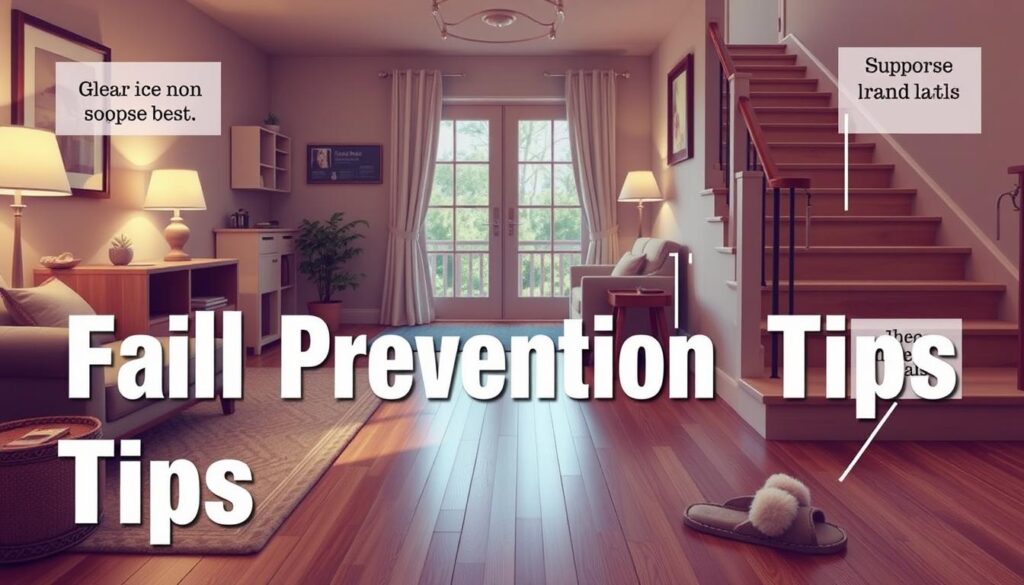
Falls are a serious risk, especially as we age. Over 60% of falls happen at home, making safety awareness vital1. By using smart prevention strategies, you can lower your injury risk and stay mobile.
Exercise is crucial for preventing falls among seniors. It builds muscle strength and improves balance1. Weight-bearing activities not only make you stronger but also slow down bone loss1.
Falls are more dangerous than many think. They cause 3 million emergency room visits each year2. One in five falls leads to serious injury, highlighting the need for safety measures2.
Key Takeaways
- Over 60% of falls happen at home
- Exercise improves muscle strength and balance
- Regular physical activity reduces fall risks
- Home modifications can prevent accidents
- Early prevention is key to maintaining independence
Understanding Fall Risks and Their Impact on Health
Falls are a major health concern for older adults. They can drastically change independence and life quality. Knowing the risks is key for effective fall prevention.
Over 25% of people 65 or older fall each year. This makes falls a big health challenge3. These events aren’t just accidents. They can seriously affect seniors’ well-being.
Common Causes of Falls
Several factors increase fall risks for older adults:
- Muscle weakness and reduced coordination4
- Balance and mobility challenges4
- Chronic health conditions like diabetes and heart disease3
- Medication side effects causing dizziness3
Why Falls Become More Dangerous with Age
Aging makes your body more prone to fall-related injuries. Sarcopenia, the loss of muscle mass, creates big stability challenges3.
An investment in fall prevention is an investment in independence4.
| Risk Factor | Impact on Falls |
|---|---|
| Vision Problems | Increased tripping hazards |
| Muscle Weakness | Reduced ability to recover balance |
| Medication Side Effects | Higher likelihood of dizziness |
Preventing falls means knowing these risk factors. It’s about using targeted strategies to reduce risks. By tackling these issues head-on, you can boost your safety.
This proactive approach helps maintain your independence. It’s a smart way to protect your well-being as you age.
Essential Fall Prevention Tips for Daily Living
Fall safety starts with a secure living space. By making smart changes, you can reduce risks and stay independent5. Your home can become safer with a few key adjustments.
Watch out for potential dangers in your surroundings. Small changes can make a big difference in preventing accidents.
- Home Environment Assessment
- Remove clutter from walkways
- Secure loose rugs with non-slip tape
- Improve lighting in all living areas5
- Safety Equipment Installation
- Install grab bars in bathrooms
- Use non-slip mats in shower and kitchen
- Consider raised toilet seats for easier access6
Good footwear plays a big role in fall prevention. Wearing proper footwear with good traction helps you stay steady on your feet7. Pick shoes that fit well and have non-slip soles.
Take small, careful steps when moving around. Use handrails whenever they’re available for extra support.
“Prevention is always better than cure when it comes to fall risks.” – Aging Health Experts
Plan ahead for outdoor activities and watch for dangers. Check the weather and wear the right shoes. Use walking aids if you need them.
Staying active helps build strength, which is key to preventing falls5. Regular exercise can improve your balance and stability.
Maintaining Physical Health and Stability
Protecting yourself from falls requires a holistic approach to health and stability. Fall prevention isn’t just about avoiding accidents. It’s about maintaining your overall well-being and independence8.
Exercise and Balance Training
Regular exercise is key in reducing fall risks. Strength and balance training can significantly lower your chances of falling8. Here are some effective exercises:
- Sit-to-stand exercises to build leg strength8
- Walking routines to improve coordination
- Balance-focused movements to enhance stability8
“Always consult with a healthcare professional before starting any new exercise program”8.
Health Management Strategies
Managing your health is vital for fall prevention. Medication management is crucial, as taking five or more medications can increase fall risks8.
| Strategy | Impact on Fall Prevention |
|---|---|
| Regular medication review | Reduce side effects like dizziness |
| Vision and hearing tests | Improve sensory awareness9 |
| Home safety assessment | Eliminate environmental hazards9 |
Remember, proactive health management is your best defense against potential falls. Stay informed and active. Make your physical well-being a top priority9.
Conclusion
Fall prevention tips are crucial for maintaining health and independence as you age. Over 30% of people above 65 experience falls yearly, according to research. Your safety relies on addressing multiple risk factors10.
Senior fall prevention preserves your quality of life11. Regular exercise can lower fall risk by boosting strength and balance. Canes and walkers offer extra support for your daily activities.
Careful attention to medication interactions and health check-ups can help maintain stability. By using these strategies, you can greatly reduce your fall risk. About 10% of falls cause serious injuries, making prevention vital10.
Stay active, aware, and prioritize your health to enjoy life confidently. Keep learning and stay proactive in your fall prevention journey. Embrace tools and techniques that help maintain your mobility and independence.
With the right approach, you can minimize fall risks effectively. Continue living life on your own terms by implementing these safety measures.
FAQ
What are the most common causes of falls for seniors?
Falls can result from various factors like environmental hazards and muscle weakness. Poor lighting, loose rugs, and uneven surfaces often trigger falls. Vision problems and medication side effects can also increase fall risks significantly.
How can I make my home safer to prevent falls?
Install handrails in hallways and bathrooms to create a safer home environment. Improve lighting, secure loose rugs, and remove clutter from walkways. Add grab bars near toilets and showers, and ensure clear pathways.
Rearrange furniture to create wider walking spaces. Use non-slip mats and secure electrical cords to eliminate tripping hazards.
What types of exercises can help prevent falls?
Balance-focused exercises like yoga and tai chi can significantly reduce fall risks. Strength training improves muscle tone, while flexibility exercises enhance overall mobility. Low-impact activities such as walking and water aerobics are excellent options.
Always consult with a healthcare provider before starting any exercise program. They can help develop a plan tailored to your physical capabilities.
How often should seniors have fall risk assessments?
Annual fall risk assessments with your healthcare provider are recommended. These evaluations should check medication interactions, vision, balance, and overall physical health. More frequent assessments may be necessary if you’ve had previous falls.
What should I do immediately after a fall?
If you fall, stay calm and check for injuries. Call for help using a phone or emergency alert system. If you can’t get up, try to make yourself comfortable.
Have someone assess your injuries and seek medical attention. Even if you feel fine, some injuries might not be immediately apparent.
Can medications increase fall risks?
Yes, certain medications can increase fall risks. Sedatives and blood pressure medications may cause dizziness or drowsiness. Review your medications with your healthcare provider or pharmacist to understand potential side effects.
Explore alternatives if fall risks are significant. Your doctor can help adjust your medication plan.
What footwear is best for preventing falls?
Choose shoes with non-slip soles, good ankle support, and a comfortable fit. Avoid high heels, loose slippers, or shoes with smooth bottoms. Look for shoes with sturdy heel counters and low heels.
Consider consulting a podiatrist for personalized footwear recommendations. They can suggest options that suit your specific foot health and mobility needs.
How can technology help prevent falls?
Modern fall prevention technologies include medical alert systems and smart home sensors. Wearable devices with fall detection and smartphone apps can track balance and movement. Some systems automatically alert emergency contacts if a fall is detected.
These technologies provide an extra layer of safety and peace of mind for seniors.
Source Links
- Fall Prevention 101: Tips to Stay Safe and Healthy | Piedmont Home Care – https://piedmonthomecare.com/fall-prevention-101-tips-to-stay-safe-and-healthy/
- Fall Prevention 101: A Guide for Seniors & Families – https://www.comforcare.com/blog/fall-prevention-101-a-guide-for-seniors–families_ae297.html
- Falls and Fractures in Older Adults: Causes and Prevention – https://www.nia.nih.gov/health/falls-and-falls-prevention/falls-and-fractures-older-adults-causes-and-prevention
- Fall prevention: Simple tips to prevent falls – https://www.mayoclinic.org/healthy-lifestyle/healthy-aging/in-depth/fall-prevention/art-20047358
- Fall Preventions in Elderly: Essential Tips for Safety and Health – https://www.exer.ai/posts/fall-preventions-in-elderly
- Fall Prevention Tips That Save Lives – https://www.wakemed.org/blog/fall-prevention-tips-save-lives
- Essential Tips for Fall Prevention: Staying Safe as You Age – Island Health – https://islandhealth.org/essential-tips-for-fall-prevention-staying-safe-as-you-age/
- Fall Prevention: Balance and Strength Exercises for Older Adults – https://www.hopkinsmedicine.org/health/wellness-and-prevention/fall-prevention-exercises
- Tips for Fall Prevention – https://www.helpguide.org/aging/healthy-aging/fall-prevention
- Falls and Fall Prevention in Older Adults – StatPearls – https://www.ncbi.nlm.nih.gov/books/NBK560761/
- Falls In the Elderly: Simple Tips to Prevent Falls – VNA Health Group – https://vnahg.org/falls-in-the-elderly-simple-tips-to-prevent-falls/

