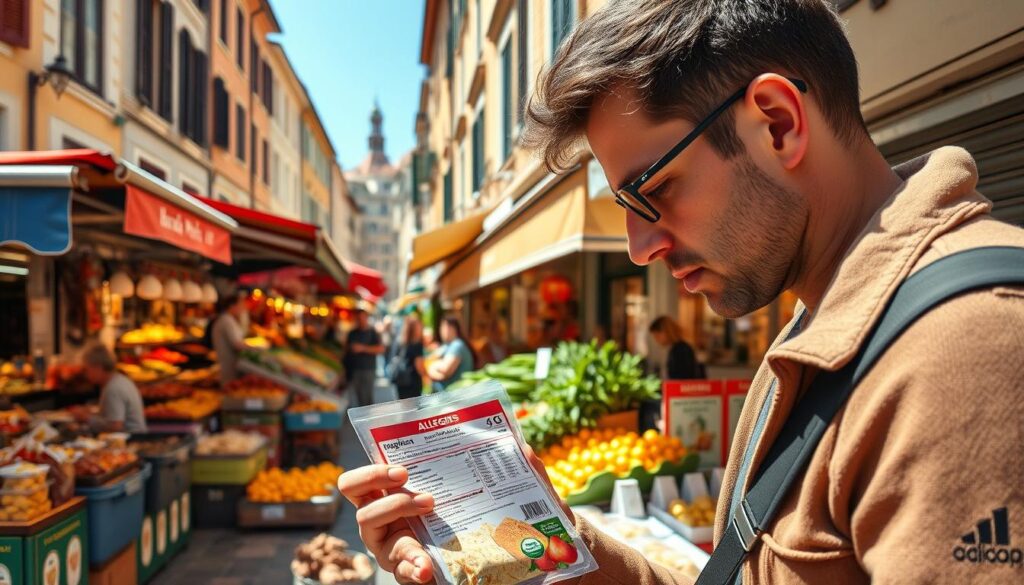
Traveling to Europe with food allergies can be daunting. But with the right prep, you can have a safe and fun trip. Millions worldwide deal with food allergies, making careful planning crucial1.
Many allergy sufferers change their travel plans. About 68% pick destinations based on their dietary needs1. Smart planning is key for a worry-free vacation.
Europe has strong rules to protect allergy sufferers. The European Union requires clear food labels. This helps you spot potential risks more easily2.
Your safety depends on knowing local food laws. Pack needed meds and plan how to communicate about your allergies. Bring translated allergy cards and extra epinephrine auto-injectors3.
Key Takeaways
- Research destination-specific food allergy regulations
- Carry multiple emergency medications
- Learn key phrases about your allergies in local languages
- Pack safe, personal snacks for travel
- Always have a detailed emergency action plan
Understanding Food Allergies and Their Impact
Food allergies are complex immune responses that can affect your health and daily life. Your body mistakes certain food proteins as harmful, triggering a defensive response. These reactions can range from mild to life-threatening4.
https://www.youtube.com/watch?v=AKVjKC3u9hk
What Are Food Allergies?
A food allergy is an immune system reaction after eating a specific food. Your body releases antibodies to fight what it sees as a threat. This causes various allergic reactions5.
Food allergies can develop at any age. However, they most often appear during childhood6.
Common Food Allergens in Europe
European regulations require clear labeling of 14 major food allergens. The most common food allergens include:
Symptoms of Food Allergies
Allergic reactions can show up in many ways, from mild to severe anaphylaxis. Possible signs include:
- Skin reactions like hives or itching
- Digestive problems
- Respiratory difficulties
- Swelling of throat or tongue
Severe allergic reactions require immediate medical attention and may necessitate epinephrine administration6.
Knowing your specific allergies is key to managing risks and avoiding danger. Always talk to healthcare professionals for thorough allergy testing and personal advice4.
Tips for Eating Out in Europe
Food allergies can make travel tricky. But with good prep, you can enjoy European food safely. Learn to read menus and share your needs for stress-free dining.
Communicating Your Allergies Effectively
Clear talk is your best defense when eating out. Get ready with these tips:
- Carry a translated chef card explaining your specific allergies7
- Learn key allergy-related vocabulary in the local language7
- Speak directly with restaurant staff about your dietary restrictions
Researching Allergy-Friendly Restaurants
Finding safe places to eat takes planning. Try these ways to spot allergy-friendly spots:
- Use specialized apps and websites to locate allergy-friendly establishments
- Research local restaurant policies on allergen information8
- Look for restaurants with clear food labeling practices8
Navigating Menus and Labels
European countries have rules for food allergen info:
| Country | Allergen Labeling Requirements |
|---|---|
| United Kingdom | Full ingredients labeling required8 |
| France | 14 allergens must be clearly labeled8 |
| Germany | Allergen information through menu symbols8 |
| Italy | Detailed allergen information on menus8 |
“Always look at menus ahead of time and use your senses to assess food safety”7
More tips for handling food allergies while traveling:
- Bring non-perishable snacks as a backup7
- Identify local safe dining options in advance
- Consider vegan restaurants for added safety7
Use these tips to explore European food with confidence. You can manage your allergies and enjoy your trip.
Preparing for Travel with Food Allergies
Planning is crucial for safe travel with food allergies. Start prepping weeks ahead by creating a detailed strategy. Consult an allergist to review your travel plans and medication needs9.
Pack medications in original containers with clear labels. Carry enough epinephrine auto-injectors and antihistamines in your carry-on bag10. Wear a medical ID bracelet and bring a medical release form for emergency treatment9.
Research local hospitals at your destination for potential allergic reactions. Ensure your travel insurance covers food allergy emergencies. Consider a comprehensive plan for robust protection.
Create a “chef card” explaining your allergies when dining out9. Comprehensive travel resources can help you navigate challenges while exploring new places.
Food allergies affect 8-11% of children and adults10. With careful planning and vigilance, you can enjoy your travels confidently.
FAQ
What are the most common food allergens in Europe?
Europe’s top food allergens are nuts, gluten, shellfish, and dairy. The EU FIC requires clear labeling for 14 specific allergens. This helps travelers and locals spot potential risks easily.
How can I communicate my food allergies when dining out in Europe?
Bring allergy translation cards in the local language. Talk directly to restaurant staff about your allergies. Research allergy-friendly eateries using apps like AllergyEats and TripAdvisor.
Ask detailed questions about ingredients and food prep. Explain your allergies to the chef or manager for extra safety.
What medications should I pack for traveling with food allergies?
Always pack your prescribed meds, including antihistamines and epinephrine auto-injectors. Bring a doctor’s note explaining your allergies and need for these medications.
Wear a medical ID bracelet for quick identification. Keep a list of emergency contacts and local hospital info handy.
Are European restaurants required to provide allergen information?
Yes, but rules vary by country. UK restaurants must give written allergen info. French eateries must inform customers about allergens in dishes.
German restaurants often use menu symbols or allergy cards. Italian places provide detailed allergen info through menus or booklets.
How can I minimize the risk of allergic reactions while traveling?
Study your destination’s food culture and pack safe snacks. Choose places to stay with kitchen facilities. Get comprehensive travel insurance for peace of mind.
Always have an emergency plan ready. Consider carrying the IFAAA travel plan document and your Food Allergy Emergency Care Plan.
What symptoms should I watch for with food allergies?
Food allergy symptoms range from mild (itching, hives) to severe (breathing trouble, anaphylaxis). Know your specific allergies and possible reactions.
Get medical help right away if you have severe symptoms. These include throat swelling, trouble breathing, or signs of anaphylactic shock.
Is street food safe for people with food allergies?
Be very careful with street food. It often has a higher risk of cross-contamination. There’s a greater chance of accidental exposure to allergens.
It’s safer to pick restaurants with clear allergen practices. Choose places with controlled food prep environments for your safety.
Source Links
- Food allergies on vacation- there and back again – https://pmc.ncbi.nlm.nih.gov/articles/PMC11618846/
- Germany With Food Allergies – Food Allergy Getaways – https://foodallergygetaways.com/blog/germany-with-food-allergies/
- Allergies and Travel | Travelers’ Health – https://wwwnc.cdc.gov/travel/page/allergies
- Food allergy – Symptoms and causes – https://www.mayoclinic.org/diseases-conditions/food-allergy/symptoms-causes/syc-20355095
- Food Allergies | Causes, Symptoms & Treatment | ACAAI Public Website – https://acaai.org/allergies/allergic-conditions/food/
- Understanding Food Allergies – https://newsinhealth.nih.gov/2017/03/understanding-food-allergies
- 9 Tips for Studying Abroad and Traveling with a Food Allergy | IES Abroad – https://www.iesabroad.org/news/9-tips-studying-abroad-and-traveling-food-allergy
- Traveling with Food Allergies: Preparing for Europe – Food Allergy Center for Treatment – https://treatfoodallergy.com/mfact/traveling-with-food-allergies-preparing-for-europe/
- Food Allergies and Travel (for Teens) – https://kidshealth.org/en/teens/travel-allergies.html
- Highly Allergic Travelers | CDC Yellow Book 2024 – https://wwwnc.cdc.gov/travel/yellowbook/2024/additional-considerations/highly-allergic-travelers