
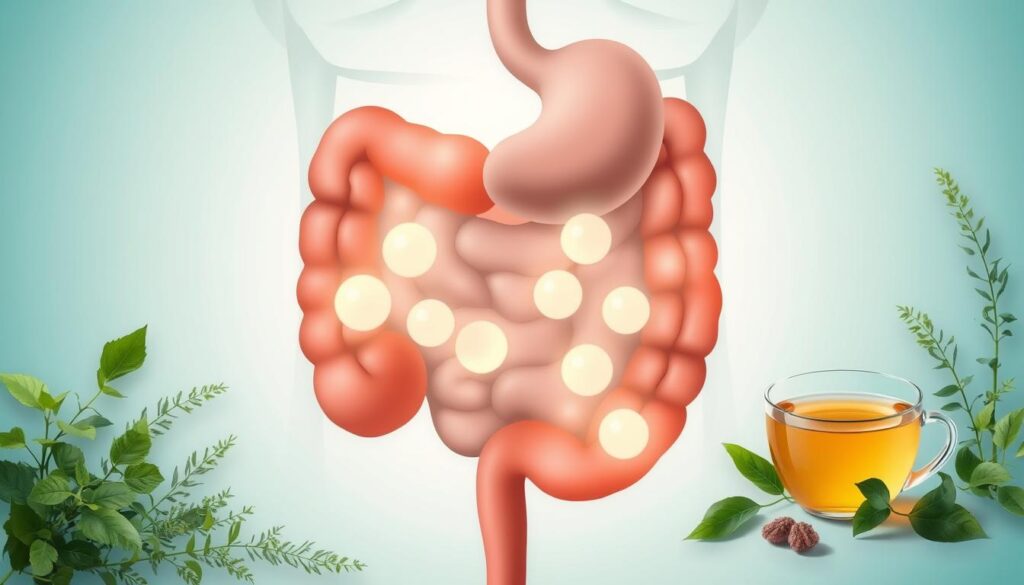
Gas and gas pains can make life uncomfortable. These digestive issues affect everyone, causing bloating and discomfort1. Learning about causes and relief strategies can help you manage symptoms better.
Gas and flatulence are normal bodily functions. But when excessive, they create significant discomfort. Your diet, lifestyle, and digestive system all contribute to gas production2.
Simple changes in diet and lifestyle can reduce gas. These adjustments can improve your overall digestive health2.
Key Takeaways
- Gas is a common digestive issue that everyone experiences
- Dietary choices significantly impact gas production
- Over-the-counter remedies can provide relief
- Regular exercise helps prevent gas buildup
- Identifying trigger foods can reduce symptoms
Understanding Gas and Gas Pains
Gas is a normal part of digestion, but it can cause discomfort. Most people make 1 to 4 pints of gas daily. They pass gas about 14 times a day.
Knowing the causes and symptoms can help manage belly pain. It can also help reduce belching.
What Causes Gas in Your Digestive System?
Your body makes gas in several ways. The main parts are carbon dioxide, oxygen, nitrogen, and hydrogen. Sometimes methane is present too.
Certain foods can lead to more gas:
- Beans and cruciferous vegetables
- Dairy products
- Foods high in poorly digestible carbohydrates
Some things can cause too much gas:
- Eating too quickly
- Chewing gum
- Drinking carbonated beverages
- Smoking cigarettes3
Common Symptoms of Gas Pains
Burping and belly discomfort are usual signs of gas issues. You might feel:
- Sharp abdominal pain
- Bloating
- Cramping
- Feeling of fullness
Risk Factors That May Increase Gas Production
About one-third of people make methane when breaking down certain undigested foods4. Some health issues can increase gas production.
Irritable bowel syndrome and certain medications can also lead to more gas3.
Passing gas 14 to 23 times daily is normal. It shouldn’t cause much worry4.
Knowing how your body makes gas can help you manage digestion better. It can also reduce uncomfortable symptoms.
Effective Home Remedies for Gas Relief
Natural remedies can help with intestinal discomfort. Gas is a common problem that many people face daily5. It can be uncomfortable and sometimes embarrassing.
Herbal Teas That Soothe Your Stomach
Herbal teas offer relief for digestive health. Peppermint, chamomile, and ginger are powerful natural remedies5. They may help ease intestinal discomfort.
- Peppermint oil capsules can help with bloating and trapped gas5
- Anise tea acts as a mild laxative5
- Clove oil traditionally supports digestive wellness5
The Benefits of Gentle Exercise
Movement can help manage gas effectively. Certain yoga poses and exercises can expel trapped gas5.
Foods to Avoid for Less Gas
Your diet affects your digestive health. Consider cutting back on these potential gas-producing foods:
| Food Category | Potential Gas Triggers |
|---|---|
| Dairy Products | Lactose-rich foods |
| Vegetables | Cruciferous vegetables |
| Supplements | Fiber supplements |
| Sweeteners | Artificial sweeteners |
When to Seek Medical Advice
Most gas issues are harmless. However, some symptoms need professional attention. Seek medical help if you experience:
- Persistent or severe pain
- Gas pain radiating to chest or sides6
- Unexplained weight loss
- Changes in bowel movements
Pro tip: Keep a food diary to identify your personal gas triggers. This can help manage your digestive health effectively.
It’s normal to pass gas up to 30 times per day5. Understanding your body and using natural remedies can improve your digestive comfort.
Preventing Gas and Discomfort
Smart diet and lifestyle choices can ease intestinal discomfort. Knowing how foods affect you helps reduce bloating and digestive issues. Most adults pass gas 13 to 21 times daily78.
Your eating habits greatly impact gas prevention. Slow eating and thorough chewing minimize air swallowing, reducing stomach gas8. Straws and fizzy drinks can increase gas production7.
Consider cutting out foods that cause digestive problems. Beans, lentils, and high-fiber veggies are common culprits78. Keeping a food journal helps identify your unique triggers.
Gentle exercise and sitting while eating can reduce gas issues8. Avoid chewing gum to further decrease discomfort. If problems persist, consult a doctor to check for underlying conditions.
FAQ
What exactly causes gas in my digestive system?
Gas is a natural result of your body breaking down food. It can come from bacteria processing fibers, sugars, and starches. Food intolerances, certain medications, and digestive issues can also cause gas.
Common gas-causing foods include high-fiber items, dairy products, and sugar substitutes. Your body might have trouble fully digesting these foods.
How can I tell if I’m experiencing gas pains?
Gas pains often feel like sharp, stabbing discomfort in your abdomen. You might also experience bloating, cramping, and a feeling of fullness or pressure.
Occasional belching or flatulence may occur with these symptoms. If these issues happen often or are intense, talk to a doctor.
What are some quick home remedies for gas relief?
Several natural remedies can help ease gas discomfort. Try drinking peppermint or ginger tea to soothe your stomach. Gentle movement and certain yoga poses can help release trapped gas.
Massaging your belly in a clockwise direction may provide relief. Staying hydrated is also important for easing gas problems.
Are there foods I should avoid to reduce gas?
Yes, some foods are more likely to cause gas. Try limiting high-fiber foods, dairy products, fizzy drinks, and artificial sweeteners. Beans, cruciferous veggies, and some fruits can also trigger gas.
Keep a food diary to identify your specific gas-causing foods. This can help you make better choices for your diet.
When should I be concerned about gas pains?
Occasional gas is normal, but persistent gas pains may need medical attention. Watch for other symptoms like unexplained weight loss or changes in bowel movements.
Blood in stool or severe belly pain are also red flags. These could point to conditions like IBS, Crohn’s disease, or food sensitivities.
How can I prevent excessive gas?
Eat slowly and chew your food well to prevent gas. Avoid drinking through straws and cut back on fizzy drinks. Managing stress and staying hydrated can also help.
Increase your physical activity and add high-fiber foods to your diet gradually. Eating smaller, more frequent meals can reduce gas production too.
Can over-the-counter medications help with gas?
Yes, some over-the-counter products can provide relief from gas and bloating. Simethicone-based items and activated charcoal can help break down gas bubbles and ease discomfort.
However, these are short-term solutions. It’s best to find and address the root cause of your gas problems.
Source Links
- How to Get Rid of Gas Pain – https://www.hopkinsmedicine.org/health/wellness-and-prevention/how-to-get-rid-of-gas-pain
- Gas and gas pains-Gas and gas pains – Diagnosis & treatment – Mayo Clinic – https://www.mayoclinic.org/diseases-conditions/gas-and-gas-pains/diagnosis-treatment/drc-20372714
- Gas – flatulence Information | Mount Sinai – https://www.mountsinai.org/health-library/symptoms/gas-flatulence
- Gas in the Digestive Tract – https://www.hopkinsmedicine.org/health/conditions-and-diseases/gas-in-the-digestive-tract
- How to get rid of gas pain fast: 20 natural home remedies – https://www.medicalnewstoday.com/articles/321504
- Trapped Gas: 9 remedies for relief – https://www.healthline.com/health/immediate-relief-for-trapped-gas-home-remedies-and-prevention-tips
- Gas and gas pains-Gas and gas pains – Symptoms & causes – Mayo Clinic – https://www.mayoclinic.org/diseases-conditions/gas-and-gas-pains/symptoms-causes/syc-20372709
- 10 Tips to Get Rid of Gas, Pains, and Bloating – https://www.healthline.com/health/digestive-health/get-rid-of-gas-pains-and-bloating

