
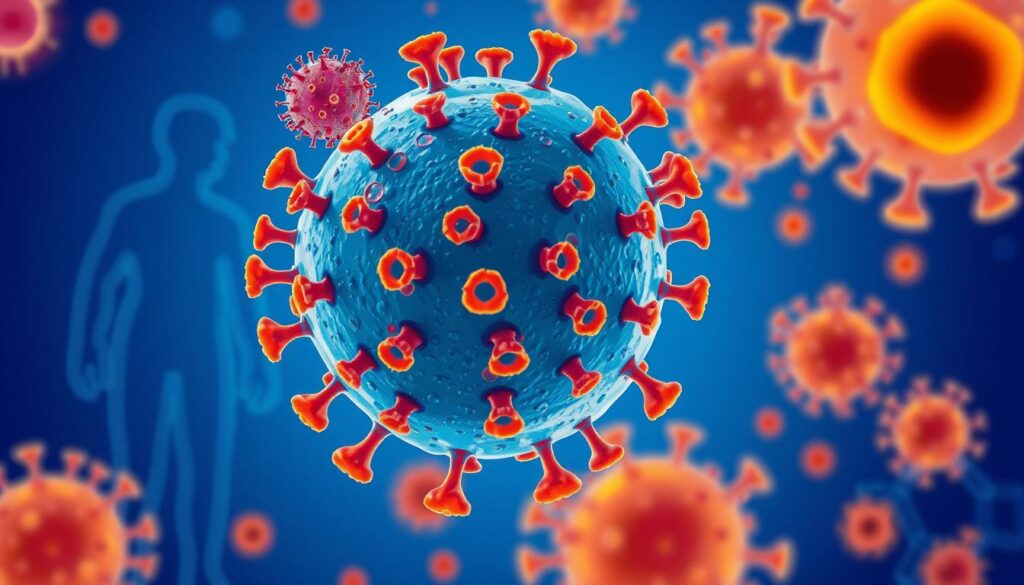
Hepatitis A is a viral infection that targets your liver. It spreads through contaminated food, water, or close contact with infected people1. Knowing how it spreads can help you avoid health risks.
Your risk of getting hepatitis A depends on sanitation and lifestyle. About 1.5 million cases occur globally each year1. People who use illegal drugs or work with primates have higher risks1.
The virus usually takes 14 to 28 days to show symptoms1. You might not know you’re infected during this time. Children under six often don’t show any signs1.
Common symptoms include jaundice, tiredness, and stomach pain. These signs point to the viral infection in your body.
Key Takeaways
- Hepatitis A is a highly contagious liver disease
- Transmission occurs through fecal-oral contact
- Vaccines are crucial for prevention
- Most individuals recover without permanent liver damage
- Proper hygiene reduces infection risks
Understanding Hepatitis A: Symptoms and Transmission
Hepatitis A is a serious foodborne illness that affects travelers and locals. It’s crucial to know its symptoms and how it spreads to protect your health.
Common Signs and Symptoms
Hepatitis A symptoms can vary in severity. You might experience fever, fatigue, loss of appetite, and nausea. Abdominal pain, dark urine, and clay-colored stools are also common signs.
Joint pain and jaundice (yellowing of skin and eyes) may occur. Symptoms differ between individuals. Most children under 6 show no symptoms, while adults have more noticeable signs2.
About 10% of infected children develop jaundice2.
How the Virus Spreads
Hepatitis A spreads through the fecal-oral route. You can get it by eating contaminated food or water. Close physical contact with an infected person can also spread the virus.
Sexual contact, especially oral-anal interactions, is another way it spreads.
The virus can live on surfaces for months3. In 2022, people aged 30-49 were most affected, making up 49% of reported cases4.
“Prevention is always better than cure when it comes to viral hepatitis.”
Risk factors include travel to areas with poor sanitation and contact with infected people. Eating contaminated food or water also increases risk. The virus typically takes 14 to 28 days to show symptoms2.
Prevention Strategies and Vaccination Guidelines
Hepatitis A prevention requires vaccination and good hygiene. The hepatitis A vaccine is the best defense against this viral infection. It protects both children and adults effectively5.
Vaccination needs vary by age and risk factors. Children aged 12-23 months should get the hepatitis A vaccine during routine immunizations5. Some groups have higher risks and need vaccination more:
- International travelers
- Men who have sex with men
- People who use drugs
- Individuals with chronic liver disease
- Healthcare workers
Take extra care when visiting areas with high hepatitis A rates. Travelers may need two or three shots for full protection5. The vaccine usually comes in two doses, six months apart6.
“Prevention is always better than cure” – especially when it comes to hepatitis A
Good hygiene helps prevent hepatitis A spread. Thorough handwashing is one of the best ways to stop the virus6. After exposure, getting a vaccine or immune globulin within two weeks can prevent infection6.
The hepatitis A vaccine is safe and works well, even for people with weak immune systems5. Side effects are usually mild, like slight soreness where the shot was given5.
Talk to your doctor about the best vaccination plan for you. They’ll consider your risk factors and medical history7.
Conclusion
Understanding hepatitis A is vital for liver health. Global efforts have reduced this viral infection’s impact8. The drop in hepatitis A cases shows effective public health measures and vaccinations9.
Your prevention approach is key in fighting viral hepatitis. Vaccination is the best defense, especially for high-risk groups. It can greatly lower your risk, which is important since hospitalization rates can reach 22%10.
Getting vaccinated protects you and helps community health9. Hepatitis A doesn’t cause chronic liver disease but can affect your daily life. Its symptoms, like fever and malaise, can be tough to manage8.
Stay informed and take steps like good hygiene to reduce infection risk. Your health involves both personal care and public health strategies. Awareness, timely vaccination, and knowing transmission routes are crucial.
Keep learning about hepatitis A. Protect yourself and prioritize your liver health. Together, we can lessen the global impact of this disease.
FAQ
What is Hepatitis A?
Hepatitis A is a contagious viral liver infection. It’s caused by the hepatitis A virus (HAV) and leads to liver inflammation. The virus spreads through contaminated food, water, or close contact with infected individuals.
Unlike other hepatitis viruses, it doesn’t cause chronic liver disease. However, it can still cause significant discomfort and health issues.
How is Hepatitis A transmitted?
The virus spreads mainly through the fecal-oral route. You can get infected by eating food or drinking water contaminated with infected feces. Close physical contact, including sexual contact, can also spread the virus.
The virus can survive on surfaces for months. This makes proper hygiene crucial for prevention.
What are the main symptoms of Hepatitis A?
Common symptoms include fever, fatigue, loss of appetite, nausea, and vomiting. Abdominal pain, dark urine, clay-colored stools, joint pain, and jaundice are also typical. Symptoms can range from mild to severe.
Some people, especially young children, may have no symptoms at all. Symptoms usually appear 14-28 days after infection and can last for weeks or months.
Who is at highest risk for Hepatitis A?
High-risk groups include travelers to areas with poor sanitation and those in close contact with infected individuals. People consuming contaminated food or water are also at risk. Men who have sex with men and drug users face higher risks.
Individuals with chronic liver diseases should be cautious. International travelers should consider vaccination before visiting high-risk regions.
How can Hepatitis A be prevented?
Prevention focuses on vaccination, improved sanitation, and good personal hygiene. The CDC recommends the Hepatitis A vaccine for all children at age 1 and high-risk groups.
When traveling, drink bottled water and avoid raw or undercooked foods. Practice thorough handwashing. The vaccine is typically given in two shots, with a booster after six months.
Is there a treatment for Hepatitis A?
There’s no specific antiviral treatment for Hepatitis A. Most people recover completely without permanent liver damage. Treatment involves rest, good nutrition, and managing symptoms.
In rare severe cases, hospitalization might be necessary. Post-exposure prophylaxis within two weeks of exposure can help prevent infection.
How long does Hepatitis A last?
The illness typically lasts a few weeks to several months. Most people recover completely within 2 months, with no long-term liver damage.
Some individuals may experience symptoms for an extended period. Recovery depends on health, age, and overall immune system strength.
Can Hepatitis A be chronic?
No, Hepatitis A is an acute infection and doesn’t become a chronic liver disease. Unlike Hepatitis B or C, the virus doesn’t persist in the body long-term.
Most people fully recover and develop immunity after infection. This means they won’t get the disease again.
Source Links
- Hepatitis A: Symptoms, Causes, Treatment, and Prevention – https://www.healthline.com/health/hepatitis-a
- Hepatitis A – https://www.who.int/news-room/fact-sheets/detail/hepatitis-a
- Hepatitis A – Symptoms and causes – https://www.mayoclinic.org/diseases-conditions/hepatitis-a/symptoms-causes/syc-20367007
- Hepatitis A Basics – https://www.cdc.gov/hepatitis-a/about/index.html
- Hepatitis A Vaccine – https://www.cdc.gov/hepatitis-a/vaccination/index.html
- Hepatitis A Prevention and Control – https://www.cdc.gov/hepatitis-a/prevention/index.html
- Hepatitis A Virus Prevention and Vaccination Within and Outside the Veterans Health Administration in Light of Recent Outbreaks – https://pmc.ncbi.nlm.nih.gov/articles/PMC6375401/
- Natural History, Clinical Manifestations, and Pathogenesis of Hepatitis A – https://pmc.ncbi.nlm.nih.gov/articles/PMC6120688/
- Prevention of Hepatitis A Virus Infection in the United States… – https://www.cdc.gov/mmwr/volumes/69/rr/rr6905a1.htm
- Progress Toward Eliminating Hepatitis A Disease in the United States – https://www.cdc.gov/mmwr/volumes/65/su/su6501a6.htm

