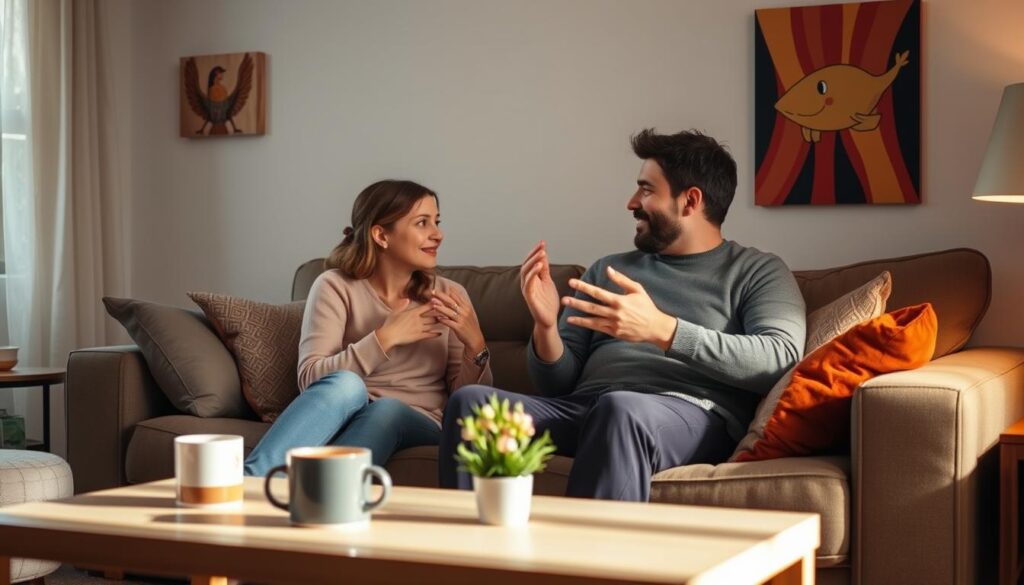
Culture deeply influences our views on sex and relationships. Your background shapes how you see intimacy and gender roles. Laws and beliefs also affect sexual norms in different communities.
Cultural values create guidelines for acceptable sexual behaviors. Some societies are conservative, while others are more open. Scandinavian countries, for example, are more accepting of premarital sex.
Religious beliefs greatly impact sexual attitudes. They can set rules for sexual activity and define relationship boundaries. These values also establish moral standards for intimate interactions.
Understanding diverse cultural attitudes helps us navigate relationships worldwide. It shows how people view sex differently across cultures.
Key Takeaways
- Culture fundamentally shapes sexual perspectives and relationship norms
- Religious beliefs significantly influence sexual attitudes
- Societal practices vary widely across different regions
- Sexual education and awareness differ dramatically between cultures
- Legal frameworks impact sexual rights and relationship dynamics
Understanding Cultural Attitudes
Cultural attitudes are invisible threads weaving through human interaction. They shape how we see relationships, sexuality, and social connections. Understanding these attitudes can unlock deeper insights into human behavior across societies.
Social behaviors are deeply rooted in specific cultural contexts. Cultural perception influences how people interpret and respond to social interactions. Betancourt defined culture as a complex pattern of learned beliefs, values, and behaviors shared within a group1.
This includes language, communication styles, and views on relationships. Cultural understanding helps navigate diverse social landscapes with sensitivity1.
Defining Cultural Attitudes
Cultural attitudes emerge from family traditions, community practices, historical experiences, and religious beliefs. These attitudes shape how people interpret social norms and personal interactions.
Cultural intelligence allows individuals to navigate diverse social landscapes with sensitivity and understanding1.
The Impact of Culture on Behavior
Your cultural background profoundly influences your behavior and decision-making processes. Deardorff stressed that cross-cultural attitudes require acceptance of differences, flexibility, and sensitivity1.
Cultural competence enables more effective communication between individuals from different backgrounds1. It helps bridge gaps and foster understanding.
“Culture is the collective programming of the human mind that distinguishes the members of one human group from another.” – Geert Hofstede
Grasping these nuanced cultural attitudes helps appreciate the rich diversity of human experiences. It opens doors to better connections and mutual respect.
Historical Perspectives on Sex
Human sexuality’s rich history reveals fascinating insights into cultural influences on intimate relationships. Sexual norms have changed dramatically from ancient times to today. These changes reflect shifts in societal attitudes and beliefs.
Scholarly research and anthropology have deepened our understanding of sexuality. Swiss jurist Johann Bachofen traced the evolution from promiscuity to monogamy2. Evolutionary biology suggests human sexual behaviors developed during the Pleistocene epoch2.
These ancient adaptations continue to influence our intimate interactions today. They shape how we form relationships and express our sexuality.
Sexuality in Ancient Civilizations
Different cultures approached sexuality with unique perspectives:
- Native American tribes demonstrated diverse gender expressions and marriage customs2
- Indian ancient texts like the Vedas explored moral perspectives on sexuality2
- Chinese philosophical texts described sexual intercourse in cosmological contexts2
Evolution of Sexual Norms
Sexual attitudes have changed dramatically over time. Researchers identified a “neosexual revolution” in the 1980s and 1990s3. This shift broke traditional sexual patterns and created new forms of intimate relationships.
Influence of Religion
Religious institutions have played crucial roles in defining sexual boundaries. They’ve regulated sexual activity and assigned moral values to specific behaviors. This has greatly impacted cultural stereotypes surrounding intimacy.
“Sexuality is a complex landscape shaped by cultural, social, and historical forces.” – Contemporary Sexual Anthropology Research
| Civilization | Sexual Characteristic |
|---|---|
| India | Fertility rituals, philosophical exploration |
| China | Cosmological sexual perspectives |
| Native American | Diverse gender expressions |
Exploring historical sexual perspectives helps us grasp the complexity of human intimacy. It shows how cultural mindsets shape our understanding of relationships. This knowledge enriches our view of human sexuality across time and cultures.
Regional Variations in Attitudes
Sexual attitudes form a complex tapestry of cultural perspectives worldwide. These societal norms reveal intricate patterns of human interaction. Understanding these differences sheds light on diverse social expectations.
A large international study explored cultural attitudes toward sexuality and relationships. It involved 3,797 college students from 19 countries. This research provided unique insights into global sexual perspectives4.
Western Cultural Perspectives
Western cultures often show more liberal approaches to sexuality. They prioritize individual expression and personal freedom in relationships. These societies encourage open discussions about sexual health.
Western cultures also accept premarital relationships more readily. They emphasize personal consent and individual choice in romantic matters.
- More open discussions about sexual health
- Greater acceptance of premarital relationships
- Emphasis on personal consent and individual choice
Eastern Relationship Dynamics
Eastern cultures frequently stress family values and maintain conservative sexual attitudes. The study revealed fascinating variations in relationship approaches across different societies4.
- Stronger focus on familial approval
- More structured courtship processes
- Higher value placed on long-term commitment
Middle Eastern Cultural Perspectives
Middle Eastern societies often blend religious traditions with their views on sexuality and relationships. These cultures typically have strict gender role expectations. They also emphasize preserving family honor.
- Strict gender role expectations
- Emphasis on preserving family honor
- More regulated courtship practices
“Cultural attitudes toward sexuality are not universal but deeply rooted in specific social and historical contexts.”
The study showed significant differences in attitudes across countries. For example, female representation ranged from 36.6% in Japan to 90% in England4. These variations highlight the complexity of global sexual perspectives.
Gender Roles and Their Influence
Gender roles shape our cultural attitudes and social behaviors. They define how we understand relationships and interactions. These dynamics affect individual experiences across different societies.
Children learn about gender expectations very early. By ages two or three, they start forming ideas about gender roles. Most kids deeply internalize these roles by four or five years old5.
This early socialization impacts how people see themselves and others. It influences their perceptions throughout their lives.
Traditional Gender Role Patterns
Traditional gender roles create distinct expectations for men and women. These expectations span various areas of life.
- Professional spheres show clear gender segregation5:
- Men dominate fields like law enforcement and politics
- Women predominantly occupy care-related professions
- Stereotypes consistently portray males as more active and stronger5
- Cultural perceptions shape how these roles are interpreted
Evolving Societal Expectations
Modern societies are challenging traditional gender constructs. Research shows rigid gender norms can harm mental health and social development6.
Boys might struggle with emotional expression due to masculine stereotypes. Girls may face limits in leadership opportunities6.
“Gender roles are learned, not inherent. They can be unlearned and reimagined.”
Social learning theory explains how we develop gender schemas. We learn through observation and imitation5. This means you can actively challenge and reshape your views on gender roles.
Understanding diverse gender expressions is crucial. It helps create inclusive social behaviors as society moves forward.
The Role of Education
Education shapes cultural beliefs and sexual health understanding across societies. Your community’s educational approaches influence your knowledge about relationships. These approaches impact how you view and navigate intimate connections7.
Sexual education practices vary worldwide. Some countries offer comprehensive programs. Others take a more conservative approach to discussing sexuality8.
Sexual Education Worldwide
Regions develop unique sexual education strategies. These reflect their cultural beliefs and values.
- Nordic countries offer early, age-appropriate sexual health education
- Conservative regions often limit discussions about sexual topics
- Developed nations tend to provide more comprehensive programs
Educational Impact on Attitudes
Education changes how people view relationships and sexual health. Schools can help students develop healthy, respectful approaches to intimacy. They do this by providing accurate information7.
“Knowledge is the most powerful tool in understanding human relationships”
Educational approaches reflect broader cultural practices. Educators now focus on creating inclusive, informative environments. They aim to respect different perspectives on sexuality8.
The quality of sexual education shapes your understanding of relationships. Cultural beliefs play a big role in these educational experiences7.
Media Influence on Sexual Norms
Media shapes our views on sex and relationships. Movies, TV, and ads affect how we see intimacy. These sources impact our understanding of romantic connections.
TV and films explore sexual attitudes in depth. Teen viewers see 143 sexual incidents weekly during prime time9. These often show idealized or exaggerated versions of relationships.
Portrayals of Sex in Media
Media content shows interesting patterns in sexual representation:
- Sexual interactions between unmarried partners occur three to four times more frequently than between spouses on television9
- Approximately 80% of movies contain sexual content9
- 60% of music videos display sexually suggestive imagery9
Advertising and Relationship Dynamics
Ads often use sexy images to sell products. This can strengthen stereotypes about attractiveness. Young people are easily swayed by these media stories.
“Media doesn’t just reflect culture—it actively shapes our understanding of relationships.” – Media Research Institute
Research shows differences in how people consume and interpret media. Women tend to analyze media more critically. They often recognize diverse relationship dynamics10.
| Media Platform | Sexual Content Percentage |
|---|---|
| Network Television | 80% |
| Music Videos | 60% |
| Cable Television | 75% |
Knowing media’s influence helps you view sexual stories more critically. You can better understand how relationships are shown in media.
The Impact of Technology
Technology has changed how people connect and experience relationships. The digital world has transformed social behaviors and cultural mindsets11. With 6.84 billion smartphones globally, digital platforms are now key to forming romantic connections11.
Online Dating Trends
Online dating is now a powerful way to meet potential partners. It allows people to explore relationships beyond their local area. Nearly 4.9 billion people use social media worldwide11.
This creates new chances for cross-cultural interactions. People can now connect with partners from diverse backgrounds. This challenges traditional relationship norms12.
- Increased global connectivity
- Broader relationship opportunities
- Enhanced cultural understanding
Social Media’s Role in Relationships
Social media platforms change how people present themselves romantically. Digital communication is now key in modern relationship dynamics. Technology shapes social behaviors by offering many ways to connect12.
Technology has transformed romantic interactions, making connections more accessible yet complex.
| Technology Impact | Relationship Dynamics |
|---|---|
| Global Connectivity | Expanded Partner Selection |
| Digital Communication | Instant Interaction |
| Social Media Platforms | Cultural Exchange |
Technology offers great chances but also brings challenges. Risks include privacy concerns, cyberbullying, and possible miscommunication12. Understanding these issues helps navigate the complex digital relationship world.
Family Dynamics and Attitudes
Your family shapes your views on sex and relationships. Cultural values guide how families discuss these sensitive topics13.
Parenting Styles and Sexual Understanding
Parenting approaches affect children’s sexual awareness. Families pass on cultural practices through their communication styles. This sets the foundation for understanding relationships14.
Open talks create healthier views. Restrictive environments can lead to misunderstandings about sex and relationships.
- Communication styles vary across cultural contexts
- Parental openness influences sexual education
- Family norms shape individual relationship attitudes
Sibling and Peer Influences
Siblings and peers greatly impact sexual attitude formation. Young people often learn about relationships through family and friends15.
| Family Influence Factor | Impact on Sexual Attitudes |
|---|---|
| Parental Communication | Direct knowledge transfer |
| Sibling Interactions | Informal learning environment |
| Peer Networks | Social norm establishment |
“Family is the first school of human values” – Pope John Paul II
These dynamics show how cultural values and cultural practices shape sexual attitudes. They influence individuals across generations13.
Changing Attitudes Among Generations
The landscape of relationships and cultural attitudes is always changing. Young adults today approach connections differently from their predecessors. They’re reshaping social expectations and personal interactions.
Generational shifts reveal fascinating insights into changing cultural attitudes. Millennials and Generation Z are at the forefront of social change. They challenge traditional relationship paradigms and embrace more inclusive perspectives.
Millennial Perspectives on Relationships
Millennials are reshaping societal norms in diverse and dynamic ways. Their demographic makeup reflects significant cultural diversity. Only 59% identify as non-Hispanic whites16.
This generation shows remarkable openness to social change. They support interracial dating more than previous generations. 69% believe newcomers strengthen American society16.
Only 23% of Millennials are married by age 18-30. This is a stark contrast to previous generations16.
- They are more supportive of interracial dating16
- 69% believe newcomers strengthen American society16
- Only 23% are married by age 18-30, compared to previous generations16
Generational Shifts in Social Values
Cultural attitudes are changing, especially regarding social issues. Support for same-sex marriage increased from 36% to 55% between 2005 and 201517. Millennials lead this change.
59% of Millennials support gay marriage. This is compared to just 33% of older generations16.
| Generation | Social Attitude Characteristics |
|---|---|
| Millennials | Most progressive, diverse, technologically integrated |
| Generation X | Transitional generation with emerging progressive views |
| Baby Boomers | More traditional, slower to adopt social changes |
“Each generation reimagines relationships through their unique cultural lens.” – Contemporary Social Research
Generational differences show how cultural attitudes shape our social landscape. These changes reflect broader societal transformations. Understanding these shifts helps us appreciate our evolving culture.
Cultural Diversity and Inclusivity
Exploring cultural diversity requires understanding different views on inclusivity. Your awareness of cultural attitudes can transform workplace dynamics. Cultural perspectives shape inclusive environments in critical ways.
Diverse workplaces show great potential for innovation. Companies with culturally diverse teams see major benefits. The 43 most diverse public corporations were 24% more profitable than the S&P 50018.
Almost 95% of directors agree that diversity brings unique perspectives18. This highlights the importance of cultural diversity in business success.
Decoding Inclusivity in Different Cultures
Cultural stereotypes often limit our grasp of true inclusivity. To break these barriers, organizations must embrace multiple perspectives. Two-thirds of job candidates now see diversity as crucial in their job choices18.
- Recognize diverse cultural backgrounds
- Challenge existing cultural stereotypes
- Create welcoming environments
LGBTQ+ Representation and Attitudes
Global views on LGBTQ+ representation are changing. Companies like Johnson & Johnson and Google lead in creating inclusive workplace cultures18. Involving employees from different cultures boosts creativity and problem-solving18.
“Diversity is not about how we differ. Diversity is about embracing one another’s uniqueness.” – Ola Joseph
Celebrating cultural differences helps create more dynamic workplaces. This leads to innovative and supportive environments for everyone. Embracing diversity is key to building stronger, more inclusive organizations.
The Role of Traditions and Rituals
Traditions and rituals shape cultural beliefs about love and relationships. They’re more than ceremonies; they express human connection and social values. These practices represent deep-rooted cultural expressions across different societies.
Cultural practices around marriage and love show remarkable global diversity. Rituals help communities keep their unique identities. They strengthen bonds between people and maintain social cohesion.
From grand weddings to intimate ceremonies, cultures express love differently. Each approach carries deep meaning for its community. These practices reflect the values and beliefs of different societies19.
Marriage Ceremonies Across Cultures
Marriage traditions vary greatly between cultures. They reflect deep beliefs about relationships and social structures. Ceremonies often include symbolic rituals representing union and commitment20.
- Symbolic rituals representing union and commitment
- Family involvement in partnership decisions
- Unique ceremonial practices marking relationship transitions
Celebrations of Love and Commitment
Love celebrations differ dramatically across cultures. Some societies prefer grand public ceremonies. Others value intimate, personal moments of connection. Each culture’s practices are unique and meaningful21.
“Rituals are the heartbeat of cultural identity, connecting individuals through shared experiences and traditions.”
| Culture | Marriage Ritual | Unique Feature |
|---|---|---|
| Indian | Arranged Marriage Ceremony | Multiple-day celebration |
| Japanese | Shinto Wedding | Sacred ritual at shrine |
| Western | Church/Civil Ceremony | Individual choice focus |
These diverse cultural practices showcase the rich tapestry of human relationships. Each tradition carries profound meaning for its community. They connect generations and maintain cultural heritage19.
Future Trends in Cultural Attitudes
Technology is reshaping our world and cultural mindsets. Advanced tech will change how we view relationships and sexual dynamics. Virtual metaverses and augmented reality will create new spaces for digital interactions.
Gen-Z is driving major changes in cultural perspectives. As the most diverse generation in American history, they’re reshaping societal norms. Their open approach suggests future attitudes will be more fluid and adaptable.
Your understanding of sex and relationships will likely become more nuanced. Traditional boundaries may loosen as perspectives evolve. This shift reflects the changing landscape of human connections.
Global connectivity will evolve cultural attitudes. Cross-cultural communication tech will challenge existing views and broaden understanding. However, cognitive biases might distort these interactions.
Navigating these complex cultural landscapes requires critical thinking. An open mind is crucial as you explore different perspectives. Remember, societal norms are always changing.
Technology, generational change, and global links promise a dynamic future. Innovative tech and progressive views will shape evolving societal norms2223.
FAQ
How do cultural attitudes impact sexual behaviors?
Cultural attitudes shape sexual behaviors by setting social norms and moral values. These beliefs influence relationship expectations and sexual health decisions. They create unique behavior patterns across different societies.
What role does religion play in shaping sexual attitudes?
Religion often defines sexual norms by regulating activity and assigning moral values. It establishes guidelines for relationships and marriage. Religious texts and leaders can strongly influence societal views on sexuality and gender roles.
How do sexual attitudes vary across different regions of the world?
Sexual attitudes differ greatly across regions. Western cultures tend to have more liberal views on premarital sex. Eastern cultures often emphasize family values and conservative sexual norms.
Middle Eastern perspectives are typically influenced by religious traditions. They have stricter guidelines around sexual behavior and gender roles.
How do gender roles impact sexual attitudes?
Gender roles shape sexual expectations, often creating a sexual double standard. This standard is more permissive of male sexual behavior. It also restricts female sexuality.
These norms affect the number of sexual partners and relationship dynamics. They also influence overall sexual health outcomes.
How does education influence sexual attitudes?
Sexual education shapes attitudes toward sex and relationships. Comprehensive programs provide information about sexual health and safe practices. More educated populations often have more liberal views on sexuality.
How does technology impact sexual attitudes?
Technology has changed sexual attitudes through online dating and social media. The internet’s anonymity allows for more open discussions about sex. Dating apps have changed how people meet in romantic contexts.
How do generational differences affect sexual attitudes?
Younger generations typically hold more liberal views about sexual orientation and gender identity. They often delay marriage and use technology in dating. Millennials and Gen Z have more inclusive attitudes toward diverse sexual expressions.
How do cultural attitudes toward LGBTQ+ individuals vary?
LGBTQ+ attitudes differ significantly across cultures. Some societies recognize diverse gender identities, while others maintain strict binary views. Legal protections and social acceptance vary widely, reflecting deep-rooted cultural beliefs.
How do family dynamics influence sexual attitudes?
Family dynamics shape individual sexual attitudes. Parenting styles and communication about sex impact how people approach relationships. Open communication is often linked to healthier sexual attitudes and behaviors.
What are the future trends in cultural attitudes toward sex?
Future trends suggest a move toward more liberal attitudes globally. This shift is driven by increased gender equality and technological connectivity. However, cultural differences will likely persist, with some societies changing faster than others.
Source Links
- What is Cultural Competence and How to Develop It? – https://extension.psu.edu/what-is-cultural-competence-and-how-to-develop-it
- History of human sexuality – https://en.wikipedia.org/wiki/History_of_human_sexuality
- On cultural transformations of sexuality and gender in recent decades – https://pmc.ncbi.nlm.nih.gov/articles/PMC2703209/
- Cultural Differences in Attitudes Toward Action and Inaction: The Role of Dialecticism – https://pmc.ncbi.nlm.nih.gov/articles/PMC6103533/
- Stereotypes and Gender Roles – https://open.maricopa.edu/culturepsychology/chapter/stereotypes-and-gender-roles/
- Gender Roles & Gender Norms: Definition & Examples | United Way NCA – https://unitedwaynca.org/blog/gender-norms/
- How Much of Education is Influenced by Culture? – https://medium.com/@BiscottiNicole/the-influence-of-culture-on-education-22d4f0395571
- The Importance of Multicultural Education – School of Education – https://drexel.edu/soe/resources/student-teaching/advice/importance-of-cultural-diversity-in-classroom/
- Adolescent sexuality and the media: a review of current knowledge and implications – https://pmc.ncbi.nlm.nih.gov/articles/PMC1070813/
- Sexual relationship norms affected by social media – https://news.uga.edu/sexual-relationship-norms-affected-by-social-media/
- Technology and Trends Shaping Cultural Norms | THEJEMBE – https://thejembe.com/the-dynamic-intersection-of-technology-and-trends-on-shaping-cultural-norms-around-the-world/
- Impact of Technology on Society – GeeksforGeeks – https://www.geeksforgeeks.org/impact-of-technology-on-society/
- The Effects of Family Culture on Family Foundations – https://cof.org/content/effects-family-culture-family-foundations
- Family Engagement and Cultural Perspectives: Applying Strengths-based Attitudes – https://childcareta.acf.hhs.gov/sites/default/files/family_engagement_and_cultural-perspectives-508_2-20-18.pdf
- 4.2 Family Structures, Cultural Practices, Roles, and Functions – https://wtcs.pressbooks.pub/healthpromo/chapter/4-2-family-structures-cultural-practices-roles-and-functions/
- Section 1: How Generations Have Changed – https://www.pewresearch.org/politics/2011/11/03/section-1-how-generations-have-changed/
- The Whys and Hows of Generations Research – https://www.pewresearch.org/politics/2015/09/03/the-whys-and-hows-of-generations-research/
- The Importance of Cultural Diversity in the Workplace – https://www.thomas.co/resources/type/hr-blog/importance-cultural-diversity-workplace
- The Psychology of Rituals and Traditions: Understanding their Role in Human Behavior and Society – https://medium.com/@cbochras/the-psychology-of-rituals-and-traditions-understanding-their-role-in-human-behavior-and-society-32ede45f7282
- Exploring Cultural Practices and Rituals: – https://vocal.media/humans/exploring-cultural-practices-and-rituals
- The Power of Rituals and Traditions – Dr. Robert Brooks PhD. – https://www.drrobertbrooks.com/rituals-and-traditions/
- How can emerging technologies shape culture? – https://www.rand.org/pubs/research_briefs/RBA2662-1.html
- 7 Cultural Trends That Will Shape 2022 And Beyond – https://www.forbes.com/sites/kianbakhtiari/2022/02/20/7-cultural-trends-that-will-shape-2022-and-beyond/