
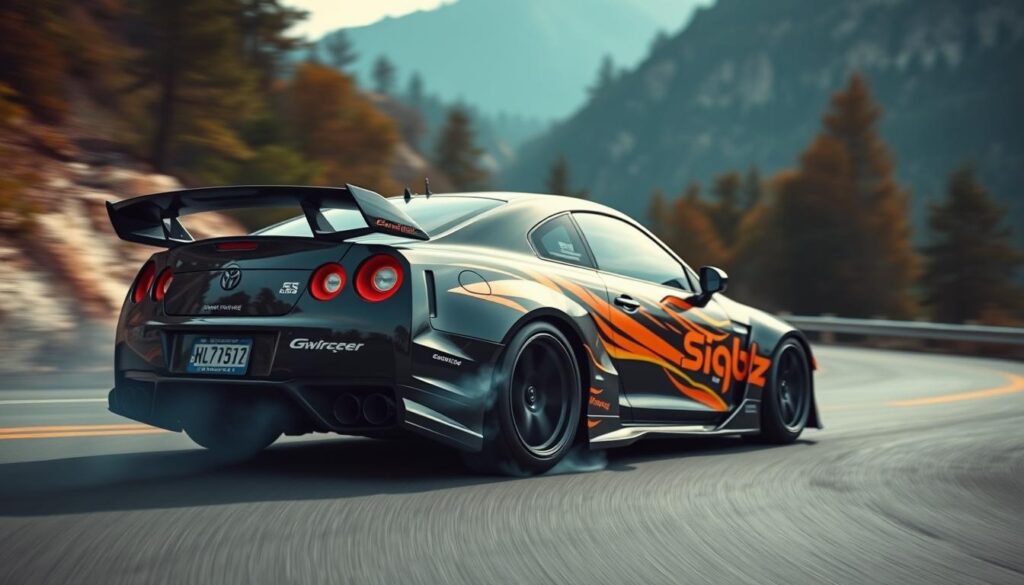
Building a drift car blends passion, skill, and automotive engineering. It starts with choosing the right base vehicle and making key modifications. This guide will help you create a competitive drift machine.
Your journey begins with selecting a front-engine, rear-wheel-drive car. These provide the best setup for drift competitions worldwide. Lightweight cars with manual transmissions are ideal for drifting enthusiasts.
Weight reduction is crucial for improved performance. Strip out unnecessary interior parts like rear seats and carpets. This will make your car more agile on the track.
Experienced drivers recommend a horsepower range of 500-800HP for efficient traction breaking. The right upgrades can turn an ordinary car into a drift beast. Coilover suspension kits offer extensive customization for enhanced handling.
Key modifications include a Limited Slip Differential and hydraulic handbrake. These help master those perfect sideways slides. Disabling traction control is also essential for your drift car journey.
Choosing the right tires is crucial for drifting success. Lightweight wheels like Work Meister and Work Equip offer style and performance. Remember, drifting isn’t just about power – it’s about skill and practice123.
Key Takeaways
- Choose a rear-wheel-drive car as your drift platform
- Focus on weight reduction for improved performance
- Invest in quality suspension and differential upgrades
- Aim for 500-800HP for optimal drift capabilities
- Practice is crucial to mastering drift techniques
Understanding Drift Cars and Their Components
Drifting is a thrilling motorsport that needs specific car features and expert skills. It has grown since its 1980s Japanese roots. Legendary drivers like Kunimitsu Takahashi and Keiichi Tsuchiya pioneered this sport4.
What Makes a Car Suitable for Drifting?
Drift techniques require unique vehicle specs. Rear-wheel-drive cars are best for drifting. They allow controlled slides and precise moves4.
When picking a drift car, focus on these key traits:
- Lightweight chassis
- Powerful engine
- Manual transmission
- Limited-slip differential
Key Components of a Drift Car
Drift tuning involves precise suspension and alignment changes. Pro drift cars have specific setup features:
| Component | Specification |
|---|---|
| Front Camber | -4 to 7 degrees |
| Rear Camber | Approximately 1 degree positive |
| Caster | 5 to 12 degrees |
Popular Drift Car Models
Drift car mods are vital for performance. Top models include:
- Nissan 240SX
- Nissan 350Z
- BMW E-Series (E36, E46)
- Ford Mustang
“Drifting is not just a driving technique, it’s an art form that combines precision, skill, and automotive passion.” – Keiichi Tsuchiya
Knowing these parts is key to mastering drift racing. It applies to both beginners and future pros4.
Choosing the Right Base Car for Your Drift Build
Selecting your first drift car is crucial for an exciting drift experience. The right vehicle can transform your passion into an exhilarating journey.
Your choice can make or break your entry into the drift culture. A well-chosen car will set you up for success in this thrilling motorsport.
Key Factors for Car Selection
When picking your drift machine, focus on these critical elements:
- Rear-wheel-drive layout5
- Balanced chassis design
- Strong aftermarket support
- Affordable modification potential
Top Recommended Drift Cars for Beginners
For newcomers to drift events, consider these standout options:
- Nissan 350Z – exceptional factory setup5
- BMW E36 M3 – accessible and capable5
- Toyota GR86 – perfect rear-wheel-drive dynamics5
- Mazda MX-5 Miata – lightweight and responsive5
Budget Considerations
Your drift journey doesn’t require a huge investment. Older models can be just as competitive as newer cars.
A 40-year-old Toyota Corolla AE86 can perform well alongside modern vehicles5. Older cars often offer great value for drifting enthusiasts.
Pro tip: Look for less popular models with great potential – they’re often more affordable and have dedicated aftermarket support.
Performance Specifications to Consider
For competitive drifting, keep these technical details in mind:
- Aim for around 400 horsepower6
- Maintain tire pressure around 32 PSI6
- Use street tire compounds6
- Ensure negative camber settings7
Your first drift car is an investment in your skills and passion. Choose wisely and modify carefully for the best results.
Enjoy the ride and embrace the thrill of the drift lifestyle. Your journey into drifting begins with the right car choice.
Essential Modifications for Your Drift Car
Turning a regular car into a drift machine requires smart upgrades. These changes boost performance, control, and safety. Drift tuning is an art that needs careful selection of drift car modifications.
Drift cars need specific upgrades to improve handling and control. Let’s look at the key changes that will make your drifting better.
Suspension Upgrades for Precision Handling
Your drift car’s suspension is vital for great performance. Most drift cars need adjustable coilovers to fine-tune ride height and stiffness8.
Key suspension changes include:
- Adjustable coilovers for custom ride feel
- Upgraded control arms for better geometry
- Chassis braces to reduce flex during hard turns8
Engine Modifications for Maximum Power
Power isn’t everything in drifting, but smart engine upgrades can really help. Focus on reliable changes that improve responsiveness and torque9.
Tire Selection: The Key to Controlled Slides
Tire choice is crucial for drift car mods. Pro drifters use soft, grippy front tires for control. They pair these with softer rear tires for easier sliding8.
| Modification | Purpose | Recommended Setup |
|---|---|---|
| Limited Slip Differential | Improve Power Delivery | Essential for Predictable Drifts9 |
| Racing Seats | Driver Safety | Secure Harness System8 |
| Hydraulic Handbrake | Drift Initiation | Precise Slide Control8 |
Pro tip: Always prioritize safety and reliability when modifying your drift car.
Drift tuning is about making a balanced car that responds to you. Each change should improve your car’s performance and your driving confidence.
Preparing for Your First Drift Experience
Entering the drift world requires careful planning and strategy. Your first drift events will be thrilling yet challenging. Good preparation can turn a nerve-wracking experience into an exciting adventure10.
Safety is crucial in drifting. Get top-quality gear like a helmet, fire-resistant suit, and strong gloves10. Choose specialized venues with open practice days for beginners.
Porsche’s drift training facilities offer structured environments for learning drift competitions11. These professional tracks can help you develop skills safely.
New drifters should focus on car control and gradual improvement. Start with low-speed practice to understand your vehicle’s behavior. Slowly increase the complexity of your maneuvers.
Bring essential tools to drift events. Pack 8mm to 14mm spanners and extra water10. Staying hydrated is important during intense drifting sessions.
Mastering drift culture takes time and dedication. Be patient, practice consistently, and enjoy the learning journey12. With persistence, you’ll soon be sliding like a pro.
FAQ
What makes a car suitable for drifting?
The ideal drift car has a front-engine, rear-wheel-drive layout with good weight distribution. It should have a lightweight chassis, powerful engine, and manual transmission. A limited-slip or welded differential is also crucial.
Popular models for drifting include the Nissan 240SX, BMW E46, and Hyundai Genesis Coupe. These cars offer excellent characteristics for the sport.
How much budget should I set aside for building a drift car?
For beginners, expect to invest between ,000 to ,000. This covers the car’s purchase price, essential modifications, and initial track fees.
Your budget should include suspension upgrades, safety equipment, and practice time. Remember to prioritize seat time over extensive modifications.
What are the most critical modifications for a drift car?
Key modifications include coilover suspension, a heavy-duty clutch, and appropriate tires. A limited-slip differential is crucial for controlled drifting.
Consider adding a hydraulic handbrake for easier drift initiation. Focus on reliability and car control rather than just chasing maximum horsepower.
What safety gear do I need for drifting?
You’ll need a DOT-approved helmet, fire-resistant racing suit, gloves, and proper closed-toe shoes. Installing a full roll cage is highly recommended.
Ensure your car has proper racing harnesses. All safety equipment should meet the standards of the track or competition you’re joining.
How do I learn to drift as a beginner?
Start by practicing at dedicated drift tracks or during open track days. Focus on car control and smooth weight transfer at lower speeds.
Take driving courses if possible. Consider starting with a more forgiving, lower-powered car. Watch experienced drifters and learn techniques gradually.
Which cars are best for beginner drifters?
The Nissan 350Z, BMW E46, and Hyundai Genesis Coupe are excellent choices for beginners. These cars offer a good balance of affordability and performance.
Look for models with rear-wheel drive and manual transmission. The Nissan 240SX remains a classic choice for entry-level drifters.
How important is weight reduction in drift car preparation?
Weight reduction is crucial in drift car building. It can significantly improve your car’s handling and responsiveness.
Remove unnecessary interior components and use lightweight panels. However, balance weight reduction with safety requirements to maintain structural integrity.
What type of tires should I use for drifting?
Tire selection depends on your car’s power and setup. Lower-powered cars can use skinnier tires for easier traction breaking.
More powerful builds require wider, grippier tires. Rear tires are especially important for initiating and maintaining a drift. Budget for multiple sets.
Source Links
- Drift Car Building – Everything You Need To Know – https://www.drifted.com/drift-car-building/
- How to Build a Drift Car: A Step-by-Step Guide – https://carfromjapan.com/article/car-maintenance/how-to-build-a-drift-car/
- Drifting for Dummies – https://forums.forza.net/t/drifting-for-dummies/83509
- What is drifting? A deep dive into the art of driving sideways – https://www.redbull.com/us-en/what-is-drifting-guide
- 10 Best Drift Cars: Top Choices For Mastering The Art Of Drifting – https://carbuzz.com/features/10-best-drift-cars-top-choices-for-mastering-the-art-of-drifting1/
- A guide to tuning a drift car – https://www.gtplanet.net/forum/threads/a-guide-to-tuning-a-drift-car.276105/
- Tuning Guide for Drifting – https://forums.forza.net/t/tuning-guide-for-drifting/4972
- How To Get Into Cars: Drifting Mods – https://hackaday.com/2021/01/04/how-to-get-into-cars-drifting-mods/
- 5 essentials for a drift car – http://www.carthrottle.com/posts/5-essentials-drift-car
- 10 things you should take to a drift day – http://www.carthrottle.com/posts/10-things-you-should-take-drift-day
- What To Bring And What To Leave Behind – Drift Day Preparations — AcrylDrift – https://www.acryldrift.com/blogs/what-to-bring-and-what-to-leave-behind-drift-day-preparations
- How To Drift – The Complete Guide – https://www.drifted.com/how-to-drift/

