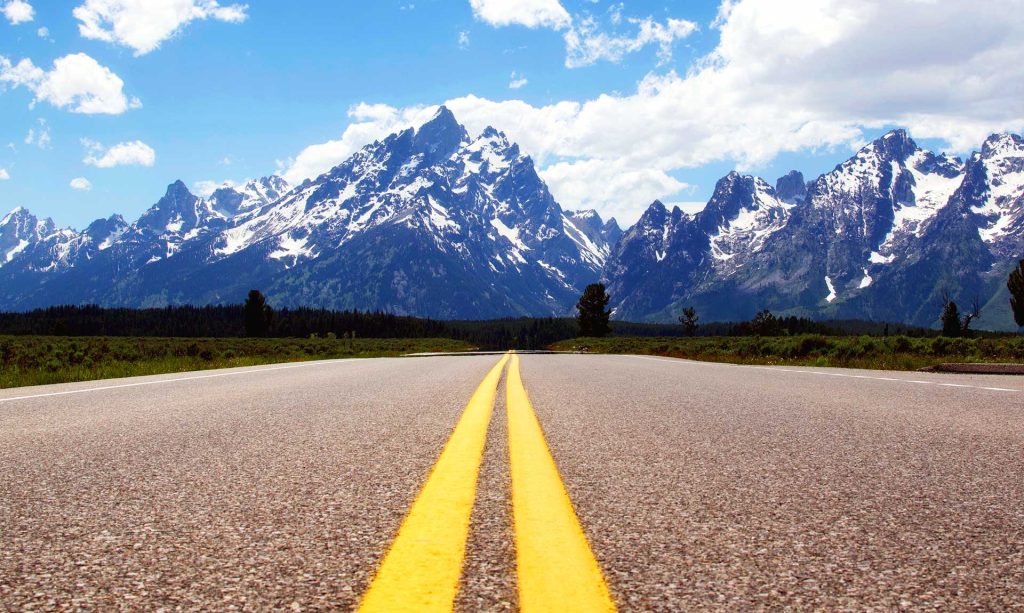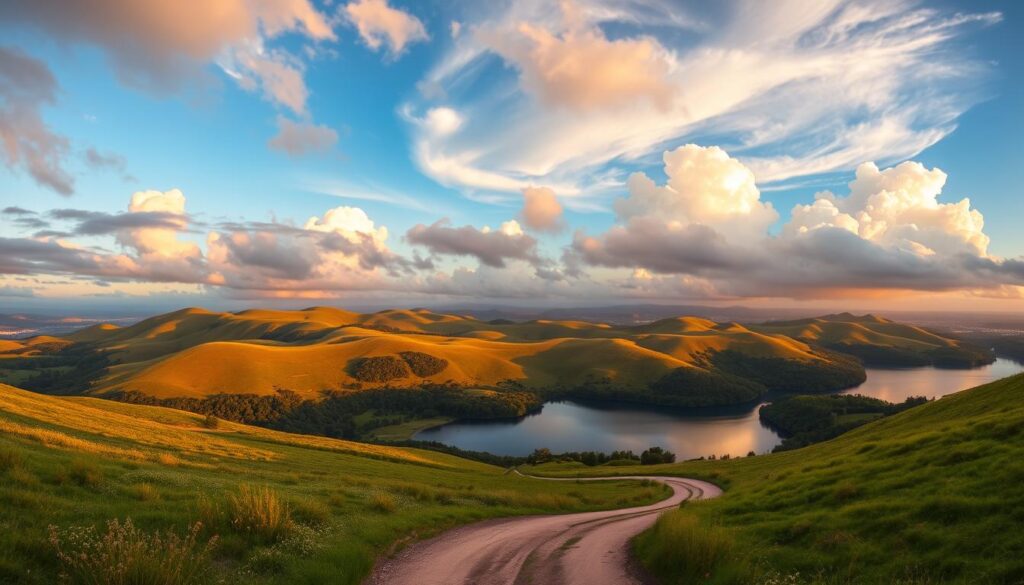
Landscape photography lets you explore the world through a creative lens. It’s perfect for nature lovers and those who want to capture stunning outdoor scenes. Local landscapes offer endless chances for exceptional imagery1.
Your journey into scenic photography starts with learning key techniques. These skills turn ordinary views into extraordinary visual stories2.
You don’t need to travel far to find breathtaking landscapes. Your local area has amazing potential for outdoor photography. Develop skills in observing light and understanding composition1.
Using the right equipment can unlock the beauty in your backyard. Practice is vital to mastering landscape photography3. It takes time to see the world through your camera lens.
Start by exploring nearby natural settings. Try different angles and capture your local terrain’s unique features2.
Key Takeaways
- Local landscapes offer unique opportunities for stunning photography
- Understanding camera techniques is crucial for capturing beautiful scenes
- Practice and experimentation are essential for skill development
- Invest in quality equipment to enhance your photographic results
- Explore different lighting conditions and shooting angles
Understand the Basics of Landscape Photography
Landscape photography captures natural scenery through technique and vision. It transforms ordinary scenes into extraordinary images. Mastering key principles will elevate your photography skills.
The Importance of Composition
Effective composition is vital in landscape photography. It creates visually compelling images that captivate viewers. Use these key techniques to improve your shots.
- Rule of Thirds: Divide your frame into nine sections and place key elements along these lines4
- Leading Lines: Use natural elements like rivers or paths to guide the viewer’s eye
- Balance: Create harmony between foreground, midground, and background elements
Choosing the Right Time of Day
Lighting is crucial in landscape photography. The golden hour offers soft, warm light that enhances natural scenery5. This magical time occurs just after sunrise or before sunset.
- Warm, diffused lighting
- Long shadows that add depth
- Rich, saturated colors
Utilizing Natural Light
Mastering natural light is key to stunning landscape photos. Your camera settings are crucial for capturing the perfect shot.
- Use smaller apertures (f/8 – f/16) to maximize depth of field5
- Keep ISO low (around 100) for minimal noise4
- Experiment with slower shutter speeds to create smooth water effects5
“Photography is the art of capturing light and emotion in a single frame.” – Anonymous Photographer
Pro tip: Always carry a tripod for sharp, crisp images in low-light conditions4. It will stabilize your camera and improve your shots.
Equipment You Need for Stunning Shots
Professional Travel and Wilderness Photography require the right gear. Your equipment can transform ordinary scenes into extraordinary images. It’s the key to capturing breathtaking landscapes.
Camera Options for Landscapes
Choosing the right camera is vital for landscape photography. Digital cameras with APSC to full-frame sensors offer excellent image quality. Look for these features when selecting your camera.
- Megapixel count above 10 for crisp details6
- Raw shooting capabilities for maximum editing flexibility6
- Sensor size between 1 inch and APSC for optimal performance6
Essential Lenses for Landscape Photography
Your lens is crucial for stunning landscape compositions. Wide-angle lenses between 14-35mm capture expansive views perfectly7. Invest in high-quality glass that can withstand tough outdoor conditions7.
“The right lens transforms a good landscape into an unforgettable memory.”
Accessories to Enhance Your Photos
Boost your Wilderness Photography with these essential accessories:
- Sturdy tripod for sharp, long-exposure shots6
- Circular polarizing filters to manage reflections7
- Neutral density filters for creative exposure control7
- Remote shutter release to minimize camera shake7
Pro tip: Consider renting specialized equipment before making significant investments to find your perfect setup7.
Techniques for Capturing Breathtaking Landscapes
Landscape photography blends skill, patience, and creativity to transform ordinary scenes into extraordinary images. Mastering specific techniques can dramatically improve your scenic photography results. These skills bring depth and emotion to your images.
Capturing stunning landscapes requires more than just pointing and shooting. You’ll need to develop specialized skills for impactful images. Intentional techniques can elevate your photography to new heights.
Mastering Depth of Field
Depth of field is crucial for landscape photography. Use smaller apertures like f/8 to f/16 to keep foreground and background sharp8. This ensures your entire scene remains in crisp focus.
Long Exposure Techniques
Create dramatic images by experimenting with long exposure methods. Neutral density filters help capture silky water movements and streaking clouds8. These techniques transform ordinary scenes into mesmerizing visual stories.
Utilizing Foreground Elements
Elevate your photography by incorporating foreground elements strategically. These visual anchors draw viewers into the scene. They add depth and context to your composition9.
| Technique | Purpose | Recommended Settings |
|---|---|---|
| Depth of Field | Maintain Sharp Focus | f/8 – f/16 |
| Long Exposure | Create Motion Effects | ND Filters |
| Foreground Elements | Add Composition Depth | Varied Perspectives |
Great landscape photography requires patience and practice. Revisit locations to capture diverse lighting and weather conditions. This approach will help you refine your skills over time.
Post-Processing Tips for Landscape Photos
Post-processing transforms raw landscape images into stunning visual stories. It’s a crucial step in elevating your environmental photography. Most pros edit in RAW format to maximize image quality and creative potential10.
Choosing the right editing software is key. Adobe Lightroom and Photoshop offer robust tools for landscape editing11. Learn techniques like removing lens flare, adjusting color balance, and applying selective adjustments.
Approach editing with subtlety. Re-edit images multiple times to perfect your technique12. Focus on white balance, horizon alignment, and avoid excessive color saturation.
Your goal is to enhance natural beauty, not alter it. Develop a consistent editing style for a distinctive visual signature. Experiment with techniques while maintaining the scene’s integrity and emotional impact.
For more insights, check out this landscape editing guide. It offers valuable tips for beginners and pros alike.
FAQ
What equipment do I need to start landscape photography?
You’ll need a DSLR or mirrorless camera with a full-frame 35mm sensor. A wide-angle lens (under 24mm) and sturdy tripod are essential. Polarizing and neutral density filters are also helpful.
A shutter release cable can reduce camera shake during long exposures. These tools will set you up for success in landscape photography.
When is the best time to photograph landscapes?
The golden hour, just after sunrise or before sunset, offers the most beautiful lighting. Natural light is softer, colors are vibrant, and shadows create dramatic depth.
Early morning and late afternoon provide compelling and atmospheric landscape shots. These times are ideal for capturing stunning images.
How important is composition in landscape photography?
Composition is crucial in landscape photography. The Rule of Thirds, leading lines, and visual balance can transform ordinary scenes into stunning images.
Careful framing and considering foreground elements create depth in your photos. These techniques help draw viewers in and tell a compelling visual story.
What camera settings should I use for landscape photography?
Master the exposure triangle: shutter speed, aperture, and ISO. Use a smaller aperture (f/11 or f/16) for a wide depth of field.
Keep ISO low (100-400) to minimize noise. Choose a shutter speed that captures the scene’s movement or stillness as desired.
Do I need to travel far to capture great landscape photos?
Local landscapes offer incredible opportunities for stunning photography. Revisit the same location during different seasons, times, and weather conditions.
Explore nearby parks, fields, coastlines, or urban landscapes to refine your skills. You can develop a unique portfolio without extensive travel.
What post-processing software do you recommend?
Adobe Lightroom and Photoshop are industry-standard tools for landscape photography editing. Focus on enhancing the natural beauty without over-manipulating the image.
Adjust white balance, fine-tune exposure, and selectively enhance colors. These techniques help bring out the best in your landscape photographs.
How can I create more dynamic landscape images?
Try long exposure to create dramatic effects like silky smooth water or streaking clouds. Add interesting foreground elements to give depth and scale to your images.
Explore various perspectives and revisit locations multiple times. Capturing the same scene under different conditions can yield unique results.
What file format should I use for landscape photography?
Shoot in RAW format for maximum flexibility during post-processing. RAW files contain more image data, allowing for extensive edits without quality loss.
When saving and exporting, consider the image’s intended use. This will help you determine the right file format and resolution.
Source Links
- Landscape Mode: Capturing Nature’s Beauty in Photography – https://proedu.com/blogs/photography-fundamentals/landscape-mode-capturing-natures-beauty-in-photography?srsltid=AfmBOoqiAE2VifTQ7ppLFSNX23vowlhQa9S6R398-ENnU1BwwDf4QFuH
- Top tips for landscapes – https://www.canon.ie/get-inspired/tips-and-techniques/landscape-photography-tips/
- Mastering Landscape Photography: 3 Essential Tips – https://www.viewbug.com/blog/3-tips-to-capture-beautiful-landscapes
- Landscape Photography: A Comprehensive Guide (+ 23 Expert Tips) – https://digital-photography-school.com/11-surefire-tips-for-improving-your-landscape-photography/
- Complete Guide to Landscape Photography – https://amateurphotographer.com/technique/improve-your-photography/guide-to-landscape-photography/
- Essential Equipment for Landscape Photography | Photzy – https://photzy.com/essential-equipment-for-landscape-photography/
- 11 Essential Pieces of Landscape Photography Gear in 2024 – https://digital-photography-school.com/10-essential-pieces-of-gear-you-need-for-landscape-photography/
- 10 Tips for Capturing Breathtaking Landscape Photos – https://medium.com/@francesco.saviano87/10-tips-for-capturing-breathtaking-landscape-photos-a65028c73e32
- Photography Academy – https://www.photographyacademy.com/landscape-photography-tips?srsltid=AfmBOoqvt95KoamAfp3BXBqN0g2y7B-GvMhSGOkh0hzR5wIXAbsHAD6_
- 10 Tips for Editing Landscape Photography Like a Pro – https://digital-photography-school.com/editing-landscape-photography/
- 8 Post Processing Tips for Creating Beautiful Landscape Photos – https://iso.500px.com/post-processing-tips-for-landscape-photos/
- Common Post Processing Mistakes in Landscape Photography – https://visualwilderness.com/post-processing/common-post-processing-mistakes-in-landscape-photography