
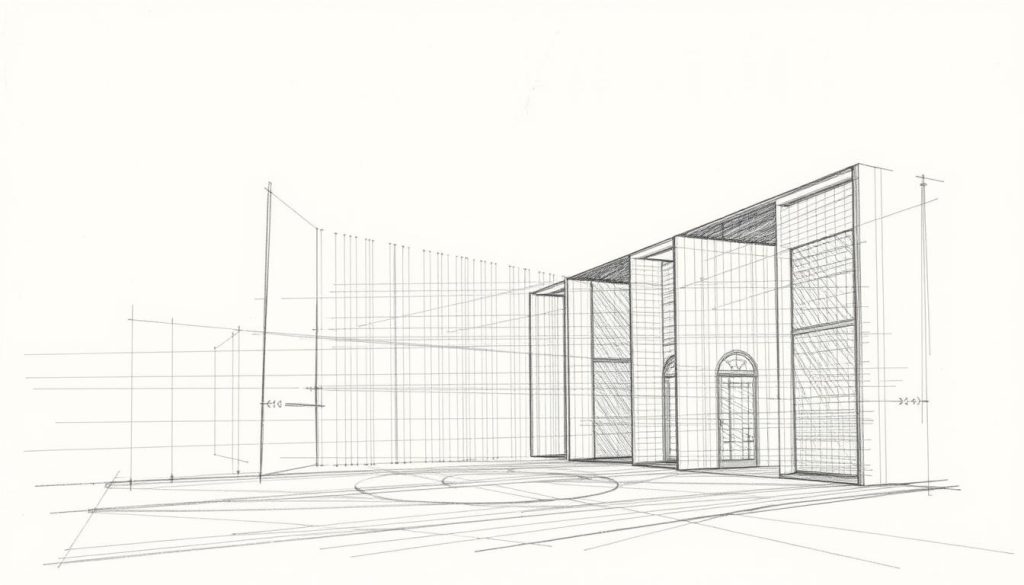
Cross hatching is a powerful shading technique that adds depth to artwork. Artists use it to create texture and visual interest in their drawings1. By layering intersecting lines, illustrators bring their artwork to life2.
This method involves controlling line density and direction for varied shading. Artists can create darker areas by increasing line closeness and complexity1. Cross hatching offers flexibility across different artistic mediums2.
Experts suggest using precision tools and learning basic techniques. Fine pencils and special pens help create clean, dramatic lines2. Mastering cross hatching takes patience and regular practice1.
Key Takeaways
- Cross hatching creates depth through intersecting lines
- Line density determines shading intensity
- Precision tools are crucial for clean artwork
- Multiple line layers build complex shadows
- Practice is essential for mastering the technique
Understanding Cross Hatch Fundamentals
Crosshatching transforms flat surfaces into dynamic visual landscapes. Artists use this method to create depth and texture through strategic line placement. It’s a powerful technique in Drafting and Technical Drawing.
Crosshatching uses parallel lines intersecting at various angles. The density of these lines affects the perceived darkness. By changing line spacing and angle, artists create remarkable depth.
What is Cross Hatching?
Cross hatching involves drawing sets of parallel lines at different angles. This creates patterns and tonal values. It simulates shadows and 3D form without using color.
Basic Tools and Materials Needed
- Straight pen with a medium-flex nib (recommended: Nikko G nib)3
- Sumi ink with excellent flow characteristics3
- High-quality drawing paper (32# laserjet or sketchbook paper)3
- Pencil for initial sketching
- Eraser for adjusting tonal values4
Types of Cross Hatching Patterns
Different cross hatching styles offer unique visual experiences:
- Parallel Cross Hatching: Lines maintain consistent angles between 30-45 degrees5
- Contour Cross Hatching: Lines follow the object’s natural shape, enhancing three-dimensionality4
- Random Cross Hatching: Varied line lengths and spacing create organic textures5
Mastering cross hatching takes practice and patience. Try different line spacing, pressure, and angles. This will help you develop your unique style.
Creating Depth and Dimension with Cross Hatch
Cross hatching turns flat surfaces into lively, 3D illustrations. Artists use this method to add depth by cleverly adjusting line density and direction6. The magic happens when intersecting lines mimic light, texture, and volume7.
Different techniques can produce stunning visual effects in illustration and engraving:
- Vary line spacing to create lighter or darker shades8
- Experiment with line thickness to enhance texture8
- Use overlapping lines to create complex tonal values6
This versatile method works in woodcut and etching too. Artists can mimic various surfaces by controlling line direction and density6. From smooth metal to rough fabric, the possibilities are endless.
Mastering cross hatching takes practice and sharp observation skills7. Start with pencil sketches to build confidence. Then, move on to pen and ink.
Understanding light source and value placement is key. These skills help create realistic, three-dimensional artwork7. With practice, you’ll soon be crafting stunning, lifelike illustrations.
Conclusion
Cross hatch techniques transform ordinary drawings into dynamic visual experiences. Artists can create incredible depth and texture by understanding the basics of cross hatching and shading methods. This powerful shading technique offers endless possibilities for artistic expression2.
Mastering cross hatch requires consistent practice and experimentation. Artists can refine their skills by exploring different line densities and directions. Fine pencils and precision tools help create intricate line work that brings drawings to life2.
Understanding line placement, spacing, and layering is key to transforming artistic expression. Each drawing offers a chance to explore new creative possibilities with this versatile technique. Embrace the learning process and watch your skills grow2.
Cross hatch is more than just a technical skill. It’s a form of visual storytelling that conveys texture, depth, and emotion. Keep practicing and stay curious to expand your artistic capabilities.
FAQ
What exactly is cross hatching?
Cross hatching is a drawing technique using intersecting lines for shading and depth. Artists layer lines at different angles to create tonal values. This method brings three-dimensional effects to two-dimensional surfaces.
What tools do I need to start cross hatching?
You’ll need fine-point pens and smooth drawing paper to start cross hatching. A ruler helps create precise lines. For advanced techniques, consider using a drafting compass or lightbox.
How is cross hatching different from regular shading?
Cross hatching uses distinct intersecting lines, unlike smooth shading techniques. It offers more control in showing light, shadow, and texture. This method creates a unique graphic representation of surface features.
Can cross hatching be used in digital art?
Yes, cross hatching works well in digital art. Many digital drawing tools have brushes that mimic cross hatching. This traditional technique adapts beautifully to modern digital mediums.
What are the most common cross hatching patterns?
Common cross hatching patterns include parallel lines and contour hatching. Random hatching uses irregular line directions. Graduated hatching varies line density to create depth.
How can I improve my cross hatching skills?
Practice with different line weights, angles, and densities to improve your skills. Study works by master artists like Albrecht Dürer. Start with simple objects and gradually increase complexity.
Can cross hatching be used in different art forms?
Cross hatching is versatile and used in many art forms. It’s popular in traditional drawing, printmaking, and technical illustration. You’ll also find it in architectural sketching and comic book artwork.
How do I create depth using cross hatching?
To create depth, vary your line spacing, angle, and thickness. Use closer, denser lines for darker areas or shadows. Wider-spaced lines suggest lighter regions. Changing line direction helps define object form and volume.
Source Links
- The Beginner’s Guide to Crosshatching – https://thepostmansknock.com/the-beginners-guide-to-crosshatching/?srsltid=AfmBOoq_L8Rjqpsl4WMOFut7qUZn-bJFcZpv4XncjmwLKehfCJiVxDD-
- How to Cross Hatch: 15 Steps (with Pictures) – wikiHow – https://www.wikihow.com/Cross-Hatch
- The Beginner’s Guide to Crosshatching – https://thepostmansknock.com/the-beginners-guide-to-crosshatching/?srsltid=AfmBOor6pkw8VEoO4NQ_q3keCHLvm0-CR-EEIdMBA2vhbXrqawXlIrWD
- Cross Hatching for Beginners – https://paintbasket.com/cross-hatching-for-beginners/
- How to Render and Cross Hatch for Comics – Step by Step with Examples – Ram Studios Comics – https://ramstudioscomics.com/index.php/2023/02/12/how-to-render-and-cross-hatch-for-comics-step-by-step-with-examples/
- Mastering Crosshatching: A Powerful Shading Technique for Artists – https://shop.sktchy.com/blogs/blog/mastering-crosshatching-a-powerful-shading-technique-for-artists?srsltid=AfmBOoq-ed0SANNEr8R6O6vY09lFVu6vt95zQRR5K3Xkub_IqWInS-6y
- Guide to Shading Techniques: Hatching, Cross-Hatching, Scribbling and Others – https://www.erikalancaster.com/art-blog/guide-to-shading-techniques-hatching-cross-hatching-scribbling-and-others
- Create stunning textured drawings with cross hatching – https://www.gathered.how/arts-crafts/art/cross-hatching

