
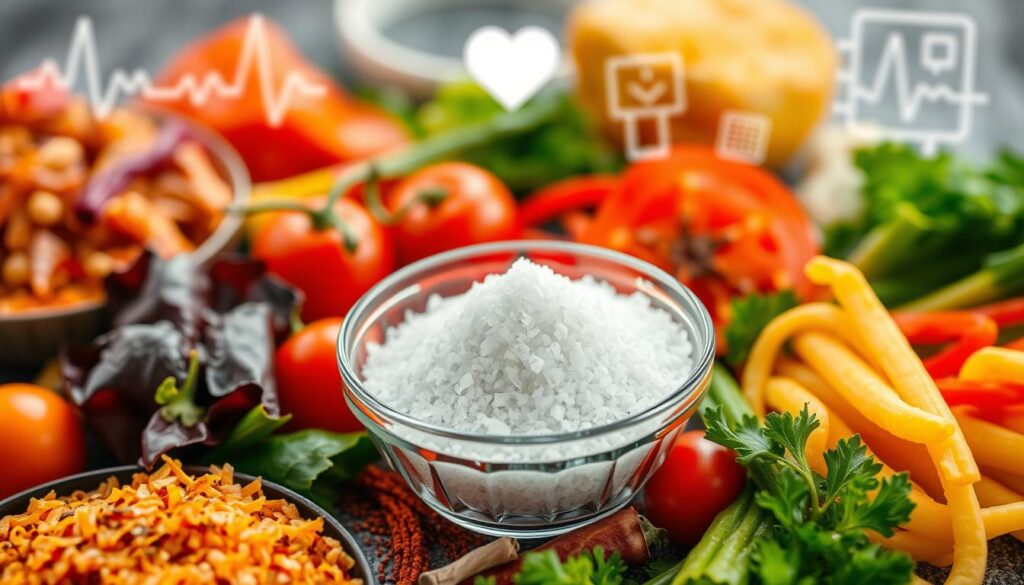
MSG, a flavor enhancer, has been a hot topic in nutrition for years. The FDA considers it generally safe1. Yet, some people worry about its potential side effects2.
MSG is found in many processed foods. Scientific research shows that reactions to MSG are uncommon1. Only about 1% of people may experience MSG symptom complex2.
The MSG debate began in the 1960s with “Chinese restaurant syndrome”. Since then, scientists have studied its effects extensively. Current evidence suggests normal MSG consumption is safe2.
Key Takeaways
- MSG is classified as generally safe by the FDA
- Less than 1% of people may experience mild MSG-related symptoms
- Scientific evidence does not support extreme health claims about MSG
- FDA requires clear labeling of MSG in food products
- Average daily MSG intake is typically between 0.3-1.0 grams
Understanding Monosodium Glutamate (MSG) and Its Uses
MSG is a powerful flavor enhancer that’s changed the food industry. This white, crystalline powder transforms dishes’ taste. It’s popular in many cuisines worldwide3.
What Makes MSG a Popular Flavor Enhancer
MSG creates the umami taste, the fifth basic taste alongside sweet, sour, salty, and bitter. It intensifies flavor profiles in foods. MSG contains less sodium than table salt, making it attractive for sodium reduction4.
- Reduces sodium content by up to 40%
- Enhances natural flavors in dishes
- Provides a unique taste experience
Natural Sources of MSG in Foods
MSG occurs naturally in many foods you enjoy. Tomatoes, cheese, mushrooms, and certain meats contain glutamic acid, MSG’s key component3.
The food industry uses this natural flavor enhancer to create tastier and potentially healthier products.
How MSG Creates the Umami Taste
MSG’s magic comes from its chemical makeup. It’s derived from L-glutamic acid, an amino acid. MSG dissolves easily in water and boosts food’s savory qualities.
On average, Americans consume about 0.55 grams of MSG daily. Asian countries show slightly higher consumption rates5.
MSG: Transforming flavors one crystal at a time!
MSG’s unique properties play a crucial role in enhancing flavors across global cuisines. Understanding these properties helps appreciate its impact on our food experiences.
The Science Behind MSG Safety and Regulation
MSG safety involves complex regulatory assessments and ongoing research. Food safety organizations worldwide have studied this flavor enhancer extensively. Their findings shed light on its safety for consumption.
FDA Classification and Safety Guidelines
The FDA labels MSG as “Generally Recognized as Safe” (GRAS)6. This means scientific evidence backs its safety for consumption. An average adult eats about 13 grams of glutamate daily from protein-rich foods7.
- MSG is an amino acid salt naturally present in many foods
- Regulatory agencies worldwide have confirmed its safety
- Intake of added MSG is estimated at around 0.55 grams per day7
Current Scientific Research on MSG
Recent studies have debunked old myths about MSG. The body processes glutamate from MSG just like natural food glutamate6. We actually eat 20 to 40 times more glutamate from regular foods than seasonings6.
Scientific research consistently supports the safe consumption of MSG when used in typical amounts.
Recommended Daily Intake Levels
| Regulatory Body | MSG Assessment |
|---|---|
| FDA | Generally Recognized as Safe (GRAS)8 |
| JECFA | Established acceptable daily intake8 |
| EFSA | Confirmed safety for typical food consumption8 |
Some sensitive people might feel mild symptoms when eating 3 grams of MSG without food7. However, comprehensive research indicates no consistent evidence of harmful effects8.
For most people, MSG is safe when eaten as part of a balanced diet. If you’re worried, talk to a doctor about your diet needs.
Common Concerns and Reported Side Effects
MSG symptom complex has been a topic of discussion for decades. Some people report sensitivity to this flavor enhancer. The Chinese restaurant syndrome has sparked concerns about potential adverse reactions9.
- Headaches
- Flushing
- Facial pressure
- Numbness or tingling
- Mild gastrointestinal discomfort9
Fewer than 1 percent of people may be sensitive to MSG. Most symptoms are typically mild and short-lived10. They usually appear within one hour of eating MSG-containing food and last for a few hours9.
While concerns exist, scientific evidence remains mixed regarding the direct link between MSG and severe health impacts.
Most people can consume MSG without experiencing significant adverse reactions. The average daily intake is less than 1 gram. This amount is well below potentially problematic levels10.
Your body’s response to MSG can depend on individual sensitivity. Some people may be more reactive than others11. If you experience persistent or severe symptoms, consult a healthcare professional.
Seek emergency medical help for signs of a possible allergic reaction11. Your health and safety should always come first.
Conclusion
Scientific research offers reassuring insights about MSG safety. Most people can consume moderate amounts without significant health risks. The FDA and other health authorities consider MSG a safe food ingredient12.
Foods with MSG can be part of a balanced diet. The average person consumes about half a gram of added glutamate daily. Food labels now clearly list ingredients, making it easier to track MSG intake12.
If you’re sensitive to MSG, pay attention to your body’s responses. Consult healthcare professionals for personalized guidance. MSG contains two-thirds less sodium than table salt, making it a potential alternative for sodium management13.
Scientific evidence doesn’t support widespread health concerns about MSG. Your personal experience and sensitivity should guide your dietary choices. Moderation is key in any diet.
Stay informed about food ingredients and listen to your body. This approach will help you make confident choices about MSG. Maintain a healthy, balanced approach to nutrition for overall well-being.
FAQ
What exactly is MSG?
MSG is a flavor-enhancing food additive derived from L-glutamic acid. It’s a white, odorless crystalline powder that dissolves easily in water. MSG creates the umami taste, the fifth basic taste alongside sweet, sour, salty, and bitter.
Is MSG safe to consume?
The FDA, JECFA, and EFSA consider MSG generally recognized as safe (GRAS). The acceptable daily intake is 14 mg per pound of body weight. This amount is much higher than typical dietary intake.
Where is MSG commonly found?
MSG occurs naturally in foods like tomatoes, cheese, and mushrooms. It’s popular in Asian cooking and widely used in processed foods. The food industry uses MSG to improve taste and reduce sodium content.
What are MSG symptom complex (MSC) reactions?
MSG symptom complex affects less than 1% of the population. Potential symptoms include weakness, flushing, dizziness, headache, numbness, and breathing difficulties. These symptoms usually occur only with high MSG doses consumed without food.
How much MSG do people typically consume?
The average daily intake of MSG is between 0.3 and 1.0 grams. Sensitive individuals may experience mild symptoms with 3 or more grams of MSG. This amount is unlikely in a typical meal.
Can I avoid MSG in my diet?
The FDA requires foods containing MSG to list it on their packaging. You can make informed choices by reading food labels carefully. Choose whole foods and prepare meals at home to control ingredients.
Are there any proven long-term health risks?
Current evidence suggests MSG is safe for most people in moderate amounts. Recent studies have questioned previous claims of toxicity. However, more research is needed to understand potential long-term effects.
Source Links
- How does your body react to MSG? – https://www.mayoclinic.org/healthy-lifestyle/nutrition-and-healthy-eating/expert-answers/monosodium-glutamate/faq-20058196
- Is MSG Truly Unhealthy? All You Need to Know – https://www.healthline.com/nutrition/msg-good-or-bad
- Monosodium Glutamate (MSG) – Structure, Properties & Uses – https://byjus.com/chemistry/monosodium-glutamate/
- What is MSG and How is it Made? | MSG (Monosodium Glutamate) | Ajinomoto Group Global Website – Eat Well, Live Well. – https://www.ajinomoto.com/msg/what-is-msg-and-how-is-it-made
- 8 Foods with MSG (Monosodium Glutamate) – https://www.healthline.com/nutrition/foods-with-msg
- Is MSG Safe? | MSG (Monosodium Glutamate) | Ajinomoto Group Global Website – Eat Well, Live Well. – https://www.ajinomoto.com/msg/is-msg-safe
- Questions and Answers on Monosodium glutamate (MSG) – https://www.fda.gov/food/food-additives-petitions/questions-and-answers-monosodium-glutamate-msg
- Debunking Myths and Understanding Its Safety – CircleDNA – https://circledna.com/blog/the-science-behind-msg-debunking-myths-and-understanding-its-safety/?srsltid=AfmBOorZM_DIAUUitYA359aYQIgWnwxTMCrvRNOs6PPv6XSlFfP_Cm8X
- What are the side effects of Sodium glutamate? – https://synapse.patsnap.com/article/what-are-the-side-effects-of-sodium-glutamate
- Does MSG Get a Bad Rap? – https://www.uhhospitals.org/blog/articles/2023/08/does-msg-get-a-bad-rap
- Monosodium Glutamate (MSG) Food Intolerance – https://www.mountsinai.org/health-library/diseases-conditions/monosodium-glutamate-msg-food-intolerance
- Monosodium Glutamate and Cancer: Is There a Connection? – https://www.healthline.com/health/monosodium-glutamate-cancer
- Is MSG bad for your health? The surprising truth – https://www.today.com/health/msg-bad-you-truth-about-msg-according-experts-t197207

