
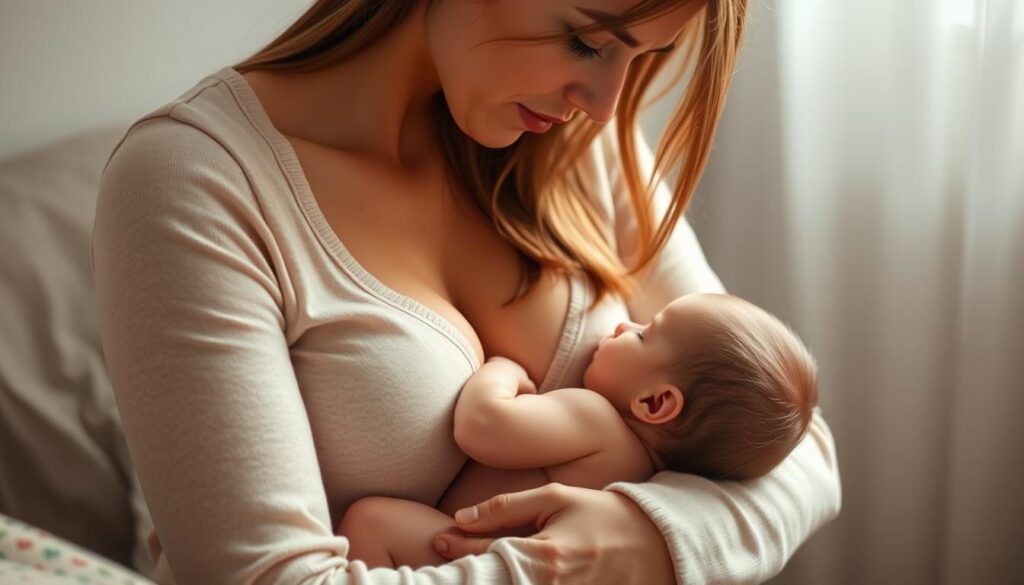
Mastitis is a painful breast infection that affects many breastfeeding moms. It can disrupt your nursing journey and cause discomfort. But don’t worry, understanding this condition can help you manage it better1.
This issue often starts when milk ducts get blocked. This leads to infection and swelling. Most cases can be handled well with proper care and medical help1.
You can keep breastfeeding during treatment. In fact, nursing helps fight the infection1. Many moms face this problem, so remember, you’re not alone2.
Key Takeaways
- Mastitis is a common breast inflammation affecting breastfeeding mothers
- Symptoms typically improve within 24 to 72 hours with correct management1
- Antibiotics can help clear the infection within 10 days2
- Continued breastfeeding is safe and can help fight the infection1
- Professional medical support is crucial for effective treatment
Understanding Mastitis and Its Symptoms
Mastitis is a painful condition affecting breastfeeding mothers. It causes discomfort and complications during nursing. This mammary gland disorder can appear suddenly, creating challenges for new parents.
Common Signs of Breast Infection
A milk duct infection can show several distinct symptoms:
- Hot and swollen breast tissue
- Red streaks across the breast
- Intense localized pain
- Body aches and chills
- Potential fever
These signs can appear quickly and affect one or both breasts34. If left untreated, a breast abscess might form.
Early recognition is vital to prevent complications3.
Risk Factors for Developing Mastitis
Several factors can increase your chances of experiencing this condition:
- Sore or cracked nipples
- Improper nursing techniques
- Fatigue and high stress levels
- Inadequate diet
- Smoking
“Early detection and proper management are essential in preventing serious complications” – Lactation Health Expert
To lower your risk, talk to a lactation specialist. They can teach proper breastfeeding techniques and help prevent milk duct blockages34.
Quick medical care and possible antibiotic treatment can greatly improve your recovery3.
Essential Treatment Methods for Breast Inflammation
Mastitis can be tough for breastfeeding moms. It needs careful management and support from a lactation expert. Understanding effective treatment strategies is key for dealing with this postpartum complication.
Focus on reducing swelling and stopping infection. Treat mastitis gently, like you would a small injury. Don’t use harsh methods.
- Apply ice packs to reduce breast swelling
- Use over-the-counter NSAIDs for pain relief
- Practice lymphatic drainage techniques
- Wear supportive, comfortable bras
Keep breastfeeding to clear the infection. A lactation expert can help improve your technique. This can prevent future problems5.
| Treatment Method | Benefits |
|---|---|
| Frequent Breastfeeding | Empties breast, reduces infection risk |
| Antibiotics | Treats bacterial infections |
| Warm Compresses | Improves blood circulation |
If symptoms don’t improve after 1-2 days of home care, see a doctor. This prevents potential infection spread6. Your doctor might suggest specific tests for proper treatment5.
Remember, managing mastitis is about gentle care and consistent support.
Other helpful treatments include probiotics and soy lecithin supplements. Stress management techniques can also help. Always talk to your doctor about a treatment plan that’s right for you6.
Conclusion
Understanding mastitis empowers you to overcome breastfeeding challenges confidently. Research reveals multiple effective treatments for managing this condition7. Your breastfeeding journey can continue despite mastitis.
Prevention strategies like acupoint massage and probiotics can lower your risk7. Most mothers successfully continue breastfeeding after addressing inflammation8. Support from lactation consultants and healthcare providers is vital.
Breastfeeding complications are common but manageable9. Stay informed and proactive to maintain a healthy breastfeeding relationship9. Your commitment and early action are crucial for overcoming mastitis.
Stay positive and seek help when needed. Trust your ability to navigate this temporary challenge. You can succeed in your breastfeeding experience.
FAQ
What is mastitis and who is most likely to develop it?
Mastitis is a painful breast infection affecting breastfeeding mothers. It happens when milk ducts get blocked, causing inflammation and possible bacterial infection. You’re at risk if you face breastfeeding issues, miss feedings, or have nipple trauma.
What are the key symptoms of mastitis?
You may feel breast pain, see redness, and notice swelling in the affected area. Other signs include fever, chills, and flu-like symptoms. Some women get breast lumps from blocked milk ducts.
This condition can affect one or both breasts.
How can I prevent mastitis while breastfeeding?
To prevent mastitis, ensure proper latch and positioning when nursing. Feed often and empty your breasts fully during feedings. Wear comfy clothes and manage stress.
Avoid skipping feedings and address any nipple discomfort quickly. Maintaining good health also helps prevent mastitis.
Is it safe to continue breastfeeding if I have mastitis?
Yes, keep breastfeeding to clear the infection. It helps prevent milk duct blockages and supports your recovery. Don’t stop unless your doctor tells you to.
What treatment options are available for mastitis?
Treatment includes ice packs for swelling and over-the-counter NSAIDs for pain relief. Lymphatic drainage techniques and antibiotics may be needed for bacterial infections.
Your doctor might suggest probiotics, soy lecithin supplements, and supportive bras.
How long does mastitis typically last?
Most mastitis cases clear up within 10-14 days with proper care. If symptoms persist or worsen, consult a healthcare pro or lactation expert.
When should I seek medical attention for mastitis?
Get medical help if you have high fever, severe pain, or red streaks on the breast. Also, seek help if you see signs of abscess or if symptoms don’t improve after 48 hours.
Professional medical evaluation can prevent complications.
Can mastitis recur?
Yes, mastitis can come back if breastfeeding issues aren’t fixed. To lower the risk, focus on good nursing techniques and breast emptying. Managing stress and maintaining breast health also helps prevent recurrence.
Source Links
- Mastitis: What It Is & Treatment – https://my.clevelandclinic.org/health/diseases/15613-mastitis
- Mastitis – Diagnosis and treatment – https://www.mayoclinic.org/diseases-conditions/mastitis/diagnosis-treatment/drc-20374834
- Mastitis – Symptoms and causes – https://www.mayoclinic.org/diseases-conditions/mastitis/symptoms-causes/syc-20374829
- Mastitis – https://www.hopkinsmedicine.org/health/conditions-and-diseases/mastitis
- Breast Mastitis | Mastitis Causes, Symptoms, and Treatment – https://www.cancer.org/cancer/types/breast-cancer/non-cancerous-breast-conditions/mastitis.html
- 9 Home Remedies for Mastitis: Cabbage, Essential Oils, and More – https://www.healthline.com/health/breastfeeding/home-remedies-for-mastitis
- Interventions for preventing mastitis after childbirth – https://pmc.ncbi.nlm.nih.gov/articles/PMC8094918/
- Women’s experiences of treatment for mastitis: A qualitative study – https://www.europeanjournalofmidwifery.eu/Women-s-experiences-of-treatment-for-mastitis-A-qualitative-study,137356,0,2.html
- Breastfeeding Challenges – https://www.acog.org/clinical/clinical-guidance/committee-opinion/articles/2021/02/breastfeeding-challenges

