
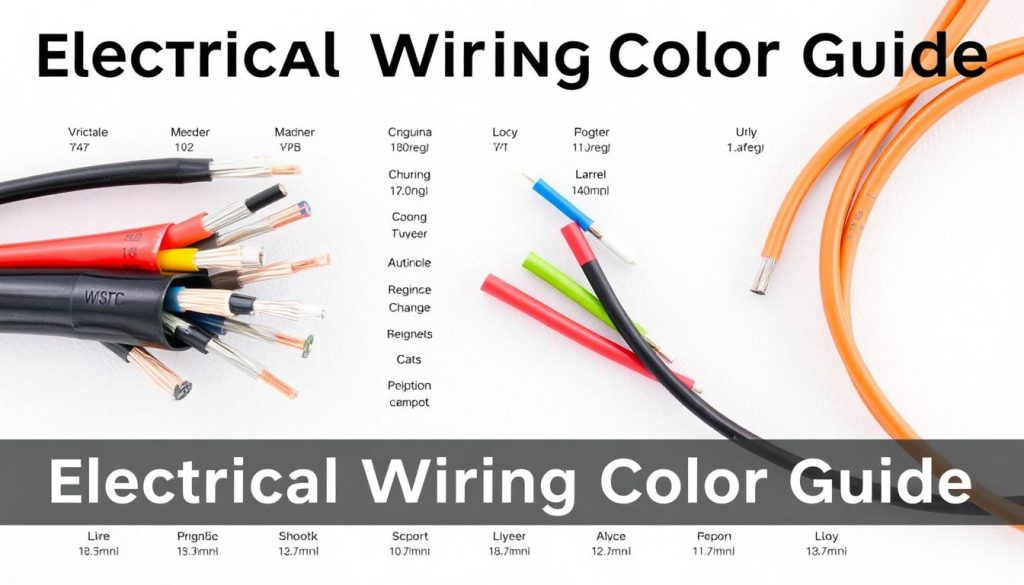
Mismatched wire colors in your home’s electrical system can be puzzling and risky. Understanding wire colors is vital for safe home projects. Black and red wires usually carry electricity throughout your home1.
Older homes often have outdated wiring that doesn’t match current standards. These systems can confuse even experienced homeowners. The electrical industry has changed a lot over time2.
Today, we use standard color coding for better safety. When you find odd wire colors, be careful. Experts suggest getting a thorough inspection2.
You might need to rewire your home. This ensures your electrical system meets modern safety rules2.
Key Takeaways
- Wire color standards help ensure electrical safety
- Older homes may have non-standard electrical wiring
- Professional inspection can identify potential electrical risks
- Color coding helps prevent electrical mistakes
- Modern electrical systems prioritize safety and standardization
Understanding Standard Electrical Wire Colors and Their Functions
Electrical wiring colors are vital for safety. Different colors serve specific purposes in electrical systems3. Knowing these colors helps prevent hazards and ensures proper installation.
Electrical systems use color-coding to distinguish wire types and functions. This standardization helps identify each wire’s role quickly and safely4.
Exploring Hot Wires in Electrical Systems
Hot wires carry electrical current to devices and outlets. Black wires are common hot wires in homes, typically carrying 120 volts3.
Red wires are secondary hot wires. They’re often used in 240-volt applications for appliances like ovens and water heaters4.
- Black wires: Primary hot wires in most residential installations
- Red wires: Secondary hot wires for high-voltage circuits
- Orange wires: Alternative hot wire in some electrical configurations
Neutral Wires: White and Gray Conductors
Neutral wires complete electrical circuits. White and gray wires typically return current to the electrical panel3. The National Electrical Code allows these colors for neutral wire identification5.
Ground Wires: Ensuring Electrical Safety
Ground wires are crucial for electrical safety. Green and bare copper wires prevent shock by providing a safe path for excess electricity4. They don’t carry current under normal conditions3.
| Wire Color | Function | Typical Usage |
|---|---|---|
| Black | Hot Wire | Primary power transfer |
| Red | Secondary Hot Wire | 240-volt circuits |
| White/Gray | Neutral Wire | Current return path |
| Green/Bare Copper | Ground Wire | Electrical safety |
Note: Always consult a professional electrician for specific wiring needs and electrical safety concerns.
Wiring black, white, and green wires: Common Variations and Special Cases
Cable installation can be tricky when wire colors differ from standard codes. White wires with black or red tape might be hot wires. Always use a multimeter to check wire function before making connections67.
Blue and yellow wires can have unique roles in black, white, and green wire systems. Yellow wires often control lighting or ceiling fans6. Blue wires might be used for lighting control systems7.
These color variations highlight the need to understand wire functionality beyond traditional coding. Professional guidance is vital when dealing with non-standard wire setups. A thorough knowledge of electrical wire color codes helps prevent potential dangers.
Color coding reduces human error in electrical installations by about 30%7. It’s crucial to approach unusual wiring scenarios with caution. Electricians advise careful checking of wire purposes.
Wires marked with electrical tape might have different functions6. Remember, all wires could carry current. Prioritize safety and ask experts when unsure about your electrical setup7.
FAQ
What do standard electrical wire colors mean?
Black and red wires carry electrical current. White and gray wires are neutral. Green or bare copper wires provide a safety path for excess charge.
Why do some older homes have different wire colors?
Older homes may not follow modern color coding standards. Electrical codes and wiring practices have changed over time. Always use a multimeter to check wire function before working on electrical systems.
What should I do if wire colors don’t match the standard?
Don’t assume wire colors indicate their function. Use a multimeter to test each wire’s purpose. White wires with colored tape might be hot wires.
Blue or yellow wires can have specific applications. When unsure, consult a professional electrician for safe and correct wiring.
Are neutral wires always safe to touch?
No, even neutral wires can carry current sometimes. They are part of the electrical circuit and may be energized. Always treat all wires carefully and use proper safety equipment.
What is the purpose of a ground wire?
Ground wires redirect excess electrical charge away from the system. They prevent shocks and protect against fires. These wires provide a safe route for stray electricity to dissipate into the ground.
Source Links
- Understanding Electrical Wire Color Codes – https://www.familyhandyman.com/list/what-electrical-wire-colors-mean/?srsltid=AfmBOope5f9uV8f-ALZLP44x4ruhNTOo3QOT6ZZhKiL8a5wPicr38elh
- How to Identify Wiring in an Old House – https://www.homedepot.com/c/ah/how-to-identify-wiring-in-an-old-house/9ba683603be9fa5395fab9019bb89a66
- Understanding Electrical Wire Color Codes – https://www.familyhandyman.com/list/what-electrical-wire-colors-mean/?srsltid=AfmBOopa_Dtnt9lRXui4z5LCNhY97WeOkAkF7Vvx5m2zRuQMAVLti337
- Understanding Electrical Wire Color Codes – Magnify Electric – https://magnifyelectric.com/understanding-electrical-wire-color-codes/
- How to Decode Wire Color Codes for Any Project – https://www.gearit.com/blogs/news/wire-color-code?srsltid=AfmBOoq1D_M6UVfTZbi77AtuUP3iDk5-XBy1xCrRfR-uiyCw_9q7hdUV
- Electrical Wire Color Guide – https://tidalelectricalservices.com/blog/electrical-wire-color-guide
- Electrical Wire Color Code Guide | TRADESAFE – https://trdsf.com/blogs/news/electrical-wire-color-code-guide?srsltid=AfmBOooWdIoGMJxFlO6K6FaQuo4NO80Rt2LxRHbDeoEidRKK3Jb9sSIn

