
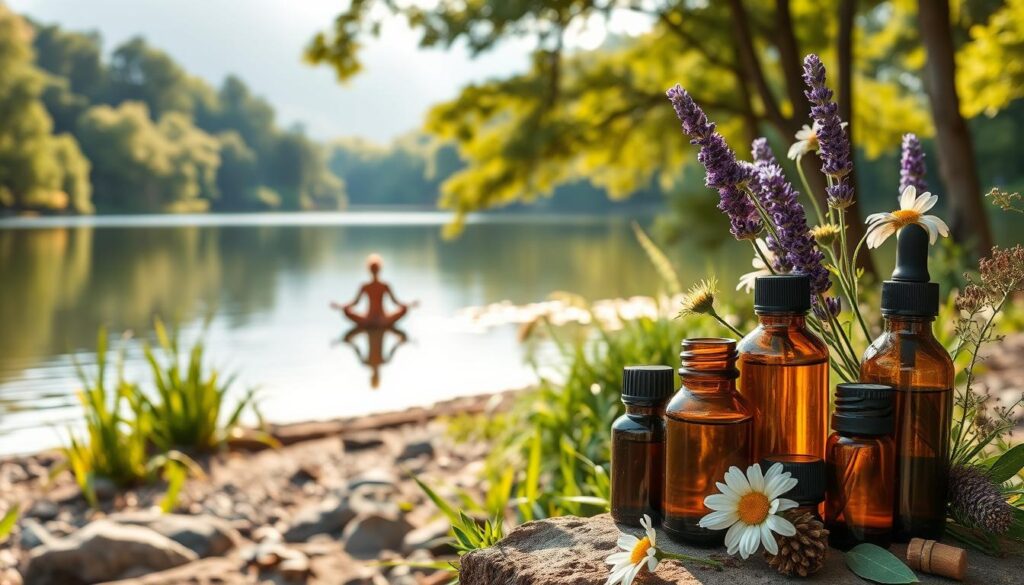
Anxiety can disrupt your daily life, affecting work, relationships, and personal well-being. Managing anxiety through natural methods is vital for mental health1. Many people face intense fear and anxiousness daily, impacting their quality of life1.
Anxiety relief techniques aren’t one-size-fits-all. Some find relief through medication, while others prefer holistic remedies1. Exercise, deep breathing, and lifestyle changes can help manage anxiety symptoms1.
Exploring various natural strategies is key to managing anxiety. Weighted blankets can help relax your body and ease anxiety symptoms1. Avoiding smoking and excessive alcohol can also reduce anxiety and prevent symptom escalation1.
Key Takeaways
- Anxiety affects daily activities and mental well-being
- Natural techniques can help manage anxiety symptoms
- Exercise and lifestyle changes support anxiety relief
- Individual approaches to anxiety management vary
- Seek professional help for chronic or severe anxiety
Understanding Anxiety and Its Impact
Anxiety affects millions worldwide, challenging mental health. It’s a complex emotion that 19% of U.S. adults experience yearly. Understanding anxiety is key to managing it naturally2.
Defining Anxiety and Its Symptoms
Anxiety shows through physical and emotional signs. You might notice increased heart rate, rapid breathing, or restlessness. Difficulty concentrating and persistent worry are also common.
These symptoms can disrupt your daily life and overall well-being3.
The Body’s Stress Response System
Your body’s stress response is a natural survival mechanism. It releases hormones like adrenaline and cortisol to prepare for challenges3. While this response can be protective, chronic activation can lead to anxiety disorders.
Common Triggers and Risk Factors
| Trigger Category | Specific Triggers |
|---|---|
| Lifestyle | Caffeine, alcohol, tobacco use |
| Personal Factors | Genetics, brain chemistry, past experiences |
| Environmental | Work pressure, family issues, financial stress |
Knowing your triggers is vital for reducing anxiety3. It helps you create strategies tailored to your needs2.
“Knowledge is the first step towards managing your mental health effectively.”
Natural Ways to Reduce Anxiety
Anxiety doesn’t always need prescription drugs. Natural relaxation techniques can help you find peace and calm. Relaxation techniques for anxiety are worth exploring4.
Anxiety disorders affect 31% of adults during their lifetime. It’s important to find effective ways to cope4.
Discover these powerful herbal remedies for anxiety and holistic approaches:
- Regular exercise can significantly reduce anxiety symptoms5
- Practice mindfulness for anxiety relief through meditation and deep breathing techniques6
- Consider natural supplements like chamomile and omega-3 fatty acids4
“Anxiety does not empty tomorrow of its sorrows, but only empties today of its strength.” – Charles Spurgeon
Some lifestyle changes can greatly improve your mental health. Cutting back on caffeine and doing yoga can lower stress levels.
Regular exercise has been proven to reduce anxiety. Essential oils like lavender and bergamot can calm you during anxious times456.
These natural methods can help, but they’re not a cure-all. If anxiety persists, talk to a healthcare professional6.
Conclusion
Managing anxiety requires a personalized approach. Create a toolkit of natural treatments that work for you. Combining lifestyle changes with expert guidance can significantly improve your mental health7.
Knowing your anxiety triggers is key. People experience anxiety through various pathways8. Regular exercise can greatly reduce anxiety symptoms. Experts suggest 2.5 hours of moderate exercise weekly for better mental health7.
Professional support is crucial for managing anxiety. Cognitive behavioral therapy can help reframe negative thoughts quickly7. Natural remedies work best when paired with professional strategies8.
Your mental health journey is unique. Be patient and open to different treatments. Prioritize your emotional well-being. With the right mix of natural and professional help, you can build resilience.
FAQ
What exactly is anxiety?
Anxiety is your body’s natural response to stress. It’s marked by feelings of fear or worry. Anxiety can help you stay alert, but persistent anxiety may develop into a disorder.
What are the most common symptoms of anxiety?
Common anxiety symptoms include increased heart rate and rapid breathing. Restlessness, trouble concentrating, and sweating are also typical signs.
You might feel on edge or have racing thoughts. Some people experience unexplained tension or gastrointestinal issues.
Can I manage anxiety naturally without medication?
Yes, you can manage anxiety naturally through several methods. Regular exercise, meditation, and mindfulness practices can help reduce symptoms.
Limiting caffeine and alcohol intake is also beneficial. Deep breathing, aromatherapy, and a healthy diet can aid in anxiety management.
For severe cases, it’s best to consult a healthcare professional.
How effective are natural anxiety remedies?
Natural anxiety remedies can be quite effective. Regular exercise lowers anxiety risk by about 60%.
Meditation and mindfulness-based cognitive therapy can rival some prescribed medications. Aromatherapy is another effective tool for relieving anxiety symptoms.
What are the main triggers of anxiety?
Anxiety triggers vary but often include caffeine and alcohol consumption. Work stress, personal issues, and major life changes can also spark anxiety.
Genetic predisposition and environmental factors play a role too. Knowing your triggers helps develop better coping strategies.
Are there specific foods or drinks that can help reduce anxiety?
Yes, certain foods and drinks can help manage anxiety. Chamomile tea contains apigenin, which has anti-anxiety properties.
A diet rich in omega-3 fatty acids and whole grains can regulate mood. Foods high in magnesium may also help reduce anxiety symptoms.
When should I seek professional help for anxiety?
Seek help if anxiety significantly interferes with your daily life. If it causes persistent distress or leads to panic attacks, consult a professional.
When natural remedies aren’t enough, a healthcare expert can offer more options. They may suggest therapy or medication to manage your anxiety effectively.
Source Links
- Natural Remedies to Alleviate Anxiety – https://www.webmd.com/anxiety-panic/natural-remedies-for-anxiety
- 10 natural remedies for reducing anxiety and stress – https://www.medicalnewstoday.com/articles/322396
- Get help with anxiety, fear or panic – https://www.nhs.uk/mental-health/feelings-symptoms-behaviours/feelings-and-symptoms/anxiety-fear-panic/
- These 13 Natural Remedies Can Reduce Anxiety – https://www.health.com/condition/anxiety/natural-anxiety-remedies
- 16 Simple Ways to Relieve Stress and Anxiety – https://www.healthline.com/nutrition/16-ways-relieve-stress-anxiety
- 12 Natural Remedies for Anxiety to Look Into – https://www.verywellhealth.com/natural-remedies-for-anxiety-8418532
- 4 ways to cope with anxiety – https://www.medicalnewstoday.com/articles/how-to-overcome-anxiety
- Anxiety self-help guide – https://www.nhsinform.scot/illnesses-and-conditions/mental-health/mental-health-self-help-guides/anxiety-self-help-guide/

