
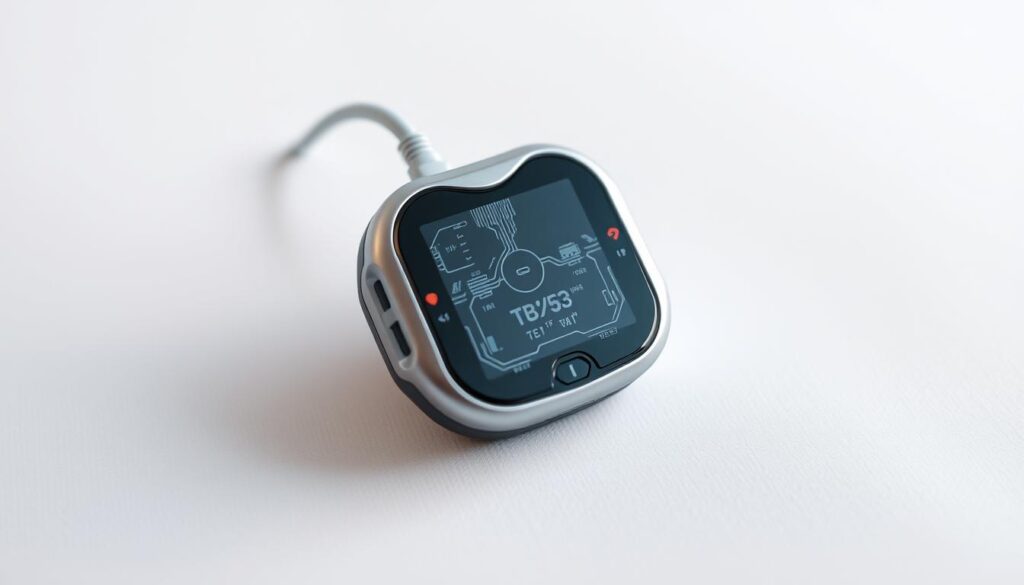
Understanding your pacemaker can boost your heart health journey. This small device treats arrhythmia and improves life quality. It’s a key tool for managing irregular heart rhythms1.
Modern heart rhythm tech has changed how we tackle cardiovascular issues. Your pacemaker quietly monitors and fixes heart rates when needed. It helps you lead an active, fulfilling life2.
Always carry your pacemaker ID card. It’s vital for emergencies and medical visits. These devices offer constant cardiac support while you go about your day1.
Key Takeaways
- Pacemakers help regulate heart rhythm for patients with cardiac challenges
- The device is a small, battery-powered technology for heart health
- Regular medical check-ups are essential for optimal pacemaker performance
- Patients can lead active lives with proper pacemaker management
- Emergency personnel should always be informed about your cardiac device
What is a Pacemaker and How Does It Work?
Pacemakers are smart devices that help hearts beat steadily. They step in when natural electrical signals in the heart falter. These devices have changed how doctors treat heart problems.
Understanding Pacemaker Basics
A pacemaker is a small device that watches and controls heart rhythms. About 3 million people worldwide use this life-changing tech3. The device has two main parts:
- A pulse generator (small metal computer)
- Leads (flexible wires connecting to heart chambers)
How Pacemakers Regulate Heart Rhythm
Pacemakers help when hearts beat too slowly, a condition called bradycardia. Doctors put in about 600,000 pacemakers each year for this problem3.
The device sends electrical signals to make the heart beat normally. This stops symptoms like feeling tired or dizzy3.
Types of Pacemakers
| Pacemaker Type | Number of Leads | Primary Use |
|---|---|---|
| Single Chamber | One lead | Right ventricle pacing4 |
| Dual Chamber | Two leads | Right atrium and ventricle pacing4 |
| Cardiac Resynchronization Therapy (CRT) | Three leads | Heart failure treatment4 |
New pacemakers include wireless devices and implantable cardioverter defibrillators. These offer extra heart protection. The battery usually lasts 6-7 years before needing a change5.
Your heart’s rhythm is precious, and pacemakers are designed to keep it steady and strong.
Who Needs a Pacemaker?
Managing your heart health may require understanding when a pacemaker is necessary. Heart conditions vary widely. Sometimes, your body needs extra support to keep a steady heartbeat.
Common Heart Conditions Requiring Pacemaker Implantation
Several heart conditions might show the need for a pacemaker in heart failure treatment. These include:
- Sick sinus syndrome, which can cause abnormal heart rhythms6
- Atrial fibrillation with irregular heart rates6
- Heart block preventing normal electrical signals6
Risk Factors for Heart Problems
Certain factors increase your chances of needing bradycardia or tachycardia therapy:
- Advanced age6
- Coronary heart disease
- Congenital heart conditions
- Previous heart attacks
Symptoms Indicating the Need for a Pacemaker
Look out for these warning signs that might suggest you need cardiac help:
| Symptom | Potential Indication |
|---|---|
| Persistent fatigue | Irregular heart rhythm |
| Unexplained dizziness | Potential heart block |
| Shortness of breath | Poor heart performance |
| Chest pain | Possible cardiac issues |
Modern pacemakers can adjust discharge rates based on your body’s specific needs7.
If you notice these symptoms, talk to your doctor. They can tell if a pacemaker might help your heart work better.
A pacemaker could improve your heart’s performance and overall quality of life. Your healthcare provider can guide you through the decision process.
The Pacemaker Implantation Process
A pacemaker implantation can boost your confidence about the cardiac device procedure. This medical intervention supports your heart rhythm and cardiovascular health. Your medical team will guide you through the process.
Preparing for Your Procedure
Your medical team will conduct thorough evaluations before the pacemaker insertion. You’ll need to complete pre-surgical tests and discuss your current medications with your doctor.
It’s important to fast for several hours before the procedure. Don’t forget to arrange transportation home after the surgery.
- Complete pre-surgical medical tests
- Discuss current medications with your doctor
- Fast for several hours before the procedure
- Arrange transportation home after surgery
Understanding the Implantation Procedure
Transvenous implantation is the most common method for pacemaker insertion. This procedure typically takes about an hour8. Your surgeon will use local anesthesia and sedation to ensure your comfort9.
The pacemaker is usually the size of a matchbox. It weighs between 20 to 50 grams. Your surgeon will place it under your skin near the collarbone9.
“Modern pacemakers are sophisticated on-demand devices that can adjust to your body’s changing needs.”
Recovery and Follow-Up Care
After the procedure, you’ll need to take special precautions. Doctors recommend avoiding strenuous activities for about 4 to 6 weeks9. Your healthcare provider will schedule regular check-ups to monitor your device.
These check-ups will ensure your cardiac device performance is optimal. They’re crucial for your heart health and overall well-being.
| Recovery Milestone | Recommended Action |
|---|---|
| First Week | Rest and limited movement |
| 2-4 Weeks | Light activities, avoid heavy lifting |
| 4-6 Weeks | Gradual return to normal activities |
Remember, each patient’s recovery is unique, so follow your doctor’s personalized guidance for optimal heart rhythm management.
Living with a Pacemaker
A pacemaker helps manage your heart health and supports heart failure treatment. It allows you to enjoy an active lifestyle. After initial healing, most patients can resume normal activities like driving and exercising10.
Remote monitoring has changed how pacemakers are managed. Your healthcare provider can track your device’s performance without frequent in-person visits11. Keep electronic devices at least six inches from your pacemaker to prevent interference10.
Magnets, metal detectors, and electric fences might affect your pacemaker’s operation11. Regular check-ups ensure your pacemaker works well. The device and its batteries can last around ten years1011.
Always carry your pacemaker ID card and consider wearing medical alert jewelry. Contact your doctor if you notice unusual symptoms or pulse rate changes10. Inform healthcare professionals about your pacemaker when traveling or having medical procedures.
Some treatments like MRI or radiation therapy may need special care11. With proper attention, you can live a full life supported by your pacemaker’s technology.
FAQ
What exactly is a pacemaker?
A pacemaker is a small device that regulates your heart rhythm. It’s implanted in your chest and powered by a battery. The device sends electrical signals to your heart when it detects irregular beats.
How do I know if I need a pacemaker?
You might need a pacemaker if you faint often, feel dizzy, or have trouble breathing. Chest pain, unexplained weight gain, or swollen legs could also be signs. Your doctor will run tests to see if you need one.
What happens during pacemaker implantation?
The procedure takes a few hours under local anesthesia with sedation. Doctors insert leads through a vein near your collarbone and guide them to your heart. They then place the pulse generator under your skin.
Most patients stay in the hospital for a day after the surgery. You’ll need to avoid heavy lifting for about a month during recovery.
How long does a pacemaker battery last?
Pacemaker batteries usually last between 5 to 15 years. You’ll need surgery to replace it when it’s depleted. Many modern pacemakers allow doctors to track battery life remotely.
Can I live a normal life with a pacemaker?
Yes! Most patients can resume normal activities, including travel. You’ll need to keep mobile phones away from the device and avoid strong magnetic fields. Always carry your pacemaker ID card and tell doctors about your device.
What types of pacemakers are available?
There are three main types of pacemakers: single chamber, dual chamber, and biventricular. Single chamber signals the lower right heart chamber. Dual chamber signals upper and lower right chambers.
Biventricular pacemakers help heart failure patients. Some modern pacemakers are leadless, with all parts in one unit placed directly in the heart.
How often will I need check-ups after getting a pacemaker?
You’ll have check-ups every 3-6 months at first. Many new pacemakers offer remote monitoring, reducing in-person visits. Your doctor will create a follow-up plan based on your needs.
Source Links
- Living With Your Pacemaker – https://www.heart.org/en/health-topics/arrhythmia/prevention–treatment-of-arrhythmia/living-with-your-pacemaker
- Pacemaker – Mayo Clinic – https://www.mayoclinic.org/tests-procedures/pacemaker/about/pac-20384689
- How pacemakers work – https://www.bostonscientific.com/en-US/patients-caregivers/device-support/pacemaker/how-pacemakers-work.html
- Pacemaker – https://www.heart.org/en/health-topics/arrhythmia/prevention–treatment-of-arrhythmia/pacemaker
- How does a pacemaker work? – https://www.bhf.org.uk/informationsupport/heart-matters-magazine/medical/how-does-a-pacemaker-work
- Pacemaker implantation – Why it’s performed – https://www.nhs.uk/conditions/pacemaker-implantation/why-its-done/
- Pacemaker – When you might need one – https://www2.hse.ie/conditions/pacemaker/
- Pacemaker implantation – How it’s performed – https://www.nhs.uk/conditions/pacemaker-implantation/what-happens/
- Pacemaker implantation – https://www.nhs.uk/conditions/pacemaker-implantation/
- Living with a Pacemaker or Implantable Cardioverter Defibrillator ICD – https://www.hopkinsmedicine.org/health/wellness-and-prevention/living-with-a-pacemaker-or-implantable-cardioverter-defibrillator-icd
- Now That I Have a Pacemaker, How Will Life Be Different? – https://www.orlandohealth.com/content-hub/now-that-i-have-a-pacemaker-how-will-life-be-different/

