
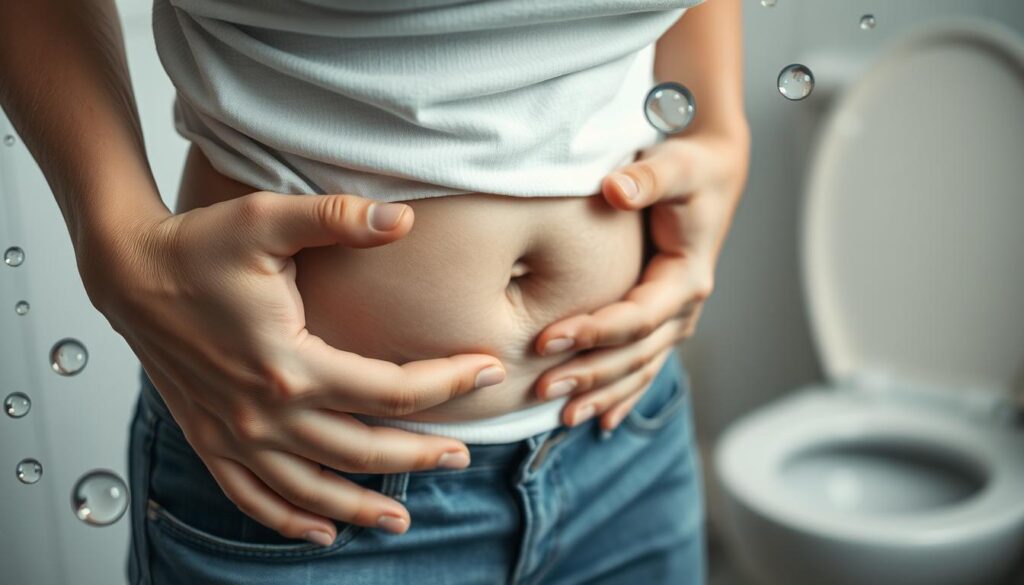
Painful urination, or dysuria, can be an uncomfortable experience. It’s a common issue affecting about 3% of adults over 40. Your urinary health matters, so understanding the causes is key to addressing this problem1.
Dysuria affects both men and women, but women face it more often2. Urinary Tract Infections (UTIs) are the main cause of painful urination. They impact millions of people yearly3.
In the U.S., acute cystitis leads to about 7 million outpatient visits annually3. Knowing what causes painful urination is crucial for proper treatment. Infections, kidney stones, and other conditions can trigger dysuria.
Your body uses this symptom to signal important health issues. Recognizing these signs early can prevent more serious problems2.
Key Takeaways
- Dysuria affects approximately 3% of adults over 40
- Women are more susceptible to painful urination
- UTIs are the most common cause of urinary pain
- Multiple factors can contribute to painful urination
- Early detection and medical consultation are crucial
Understanding Painful Urination (Dysuria)
Painful urination, or dysuria, can disrupt your daily life. It causes a burning sensation during urination. This discomfort may signal various health issues4.
What Defines Dysuria
Dysuria is pain or discomfort when urinating. It can stem from Urinary Tract Infections, Prostatitis, or Interstitial Cystitis5.
The pain may occur in different areas:
- Bladder region
- Urethra
- Perineal area
Common Symptoms and Warning Signs
Dysuria often comes with several warning signs:
- Frequent urination
- Cloudy or blood-tinged urine6
- Foul-smelling urine
- Pain in side and back
- Unusual genital discharge
Risk Factors and Prevalence
Some groups are more likely to experience painful urination. Women face higher risks than men4. Key risk factors include:
| Risk Group | Potential Risks |
|---|---|
| Women | Shorter urethra, higher UTI risk |
| Diabetics | Increased urinary tract complications |
| Older Adults | Higher prevalence of prostate and bladder issues |
“Understanding the root cause of painful urination is the first step towards effective treatment.”
If you have persistent or severe urinary pain, see a doctor. They can identify the cause and provide proper treatment5.
Common Causes of Urinary Pain and Discomfort
Painful urination can stem from various medical conditions affecting your urinary tract and health. Understanding these causes is vital for proper diagnosis and treatment7.
Urinary tract infections (UTIs) are the main reason for painful urination. They affect many people, especially those with vaginas8.
People with vaginas are more likely to experience UTIs9.
- Sexually Transmitted Diseases (STDs) like gonorrhea and chlamydia
- Kidney Stones causing significant urinary discomfort
- Urethritis from bacterial or viral infections
- Urinary Retention leading to painful urination
Several factors can lead to urinary pain. These include:
- Prostate infections in males
- Vaginal dryness and inflammation
- Chemical irritants from hygiene products
- Medication side effects
“Persistent urinary pain should never be ignored. Seek medical attention if symptoms continue for more than a day,” experts recommend7.
| Condition | Symptoms | Recommended Action |
|---|---|---|
| UTI | Burning sensation, frequent urination | Antibiotics |
| Kidney Stones | Sharp pain, blood in urine | Medical evaluation |
| STDs | Discharge, pain during urination | Specific treatment |
Remember, early detection and proper medical consultation can prevent complications. They also provide effective relief from urinary discomfort8.
Treatment Options and Medical Solutions
Painful urination requires understanding various treatment options. Your approach depends on the underlying cause. It could be a Bladder Infection, Urinary Tract Infection, or Pelvic Floor Dysfunction10.
Medical interventions target specific conditions causing your symptoms. For urinary tract infections, antibiotics are typically the main treatment11.
Prescription Medications
Your doctor might prescribe different medications based on your diagnosis:
- Antibiotics for bacterial infections10
- Antiviral medications for viral infections
- Pain relievers to manage discomfort
- Anti-inflammatory drugs for reducing inflammation
Lifestyle Modifications
Managing painful urination often requires lifestyle changes:
- Increase fluid intake to flush out bacteria
- Avoid irritating substances like caffeine and alcohol
- Practice good personal hygiene
- Urinate frequently to prevent bacterial buildup11
Natural Remedies
Some natural approaches can provide relief:
- Drinking cranberry juice
- Using warm compresses
- Taking over-the-counter pain medications
Remember, while home remedies can help, persistent symptoms require professional medical evaluation.
10Reference Source 111Reference Source 2
Conclusion
Painful urination affects many people. Symptoms can vary widely among individuals12. Early detection and proper medical care are key to maintaining good urinary health13.
Your body sends signals through various symptoms. These may include burning sensations, frequent urination, or unusual discharge14. Don’t ignore these signs, as they could point to different urological issues.
Seek medical advice if symptoms persist or worsen. Tests like urine analysis can reveal important information about your condition12. Treatment options range from antibiotics to lifestyle changes13.
Your urinary health is vital to your overall well-being. Stay informed and pay attention to your body’s signals. Don’t hesitate to consult a doctor if something feels off.
FAQ
What exactly is dysuria?
Dysuria is painful urination. It feels like burning or stinging when you pee. Various conditions can cause it, including UTIs, STDs, or kidney stones.
Who is most at risk for experiencing painful urination?
Females face higher risk due to their shorter urethra. This makes bacterial infection easier. Other risk factors include sexual activity, pregnancy, and diabetes.
Recent urinary procedures and a history of UTIs also increase risk. Men with prostate issues may be more susceptible too.
What are the most common causes of painful urination?
UTIs and STIs like herpes and chlamydia often cause dysuria. Kidney stones, prostatitis, and interstitial cystitis are other common culprits.
Chemical irritation from hygiene products can also lead to pain. Some medications and health conditions may contribute as well.
When should I see a doctor about painful urination?
Seek medical help if pain persists or you have a fever. Blood in urine or unusual discharge are also reasons to see a doctor.
Get immediate care if you have severe back or side pain. Difficulty urinating is another sign to consult a healthcare professional right away.
How are urinary tract infections typically treated?
Doctors usually prescribe antibiotics for UTIs. The type depends on the bacteria causing the infection. Finish all your medication, even if you feel better quickly.
Can lifestyle changes help prevent painful urination?
Yes, several habits can help prevent dysuria. Stay hydrated and pee after sex. Practice good hygiene and avoid irritating feminine products.
Wear breathable underwear for better air flow. Cut back on caffeine and alcohol to reduce irritation.
Are there any home remedies that can help with painful urination?
Drinking lots of water can help flush out bacteria. Over-the-counter pain relievers may ease discomfort. A warm compress on the pelvic area can soothe pain.
Unsweetened cranberry juice might help too. Avoid irritating substances. Remember, these don’t replace medical advice for severe symptoms.
Can sexually transmitted infections cause painful urination?
Yes, many STIs can cause dysuria. These include gonorrhea, chlamydia, herpes, and trichomoniasis. If you suspect an STI, get tested quickly.
Prompt treatment prevents complications and stops transmission. Don’t hesitate to seek medical help for any concerns.
Source Links
- Dysuria: Evaluation and Differential Diagnosis in Adults – https://www.aafp.org/pubs/afp/issues/2015/1101/p778.html
- Dysuria (Painful Urination): Symptoms, Causes, Treatment, Prevention – https://www.apollohospitals.com/health-library/painful-urination-dysuria-causes-and-prevention/
- Dysuria – StatPearls – NCBI Bookshelf – https://www.ncbi.nlm.nih.gov/books/NBK549918/
- Dysuria (Painful Urination): Treatment, Causes & Symptoms – https://my.clevelandclinic.org/health/symptoms/15176-dysuria-painful-urination
- Dysuria (Painful Urination): 8 Causes of Burning and Pain While Peeing – https://www.webmd.com/women/dysuria-causes-symptoms
- Painful urination (dysuria): 10 causes and treatment – https://www.medicalnewstoday.com/articles/323105
- Urination – painful – UF Health – https://ufhealth.org/conditions-and-treatments/urination-painful
- Painful Urination – familydoctor.org – https://familydoctor.org/urinary-tract-infections-causes-painful-urination/
- Causes and Diagnosis of Painful and Burning Urination (Dysuria) – https://www.verywellhealth.com/what-is-painful-urination-3300108
- What Causes Painful Urination? – https://www.healthline.com/health/urination-painful
- Painful Urination (Dysuria) – Causes, Diagnosis and Treatment – https://clarewellclinics.co.uk/sti/painful-urination/
- Breadcrumb – https://ugatl.com/services/prostatitis/dysuria/
- Dyuria(Burning Urine): Symptoms, Causes, Treatment and Home remedies. – https://www.carehospitals.com/symptoms/dysuria
- Dysuria (Painful Urination) Symptoms – Causes, Diagnosis & Treatment | Max Lab – https://www.maxlab.co.in/symptoms/dysuria-painful-urination

