
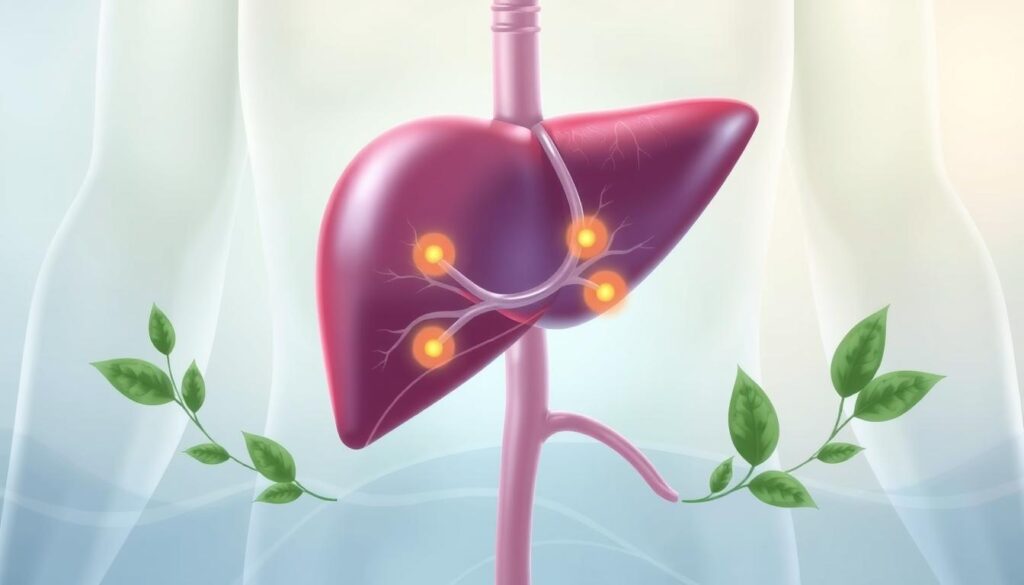
Primary Biliary Cholangitis (PBC) is a complex autoimmune liver disease. It mainly affects women, damaging bile ducts in the liver. This chronic condition can lead to serious health issues1.
Women are ten times more likely to develop PBC than men1. The disease typically progresses slowly, often over 5 to 20 years2.
Most people are diagnosed with PBC after age 40. Women between 30 and 60 face the highest risk12.
PBC starts quietly, with over half of patients showing no initial symptoms2. Without treatment, it can potentially lead to liver failure. Thankfully, modern medications can slow the disease’s progression1.
Key Takeaways
- PBC is a chronic autoimmune liver disease predominantly affecting women
- The disease develops slowly over 5-20 years
- Most patients are diagnosed after age 40
- Medication can help manage and slow disease progression
- Early detection is critical for better health outcomes
Understanding Primary Biliary Cholangitis and Its Impact on Liver Health
Primary biliary cholangitis (PBC) attacks your liver’s bile duct system. This autoimmune disease inflames the liver, leading to long-term health issues3.
How PBC Affects Your Bile Ducts
PBC damages your liver’s bile ducts, disrupting bile flow. This causes liver inflammation and scar tissue buildup. Over time, blocked ducts make it hard for your liver to work properly4.
Risk Factors and Demographics
Knowing who’s at risk for PBC helps spot potential problems. The disease mainly affects certain groups.
In the U.S., about 58 in 100,000 women get PBC. For men, it’s 15 in 100,0005.
Genetic and Environmental Contributors
PBC develops from a mix of genetic and environmental factors. Recent studies have found key genetic links.
“Understanding your genetic predisposition can be crucial in early detection and management of PBC.”
The exact cause of PBC isn’t known yet. However, genes play a big role in your chances of getting this liver disease3.
Early Signs, Symptoms, and Disease Progression
Primary Biliary Cholangitis (PBC) often starts without noticeable symptoms. You might experience subtle body changes that are easy to miss6. PBC typically develops slowly, with symptoms appearing 2 to 4.2 years after initial onset6.
https://www.youtube.com/watch?v=xa8cWv3IEag
- Chronic fatigue that impacts daily activities
- Persistent itching (pruritus) that can be challenging to manage
- Dry mouth and eyes
- Mild bone and joint discomfort
As PBC advances, more noticeable symptoms may appear. About 90% of cases affect women, usually between ages 40 and 607. AMA antibodies become a key diagnostic indicator during this stage7.
Later stages of PBC can bring serious complications. Jaundice may cause yellowing of the skin and eyes. Bone health becomes a concern, with 30% of patients developing osteopenia and 10% facing osteoporosis6.
“Understanding your body’s signals is crucial in managing PBC effectively.”
Surprisingly, less than half of PBC patients progress to cirrhosis7. With proper care and lifestyle changes, many can maintain a good quality of life.
Diagnosis and Treatment Options for PBC
Primary biliary cholangitis (PBC) diagnosis and treatment require a thorough approach. Proper diagnostic procedures and medication choices can greatly affect your health outcome8.
Blood Tests and Diagnostic Procedures
PBC diagnosis often starts with specific medical tests. The antimitochondrial antibody (AMA) test is key in identifying PBC9. Most PBC patients test positive for this antibody.
Doctors may suggest a liver biopsy to check liver damage. This procedure also helps confirm the diagnosis.
Medication Options and Their Effectiveness
Ursodeoxycholic acid (UDCA) is the main treatment for PBC. It can slow liver damage and improve liver function8.
For patients who don’t respond well to UDCA, obeticholic acid is an option9. Early treatment response may extend survival without needing a liver transplant.
- Early response to treatment can potentially extend survival without liver transplant
- Medications may help manage various symptoms
- Regular monitoring is essential for tracking disease progression
Lifestyle Modifications and Support
Managing PBC goes beyond taking medication. Your lifestyle choices can greatly support liver health:
- Maintain a balanced diet
- Exercise regularly to support bone density9
- Avoid alcohol consumption9
- Consider vitamin and mineral supplements9
Your commitment to treatment and lifestyle changes can significantly impact your PBC management.
In severe cases, a liver transplant might be needed. This applies to patients with advanced liver complications8.
Remember, each PBC journey is unique. Work closely with your healthcare provider to develop the most effective treatment plan for your specific needs.
Conclusion
Managing primary biliary cholangitis (PBC) is crucial for your liver health. You can take proactive steps to control your condition. Your healthcare team is vital in monitoring disease progression and developing personalized treatments1011.
Effective treatments have improved patient outcomes significantly. UDCA remains the primary FDA-approved therapy for PBC. New options like obeticholic acid can help slow disease progression10.
Early intervention and consistent medical care can impact your long-term health. Your commitment to lifestyle changes and regular check-ups is essential. Many people successfully manage PBC and lead fulfilling lives11.
PBC management is a team effort between you and your doctors. Stay informed about your treatment options. Maintain open communication with your healthcare providers. Focus on strategies that support your overall liver health1011.
FAQ
What is Primary Biliary Cholangitis (PBC)?
PBC is a chronic autoimmune liver disease. It destroys bile ducts within your liver, causing bile buildup and inflammation. This condition mainly affects women aged 45-65, slowly damaging the liver’s ability to process toxins.
Who is most at risk for developing PBC?
Middle-aged women face the highest risk, with 65 out of 100,000 affected in the US. Other risk factors include a family history of autoimmune diseases. Northern European descent and genetic predisposition also increase the chances of developing PBC.
What are the early symptoms of PBC?
Many people with PBC initially show no symptoms. The most common early signs are intense fatigue and persistent itching.
As the disease progresses, you might experience abdominal pain and dry mouth. Skin darkening and bone or muscle pain may also occur.
How is PBC diagnosed?
Diagnosis typically involves blood tests showing elevated liver enzymes, particularly alkaline phosphatase. The antimitochondrial antibody (AMA) test is positive in nearly all PBC cases.
Your doctor might recommend a liver biopsy to confirm the diagnosis. This test also helps assess disease progression.
What treatments are available for PBC?
The primary treatment is ursodeoxycholic acid (UDCA), which can slow disease progression. For non-responders, obeticholic acid (Ocaliva) may be prescribed.
Treatment also involves managing symptoms like itching and addressing potential complications. Lifestyle modifications, such as maintaining a healthy diet and avoiding alcohol, are crucial.
Can PBC be cured?
There is currently no cure for PBC. However, early diagnosis and proper management can help control the disease.
Many patients maintain a good quality of life with treatment. In advanced stages, a liver transplant might become necessary.
What complications can arise from untreated PBC?
Untreated PBC can progress to cirrhosis, potentially leading to liver failure. Complications may include jaundice and fluid accumulation in the abdomen.
Enlarged veins in the esophagus and osteoporosis can also occur. There’s an increased risk of liver cancer in advanced stages.
How can I manage PBC in my daily life?
Work closely with your healthcare provider to monitor your condition. Focus on a healthy lifestyle including a balanced diet and regular exercise.
Manage stress and avoid alcohol. Take prescribed medications consistently and attend regular check-ups to track your liver function.
Source Links
- Primary Biliary Cholangitis: What It Is, Symptoms, Treatment – https://my.clevelandclinic.org/health/diseases/17715-primary-biliary-cholangitis-pbc
- Primary biliary cholangitis – Symptoms and causes – https://www.mayoclinic.org/diseases-conditions/primary-biliary-cholangitis/symptoms-causes/syc-20376874
- Current understanding of primary biliary cholangitis – https://pmc.ncbi.nlm.nih.gov/articles/PMC7820210/
- Understanding the impact of primary biliary cholangitis on the body – Mayo Clinic Press – https://mcpress.mayoclinic.org/living-well/understanding-the-impact-of-primary-biliary-cholangitis-on-the-body/
- Definition & Facts of Primary Biliary Cholangitis (Primary Biliary Cirrhosis) – NIDDK – https://www.niddk.nih.gov/health-information/liver-disease/primary-biliary-cholangitis/definition-facts
- Primary Biliary Cholangitis (Primary Biliary Cirrhosis) – https://www.healthline.com/health/primary-biliary-cirrhosis
- Primary Biliary Cholangitis (formerly Primary Biliary Cirrhosis) – Canadian Liver Foundation – https://www.liver.ca/patients-caregivers/liver-diseases/primary-biliary-cholangitis/
- Treatment of Primary Biliary Cholangitis (Primary Biliary Cirrhosis) – NIDDK – https://www.niddk.nih.gov/health-information/liver-disease/primary-biliary-cholangitis/treatment
- Primary biliary cholangitis – Diagnosis and treatment – https://www.mayoclinic.org/diseases-conditions/primary-biliary-cholangitis/diagnosis-treatment/drc-20376880
- Primary Biliary Cholangitis: Medical and Specialty Pharmacy Management Update – PubMed – https://pubmed.ncbi.nlm.nih.gov/27700211/
- Primary biliary cholangitis, a rising health burden – https://www.explorationpub.com/Journals/ei/Article/1003165

